See the Truth What Happened at Theranos
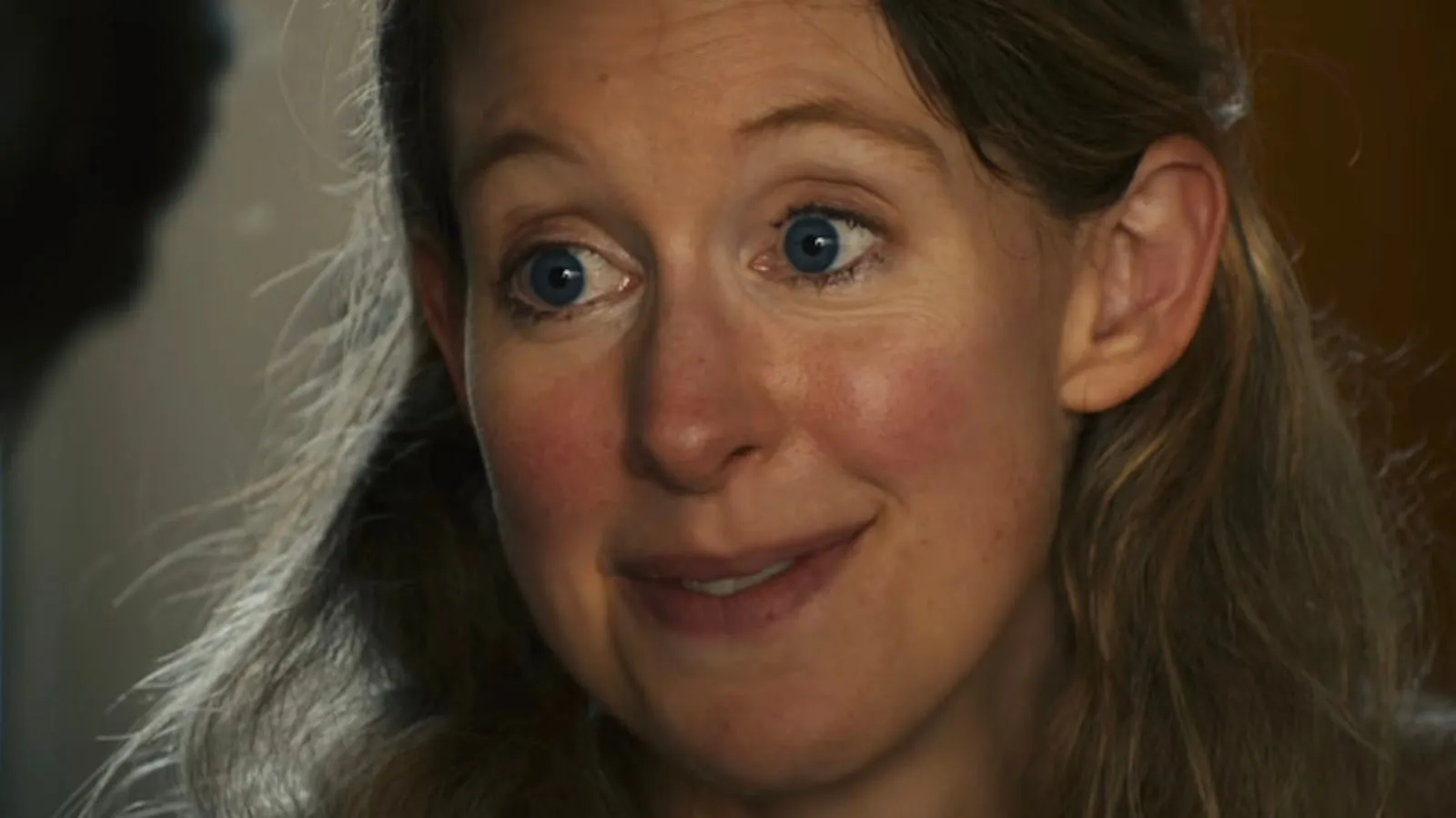
Before you watch You Can See Everything, here’s a primer of the events that led to Elizabeth Holmes and Theranos‘ downfall in the first place.
The story of Theranos, the blood-testing startup founded by Elizabeth Holmes, is more than just a cautionary tale about fraud; it is a high-wire drama of ambition, technological overreach, and the staggering consequences of broken promises. It began with a vision so grand—the promise of democratizing healthcare through revolutionary, minute blood tests—that it captivated investors and the public alike, painting a picture of a future where complex diagnostics were instantly accessible.
At the heart of the company was the promise of a small, portable device capable of running hundreds of complex tests on a single drop of blood. This was supposed to be the key to unlocking massive healthcare efficiencies, moving the industry away from cumbersome, expensive lab procedures and toward a seamless, digital future. The promise was simple: technology would revolutionize how we diagnose disease, making accurate testing readily available to everyone.
But the reality, as the investigation revealed, was far more complex and far less photogenic. Behind the sleek interface and the dazzling presentations lay a foundation built on questionable science and, ultimately, systemic deception. The core technology that Theranos claimed existed—the proprietary devices—was severely flawed, unreliable, and often circumvented the very testing protocols it claimed to follow.
As the company scaled its operations, the pressure to maintain the facade grew intense. Holmes and her inner circle engaged in a relentless campaign of narrative control, employing elaborate strategies to hide the technological failures and inflate the company’s valuation. This period was marked by escalating secrecy, internal conflicts, and a deep-seated drive to maintain an image of unstoppable progress, regardless of the underlying truth.
The eventual unraveling was not a sudden collapse but a slow, agonizing exposure of inconsistencies. As scrutiny intensified and internal whistleblowers began to speak out, the discrepancies between the operational reality and the public narrative became undeniable. The foundation of the enterprise, built on the premise that they were delivering accurate results, began to crumble under the weight of verifiable lies.
When the truth finally emerged, it exposed a dangerous disconnect between the dazzling pitch and the messy reality of science and business. The ensuing legal and financial fallout underscored a critical lesson: even the most ambitious technological ventures require rigorous honesty and ethical transparency. The downfall of Theranos served as a stark reminder that innovation, divorced from factual accuracy, is not only morally bankrupt but ultimately unsustainable.
Buy on Amazon
Credit