Send Klara and the Sun review back to the factory
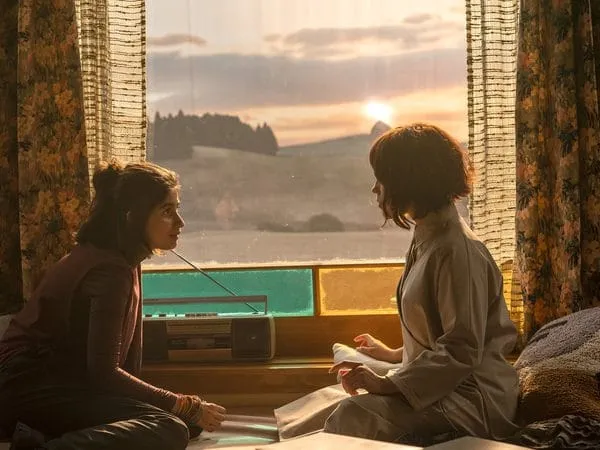
In a world increasingly obsessed with artificial intelligence, we find ourselves standing at a strange juncture. As the relentless onslaught of AI clogs our feeds and sparks anxieties about our future, some turn to speculative fiction to process these feelings. Enter Taika Waititi with Klara and the Sun, a feature that takes these grand, existential questions and wraps them in a delightfully bizarre, sunny package.
This is a story set in a peculiar future where the world has already navigated the ashes of World War Three, the internet has vanished, and human solace is found not in connection, but in humanoid artificial friends. The film paints a picture of a dystopia where the focus shifts from global conflict to deeply personal, almost whimsical, relationships among the people left behind.
At the heart of this strange new world is Klara, a B1 model artificial friend who enters the story as a wide-eyed, almost sales-item presence. She navigates this new reality, constantly seeking meaning, and forms an unexpected bond with Josie, a girl who has undergone a surgical process to become an instant genius.
Klara’s journey is framed by the peculiar dynamics of her new existence. She observes the world with an almost spiritual yearning, often looking up at the rising sun as if seeking a divine answer. While she is a marvel of modern technology, the film explores what it means to be truly seen, especially within a fractured family unit.
The narrative delves into the complexities of human connection, particularly through the lens of Klara’s role in the broken-down family dynamic of Josie. We see the strained relationships, the lingering shadows of loss, and the strange, sometimes unsettling, impulses that drive characters like mother Chrissy.
However, the film’s real charm lies in how Waititi handles these profound topics. While the underlying themes touch upon the nature of love and human relations—subjects that Kazuo Ishiguro explored with ethereal seriousness—Waititi offers a distinctly more jocular approach. This results in a story that dances between genuine emotional weight and a jolt of silly humor, often prioritizing comic relief over deep philosophical gravitas.
Visually, the film is a vibrant, almost blinding spectacle, bathed in sparkling pastels and liberal doses of lens flare. The aesthetic is a fascinating blend of the uncanny glow often seen in classic science fiction and the lighthearted visual language of modern pop culture. It’s a cinematic mess of sparkle and glitches, capturing the contemporary anxiety of advanced technology through a thoroughly charming, if sometimes fuzzy, lens.
Buy on Amazon
Credit