Sleeping with the Enemy Handmaiden
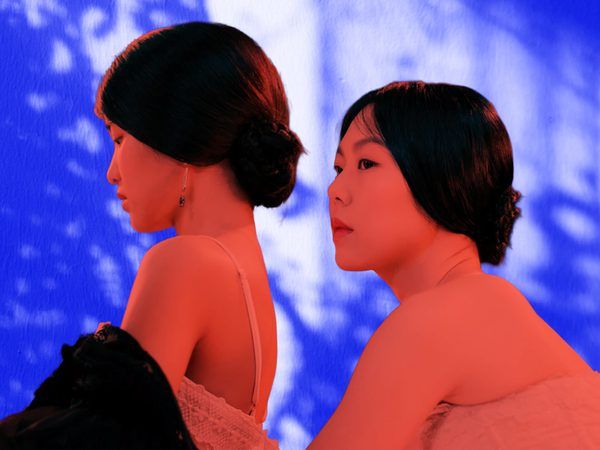
When a film dazzles with forbidden desire, it often hides a deeper, more subversive truth. Park Chan-wook’s The Handmaiden is a masterclass in this duality, transforming a slick, opulent erotic thriller into a searing examination of colonialism, identity, and suppressed desire.
At first glance, the film is an intoxicating journey of subterfuge. We follow Sook-hee, a Korean pickpocket, and Hideko, a wealthy Japanese heiress, as they navigate a dangerous game of seduction within a sprawling estate. Their illicit entanglement, marked by intense physical intimacy, provides a breathless ride built on deceit and escalating passion.
But beneath the sumptuous set designs and the feverish glances lies a potent historical narrative. Set in the shadow of 1930s Korea, the story operates within a time of profound suffering and colonial humiliation. The elaborate plotting of theft and seduction becomes a sophisticated metaphor for the fractured reality of occupation, where power dynamics are brutally enforced.
The film’s visual world itself is a political statement. The stunning, baroque architecture of the manor—a jarring fusion of English and Japanese styles—is not merely aesthetic; it is a reflection of the imperial ambitions that built and maintained the colonial structure. The labyrinthine corridors and towering spaces serve as a grotesque mirror to the power held by those who profited from the era of empire.
This setting highlights the complex, contradictory experience of the colonized. While Koreans were forced to adopt Japanese customs and names, the imperial order insisted on maintaining a rigid ethnic separation. Yet, the intimate proximity of the two cultures irrevocably blurred these boundaries. Characters like Kouzuki, who successfully embodied the oppressor by marrying into the Japanese aristocracy, demonstrate how identity can be fluid and negotiated under colonial rule.
The film further complicates the notion of fixed identity when the focus shifts to the relationship between the two women. As Sook-hee and Hideko engage in physical intimacy, the visual doubling and the shared sensuality subvert tired nationalistic binaries. Their passionate embrace and unabashed lesbian ecstasy dismantle the imposed hierarchy, suggesting that the most fundamental difference between coloniser and colonised is ultimately porous.
By placing lesbian desire at the center of this exchange, Park Chan-wook pushes beyond the expected narrative of violence. Instead of depicting the anticipated conflict between coloniser and colonised, the film allows sensuality to take precedence, transforming the sexual encounter into a radical act of liberation. It is a celebration of desire that refuses to be contained by the rigid, often violent, expectations of history.
Ultimately, The Handmaiden is remarkable for its stealth. It manages to smuggle profound political critique into its visual pleasures. Every decadent scene, every shimmering costume, and every moment of shared ecstasy invites us to look closer, revealing the knotty complexities of history and the human need for freedom.
Buy on Amazon
Credit
