Sorkin explains why ‘Social Reckoning’ isn’t red-blue
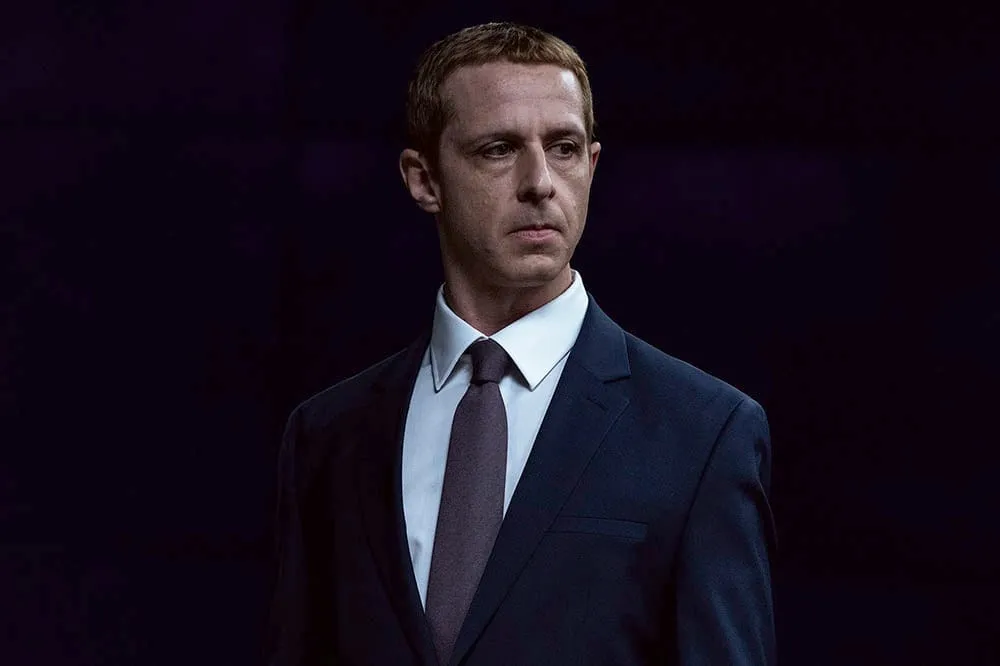
As the release date for Aaron Sorkin’s upcoming film The Social Reckoning approaches on October 9th, the conversation has shifted from anticipation of the narrative to a deeper exploration of the creative process. Director Sorkin is offering a candid look behind the scenes, addressing the film’s much-discussed reshoots, the insights gained from limited test screenings, and the deliberate choices made regarding the central political tension.
In a recent conversation with Vanity Fair, Sorkin opened up about the complexities of adapting real-world events into compelling cinematic narratives. He tackled the strategic decision to keep the focus nuanced rather than overtly political, a choice that has generated significant discussion among critics and viewers alike.
A particular point of focus was the omission of explicit references to specific political figures, despite the film’s grounding in the context of events like the January 6th riot. Sorkin explained that this narrative approach was essential to the film’s core emotional impact. He argued that embedding the gravity of the events in the character arcs and systemic pressures, rather than relying on direct commentary, allowed the story to resonate with a broader audience while maintaining thematic integrity.
The director elaborated on how the material was refined during the development stages. The process of reshoots and limited test screenings proved invaluable in fine-tuning the pacing and emotional weight of the script. These sessions allowed Sorkin to calibrate the tension, ensuring that the political landscape served the human drama at the heart of The Social Reckoning.
By addressing these creative decisions publicly, Sorkin is inviting audiences to reconsider how history is filtered through the lens of fiction. It is a testament to the idea that powerful storytelling lies not just in what is shown, but in the careful, intentional selection of what is left unsaid.
Buy on Amazon
Credit