Spider-Man Almost Had a British Peter
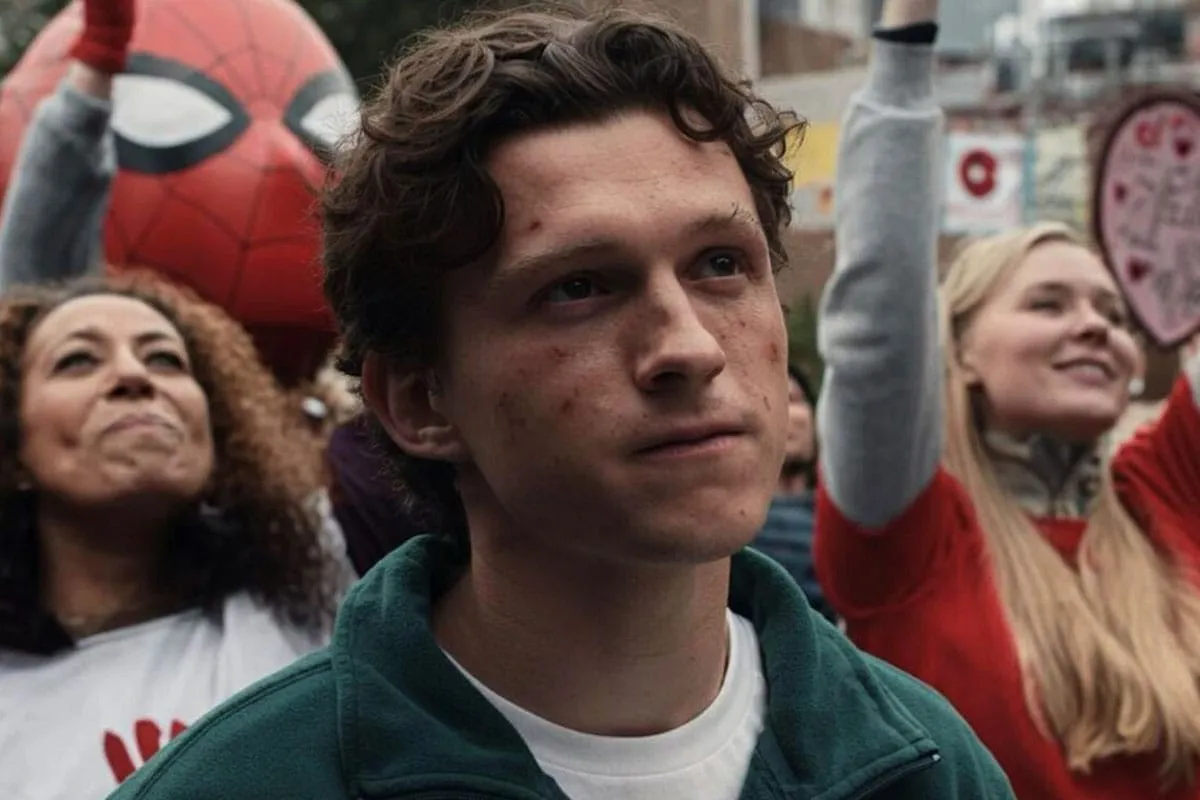
When a major cinematic franchise gets a fresh coat of paint, the creative process is often a whirlwind of possibility. The making of Spider-Man: Brand New Day saw a shift in directorial leadership with Destin Daniel Cretton taking the reins from Jon Watts, but the core creative DNA of the story remained firmly in the hands of writers Chris McKenna and Erik Sommers.
These two writers remain the sole credited authors on the film, even though other major creative figures contributed significantly during development. While Justin Kuritzkes handled some major uncredited rewrites on set, McKenna and Sommers managed the overall narrative vision, making them the anchors of the production.
Beyond the final script, the process was anything but linear. As the team worked, McKenna and Sommers shared fascinating insights into the ideas that were floated, explored, and ultimately discarded. These discussions reveal a universe of alternative timelines and character concepts that almost found their way to the screen.
For instance, early script drafts explored a highly specific, playful scenario: instead of Peter Parker introducing himself to MJ (Zendaya) as himself, the idea was to have him present as a British man named Ben Reilly. This concept hinted at a delightful sort of narrative play—a sort of “Victor/Victoria” situation, focused less on gender and more on the charming contrast of accents.
The reason for this was simple: it would have allowed Tom Holland to fully embrace his natural accent, even as the scene would have required a subtle, humorous adjustment, adding another layer of character depth to Peter Parker.
The creative exploration extended far beyond character dynamics. The writers and directors engaged in a lively brainstorming session, throwing out concepts for villains that were eventually shelved, including exciting figures like The Spot, Kraven, the Chameleon, and the Shadow King.
They also wrestled with the physical action sequences. The inspiration for the spectacular body-jumping scenes, for example, stemmed from a desire to explore a darker concept: what if someone was literally taking over another person? This led to the inspiration of films like “Fallen”, setting a tone of possession and transformation for the action choreography.
Perhaps the most ambitious ideas, however, pointed toward radically different settings and storylines. There was a concept where Peter Parker was completely disillusioned with New York, relocating to Southeast Asia to tackle local gangs—an idea that eventually had to be set aside.
The development process itself proved to be incredibly fluid, ultimately proving that the project went in “a hundred different directions” before settling into its final form. This willingness to explore divergent paths ensured that the final film was rich with potential, even if some of those spectacular ideas remained just that—ideas.
Buy on Amazon
Credit