Star Abrams on the Resident Evil ending reaction
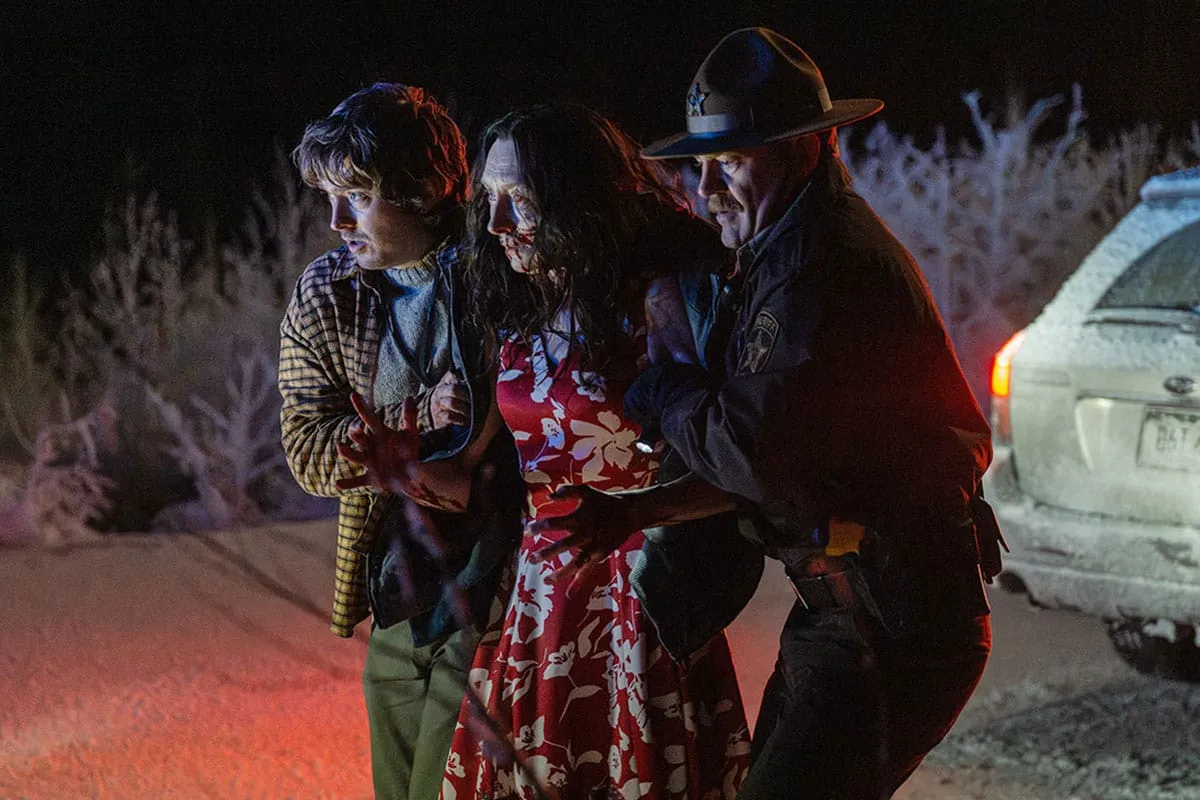
Zach Cregger’s latest foray into the horror genre, Resident Evil, has landed with a distinct, if sometimes jarring, tone. While critics generally agree that the film is a compelling experience, one recurring theme emerges across all reviews: the film’s most potent and gripping moments are tightly concentrated within its opening hour.
The movie kicks off with a relentless pace, immediately plunging the audience into a non-stop ride that establishes a compelling atmosphere right from the first scene. This intense momentum sets the stage for the narrative to unfold, though the experience shifts dramatically as the film progresses. The narrative navigates a fascinating tightrope walk between seriously dark and twisted sequences and moments of outright, wild comedy.
This tonal disparity is a defining characteristic of the film, and for some viewers, the abrupt shifts can be genuinely jarring. Yet, this juxtaposition seems integral to the experience, allowing the film to explore the chaotic nature of survival by balancing extreme terror with unexpected humor.
The story builds steadily, eventually leading to an ending that shifts into a notably darker and more tragic direction. This choice has generated significant debate among viewers, positioning the conclusion as a moment of high-stakes emotional reckoning.
The impact of this decision was openly discussed by actor Austin Abrams, who shared his appreciation for Cregger’s creative risks. Abrams noted his excitement that Cregger opted for a gutsy conclusion:
“I’ve been living with it for a while now, but I thought it was crazy and shocking when I first read it. I love that Zach takes those risks. You follow this one guy the whole time, so hopefully you’re enjoying watching him and rooting for him. Then to have him not make it is really risky and gutsy, which is what I love about all of Zach’s work. So I was surprised by it, but I also loved that he would take that chance.
With a lot of movies nowadays, they’re a little too afraid to do something like that – to kill off a character you really like. And if they do, the blow is softened in some way so it doesn’t hurt too much. Whereas a lot of older films don’t do that; they just rip your heart out. We’re here to feel, man. We’re here to go through something. So I’m just appreciative that Zach is willing to take a risk like that.”
The film’s commercial performance reflected this attention-grabbing nature. Resident Evil achieved impressive opening weekend numbers, grossing just over $61 million domestically and nearly $110 million worldwide. Crucially, the domestic earnings for this installment outgrew the total gross of every previous Resident Evil film, proving that the combination of high-stakes horror and unique storytelling resonated strongly with audiences.
Buy on Amazon
Credit