
Sunny Dancer review sunk by humour
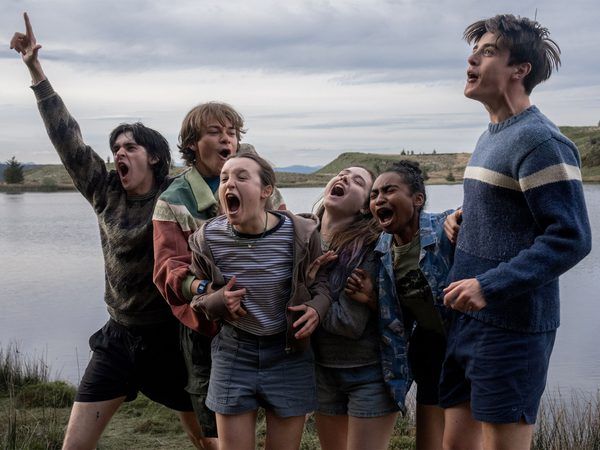
Sometimes, when you try to tackle deeply serious subjects like cancer and grief with lighthearted optimism, you risk falling into the trap of sentimentality. This is the delicate tightrope George Jaques attempts to walk in his feature, and while the intentions are undoubtedly noble, the result often lands somewhere between heartwarming and hopelessly cliché.
The film centers on Bella Ramsey’s character, Ivy, who has navigated the shock of a cancer diagnosis and chemotherapy. Seeking a reprieve from the heavy reality, her family decides to send her to a therapeutic camp, hoping to find empathy among peers who have walked similar paths. The promise is that this summer will be a space for healing and genuine connection.
But what unfolds is less a journey of profound emotional reckoning and more a familiar rite of passage dressed up in cheerful, often groan-worthy, teen drama tropes. We follow Ivy as she navigates camp alongside a diverse group of young people—including the spirited Ella, the edgy Ralph, the outspoken Maisie, and the lovable Archie—watching them strive for belonging amidst their shared vulnerability.
The narrative cleverly balances these earnest explorations with a sprinkling of absurd humour. The script throws in groan-worthy Christmas cracker jokes and copious wellbeing platitudes, attempting to soften the stark reality of surviving serious illness. Yet, this effort often clashes awkwardly with the weight of the subject matter, making the experience feel more like a warmed-over episode of popular teen television than a genuinely impactful cinematic statement.
The true emotional anchor of the film emerges in quieter moments, particularly Ivy’s interactions with the camp psychologist. These scenes offer a much-needed shift, forcing a serious conversation about the realities of living with and surviving cancer without resorting to facile humour. It is in these therapeutic dialogues that the film manages to achieve genuine depth.
As the story progresses, the focus subtly shifts toward Ivy’s budding relationship with Jake, who is also bravely fighting for his health. Their courtship becomes less about youthful antics and more a stern lesson in acceptance and the complex process of processing grief together.
While Jaques clearly approaches the material without cynicism, there is a tension between his laudable desire to offer hope and the film’s tendency toward mawkish sentiment. Ultimately, the film stands as a moving portrait of resilience, but it reminds us that treating profound human experience with easy optimism requires far more nuance than simple sugar-frosting.
Buy on Amazon
Credit