Super Nature: Grainy Intimate Delight review
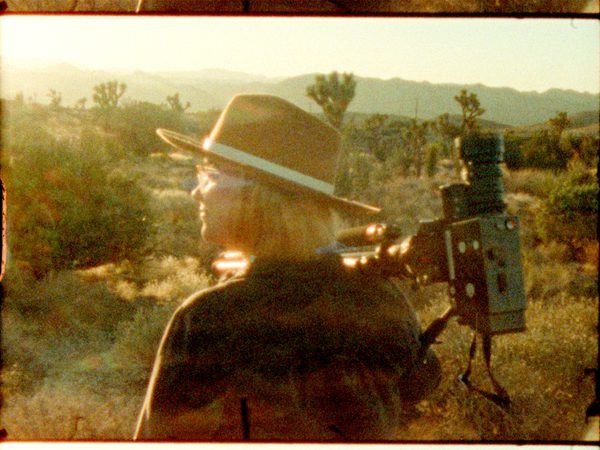
In an age saturated with crisp, flawless 8k footage, why turn to the charmingly rudimentary Super-8 film format? Director and editor Ed Sayers has answered the question by stitching together a breathtaking, global vision of the natural world using the grain and intimacy of old celluloid.
This is not just a film; it is a collective dream. Sayers initiated a remarkable project where he gathered contributions from 40 amateur filmmakers spread across 25 different countries, inviting them to capture their local landscapes, from the seemingly insignificant scurrying of desert quail in Joshua Tree to the majestic presence of the world’s last two northern white rhinos in Kenya.
The resulting documentary is a sweeping tapestry of global flora and fauna, capturing everything from feral reindeer in Norway and sea dragons in Tasmania to the frightening visible effects of climate change, including retreating glaciers in Italy and raging wildfires in France.
The power of this vision lies in its shared, personal perspective. Each piece of footage, shot with the immediate, wide-angle lens of Super-8, carries an undeniable sense of proximity. It feels less like a grand, distant observation and more like a secret shared between the cameraman and the creature itself.
Sayers found inspiration in the format itself. Having fallen in love with Super-8 as a child, he recalls watching his old footage and feeling as though someone had painted your memories. This inherent grain and texture become the film’s signature, transforming the raw footage into a deeply personal and immersive portrait.
There is a unique aesthetic advantage to the format. The necessity of physical film cartridges, running out every two minutes, demanded a certain patience and care from the filmmakers. This limitation proved to be a surprising boon, fostering a sense of genuine observation rather than hurried spectacle.
Furthermore, the absence of audio during filming proved liberating. As one participant noted, the lack of background chatter was a relief, allowing the focus to remain solely on the visual experience. It strips away the noise and demands that the viewer simply look up at the incredible creatures around us.
While some moments in the narrative offer gentle, affectionate commentary, the overall tone remains immersive and deeply moving. The film serves as an effective love letter to the natural world, reminding us of our profound connection to living things and the necessity of proper observation.
Credit