Ted Cruz blocks Senators’ No Fakes Act
The fight to regulate the rapidly advancing world of artificial intelligence has just hit a new, high-stakes turning point. A critical piece of legislation aimed at curbing the proliferation of unauthorized AI deepfakes stalled in the Senate this week, highlighting the complex and deeply divided debate surrounding digital identity and free expression.
The proposed bill, known as the No Fakes Act, was designed to establish new boundaries for the use of synthetic media, aiming to protect individuals from malicious or unauthorized deepfake content. The goal is clear: to manage the technological fallout that allows sophisticated AI to create realistic, yet false, images and videos.
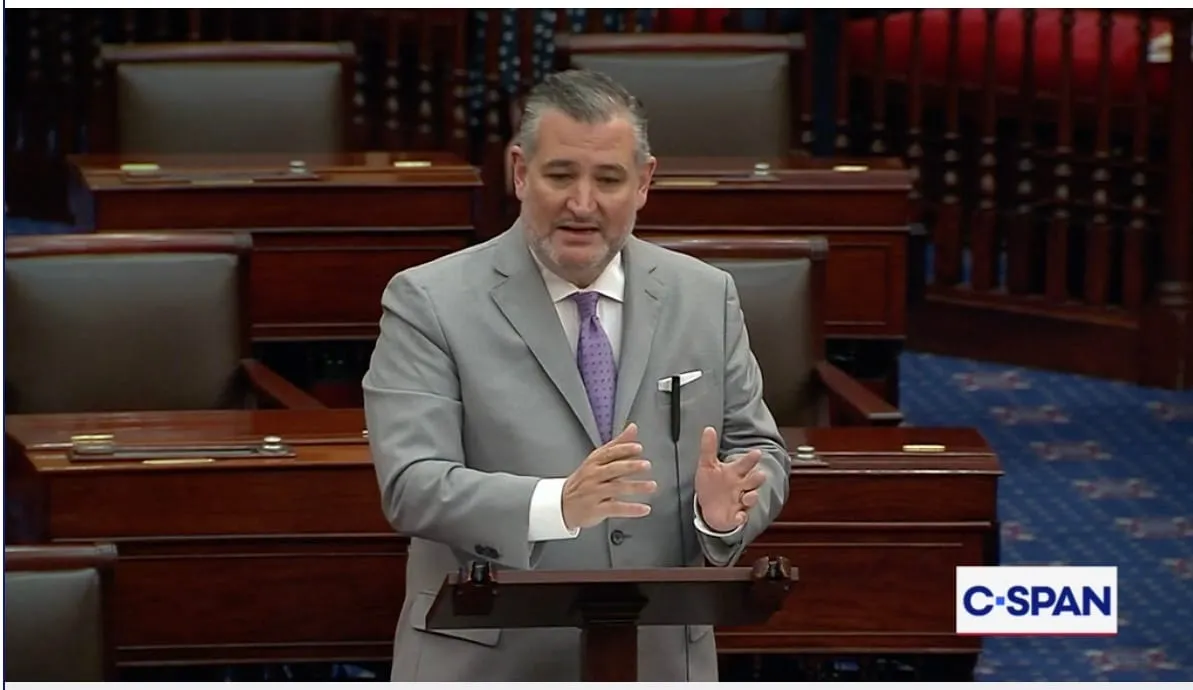
However, the bill faced an immediate and significant roadblock during its Senate review. Senator Ted Cruz (R-TX) successfully blocked the legislation on Wednesday, arguing that the proposed rules lacked adequate exceptions necessary for protecting satirical and political commentary.
Senator Cruz’s objection centered on the delicate balance between regulating harmful synthetic media and preserving the fundamental right to free speech. He contended that overly restrictive legislation could inadvertently stifle legitimate forms of political expression and creative satire that rely on manipulating images and narratives for comedic or critical effect.
The core of the dispute lay in defining the line between malicious deception and protected commentary. Proponents of the bill emphasized the risks associated with deepfakes—the potential for reputational damage, political manipulation, and the erosion of public trust—arguing that some level of accountability was essential in the digital age.
Conversely, those opposing the bill worried that imposing strict liability would create a chilling effect, forcing creators and commentators to self-censor their work out of fear of legal repercussions. The debate quickly evolved into a philosophical discussion about where society should draw the line regarding digital representation and expression.
Ultimately, the Senate action underscores a broader tension: how do we harness the power of technology to mitigate harm without sacrificing the freedoms that define democratic discourse? As AI continues to evolve, lawmakers are grappling with the challenge of creating a regulatory framework that is both protective and free. The conversation about the future of digital identity is clearly just beginning.
Buy on Amazon
Credit