
Teenage Sex and Death at Camp Miasma Review
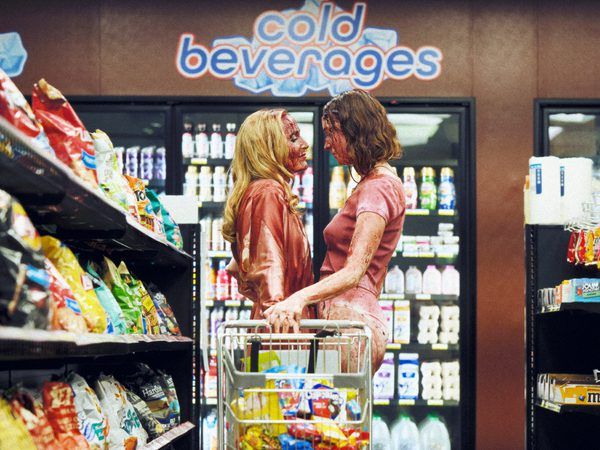
The Freaks and Fluids: How a Horror Film Became a Love Story
In a landscape often defined by rigid genre boundaries, Jane Schoenbrun’s latest feature, Teenage Sex and Death at Camp Miasma, doesn’t just play with horror—it redefines it. It’s a smart, sexy ode to the teen slasher genre, masterfully weaving together the thrills of camp fright with the complexities of queer identity and blossoming romance.
The film centers on Kris, a director who parachutes into the world of slasher franchises to resurrect the legacy of Camp Miasma. But this mission quickly shifts from a creative endeavor into a profound personal pilgrimage. Seeking the elusive star Billy Presley, who has retreated from the spotlight, Kris embarks on a journey across the rugged Pacific Northwest, drawn into a fate far more compelling than a simple reboot.
What begins as a creative folly—trying to coax a reclusive legend into making a cameo—unfolds into something far sweeter, stranger, and intensely sensual. In the snow-bound wilderness of the camp ground, Kris and Billy find themselves intertwined, their separate worlds dissolving into a shared space defined by shared secrets and burgeoning affection.
Through breathy confessionals, the film dives deep into the emotional core of the relationship. Kris reveals that sex has always been a form of astral projection, and she grapples with a sense of self outside the cinematic identities that have defined her life. This emotional vulnerability mirrors the film’s visual feast: fake blood arcs in violent red fountains, while the relationship between the two leads is painted in the rich crimson of Kensington Gore—a testament to raw emotion and undeniable heart.
The film cleverly uses its genre-bending nature to explore potent societal questions. It acknowledges the frustrations of Hollywood’s obsession with sequels and reboots, while simultaneously celebrating the cathartic release of horror. The comedy—a winking blend of dread and absurdity, where punchlines deliver catharsis—serves as a perfect mirror for the struggle of self-identification in a world that demands strict binaries.
The casting is equally brilliant. Gillian Anderson’s playful performance, blending Norma Desmond and Norma Jean, is perfectly matched by Hannah Einbinder’s sharp, endearing portrayal of the ingénue. They navigate the film’s labyrinthine themes with effortless charisma, reminding the audience that true cinematic genius defies easy categorization.
Ultimately, Teenage Sex and Death at Camp Miasma transcends the simple horror equation. It functions as a powerful reminder that the misfit shall inherit the earth. It is a love story—a hand reaching out to the lonely kid who catches it at their most lost moment—a vibrant assertion that the freak shall inherit the earth, and fuck anyone who tries to tell you otherwise.
Buy on Amazon
Credit