Ten years of mistakes: Fleabag’s legacy
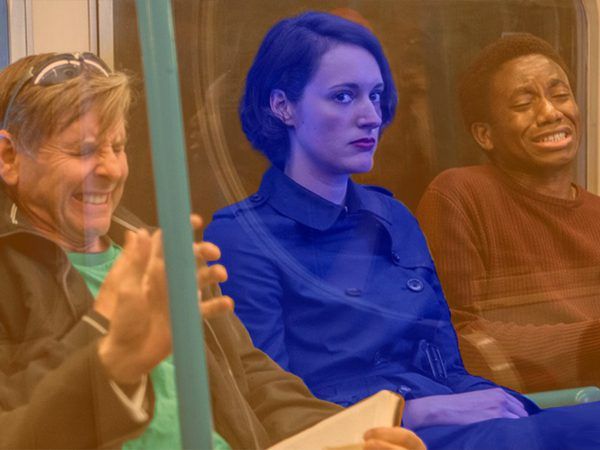
A decade after Fleabag first captivated audiences, we are still reckoning with its brilliant, messy exploration of human error. It’s a masterclass in tragicomedy, using the sharp edges of laughter to expose the profound ache of making mistakes—and perhaps, learning how to forgive them.
The show began with a perfectly timed joke that immediately burrowed into the viewer’s mind: a simple interaction between Fleabag and a bank manager. When nervous about a loan for her quirky café, Fleabag’s accidental flash results in a deadpan comment from the manager about how such things won’t get you very far. This moment perfectly encapsulates the show’s brilliance—combining visual surprise with delicious wit that sparks both schadenfreude and genuine empathy.
But Fleabag was never just a collection of sitcom hijinks. It dared to delve into deeper, more raw territory. The narrative used these mishaps not merely for laughs, but as a lens through which to examine the intricate relationship between grief, loneliness, and female identity. The character’s constant missteps—her sexual appetites, her passive-aggressive conflicts, and her self-destructive behaviors—served as a painful mirror reflecting the complex reality of being human.
The show carved out a unique space in television by presenting an aspirational feminist character who was simultaneously salacious and deeply flawed. This complexity positioned Fleabag as an outlier, moving beyond traditional portrayals of women to explore multidimensional characters grappling with the ambiguities of life.
As the series unfolded, the accumulation of these errors hinted at something much darker beneath the surface compulsion for theatrics: a masochistic streak driven by profound self-loathing. This journey culminated in some of the most emotionally shattering revelations on television. Amidst exploring her grief over a tragic loss, Fleabag faced her greatest mistake—a painful entanglement that led to devastating consequences.
The emotional weight of this realization anchored the entire experience. While the show presented chaos and irony, it ultimately offered a powerful message: that even when mistakes feel unforgivable, there is a quiet, sometimes agonizing, possibility of grace. The final moments left viewers with the enduring thought that while some errors cannot be erased, they are inextricably woven into the tapestry of being hilariously, tragically human.
Buy on Amazon
Credit
