Tender Loving Care First Look Visuals
Mike Leigh’s latest cinematic offering, Tender Loving Care, is more than just a film; it’s a poignant meditation on the messy, often unseen reality of caring for others. It captures the delicate balance between the intensely private struggles of domestic life and the stark, systemic pressures facing those in vulnerable positions.
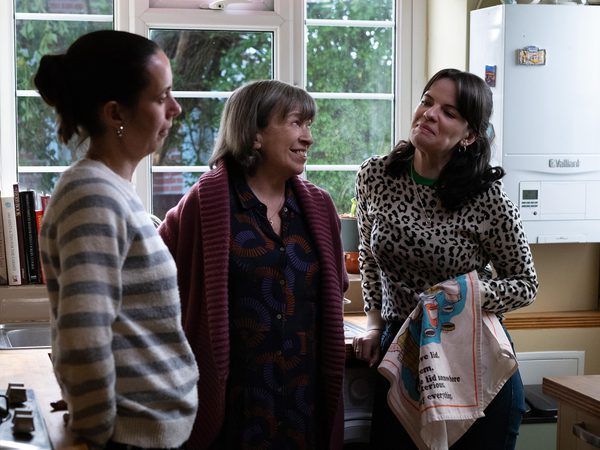
The film arrives with a sense of gentle urgency. It explores the relationships and family woes of two social workers, Rosie and Amy, as they navigate their personal complications alongside their professional burdens. These cosy vignettes of shared domesticity—sharing a bottle of wine, singing while doing the washing-up—are thrilling in their mundanity, serving as a relatable anchor for the shared experiences of family units across the globe.
But beneath the surface of these familiar scenes lies a deeper, more profound observation about existence. When routine is disturbed, as it is for Rosie and Amy when Birdie notices Geoff’s declining health, the true weight of reality settles in. The film beautifully illustrates how a seemingly ordinary domestic life is disrupted by the inevitable struggle with aging, illness, and uncertainty.
Leigh uses these intimate settings to reflect on the larger societal framework that often overlooks those who are most vulnerable. The narrative subtly addresses the ongoing erosion of support systems, highlighting how social care faces constant cuts and how the promise of public services is constantly under threat. This tension between personal care and institutional failure forms a crucial backbone of the story.
Leigh’s artistic style, as always, manages to sketch the frustrations of contemporary British carework with a gentle touch, avoiding didacticism while piercing through the emotional core of the experience. He trusts the audience to find the meaning, allowing the film to operate as a powerful mirror to our isolated present.
The performances are uniformly nuanced, crafting characters that feel deeply embodied rather than merely occupied. From the reluctance of Birdie to be a burden to the quiet endurance of Geoff to the resilient friendship between Amy and Rosie, the central cast delivers a collective portrait of resilience laced with inevitable sadness.
Despite the inherent heaviness of the subject matter—the desperation of a mother facing addiction, the melancholy of a simple singalong—the film is ultimately infused with crucial compassion. It champions the idea that in a time dominated by self-interest, the act of caring for and being cared for is a quiet, revolutionary force.
Ultimately, Tender Loving Care reminds us that even when institutions may crumble and popular rhetoric seeks to divide us, the dignity of humanity remains. It stands as a testament to the power of shared experience and the necessity of seeing the full, complex reality of life, especially for those who exist on the margins.
Buy on Amazon
Credit