Tenzing and the First Two Men Scale Everest
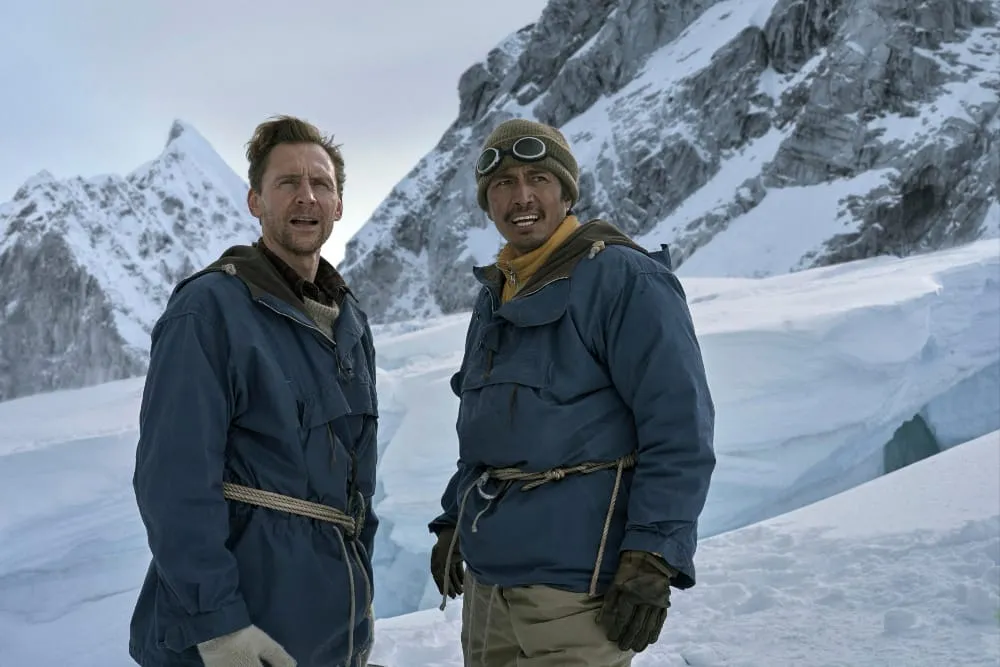
The film Tenzing has ignited a powerful sense of inspiration, but its success lies less in the spectacle and more in the profound authenticity delivered by its director, Jennifer Peedom. She has managed to blend the raw reality of high-altitude climbing with cinematic grace, carving out a unique space for the film within the contemporary wave of mountain adventure movies.
Peedom’s approach is rooted in deep experience. As an Australian filmmaker, she brings eighteen years of dedicated experience documenting the stark, demanding world of mountain climbing directly to the screen. This history is not merely background; it is the foundation upon which the film is built, lending it a you-are-there quality that is undeniably breathtaking, yet remarkably unforced.
What distinguishes the film is the masterful way Peedom stages the narrative. She captures the visceral experience of the ascent without resorting to manufactured drama or excessive spectacle. Instead, the authenticity she embodies is breathtaking because it is so true—a quiet immersion into the extreme environment.
This commitment to truth gives the film an unexpected gravitas. While it fits comfortably into the modern genre of action-packed adventure, it retains a timeless quality that elevates it beyond simple entertainment.
Ultimately, Peedom approaches storytelling with a classicist’s eye. Her direction possesses a subtle, understated elegance that recalls the masterful storytelling of cinematic legends. One can easily imagine masterpieces from directors like John Huston or Howard Hawks inhabiting the spirit and visual language of Tenzing. It is a film that reminds us that the most compelling stories are often found in the stark, uncompromising reality of the human experience.
Buy on Amazon
Credit