Tenzing reaches new heights
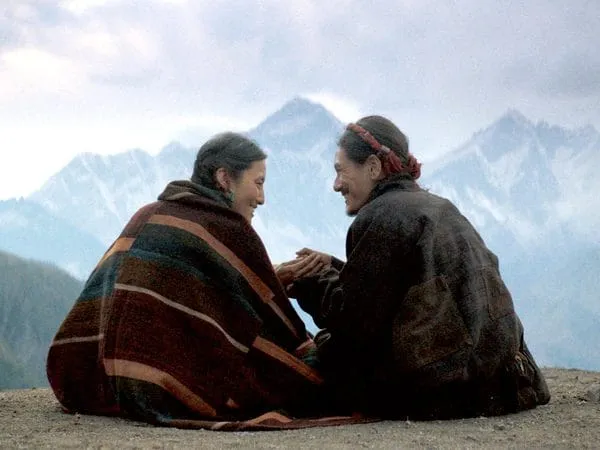
The story of Mount Everest is often told through the lens of conquest and achievement, but what happens when we ask who truly owns the narrative? Jennifer Peedom’s mountaineering biopic steps away from the familiar tale of the 1953 ascent to offer a profoundly necessary shift in perspective, centering the legend not on the conquerors, but on the people who live in its shadow.
While Tenzing Norgay and Edmund Hillary remain immortalized as the first humans to summit the peak, this film reclaims the story, shifting the focus away from the iconic partnership and toward Tenzing’s deeply spiritual connection to Chomolungma, the name the Sherpa people use for Everest. Genden Phuntsok delivers a beautifully understated performance as Tenzing, portraying a man who views the mountain not as a prize to be claimed, but as a sacred, living presence that has called him home since childhood.
The film traces Tenzing’s life across three distinct timelines, revealing the journey that shaped his worldview. We see him as a boy, Samdrup Dorje Lama, fascinated by the arrival of George Mallory in his remote Tibetan village. Then, as a young man, Tenzin Dalha, he travels to Darjeeling with his wife Dawa in search of opportunity guiding European expeditions. Finally, we follow him as the head Sherpa on Hunt’s historic 1953 expedition, where he fights for his place among the team.
This journey highlights the uncomfortable irony of the Everest mythology—celebrating those who reach the summit while overlooking the countless individuals, like the Sherpa, who perform the dangerous, essential work to make the feat possible. Tenzing navigates this dynamic, seeking to ensure his voice is heard, even as he shares a complex relationship with his colleagues. When fellow Sherpa Pasang voices frustration with the European pursuit of glory, Tenzing manages to offer solace, yet the underlying grievance about recognition remains.
In a satisfying departure from conventional narrative, the film positions Edmund Hillary as a supporting figure, radiating quiet warmth rather than rivalry. Tom Hiddleston brings a gentle quality to the New Zealand mountaineer, allowing his respect for Tenzing to grow alongside their mutual dependence on the unforgiving mountain. The focus is firmly placed on Tenzing’s inner world, allowing the film to capture the mountain as both an awe-inspiring landscape and an imposing physical reality.
Peedom’s direction masterfully utilizes the dramatic landscape, emphasizing that an achievement cannot be separated from the culture and people surrounding it. By asking who gets to be remembered as an explorer and who is expected to simply carry the weight, the film invites us to look at a familiar summit from an entirely new vantage point. It may not reinvent the mountaineering movie, but it succeeds in reminding us that the true story of Everest is found on the other side of the peak.
Buy on Amazon
Credit