Triangle of Sadness Producer backs ‘Satellite of Love’ at Busan Market
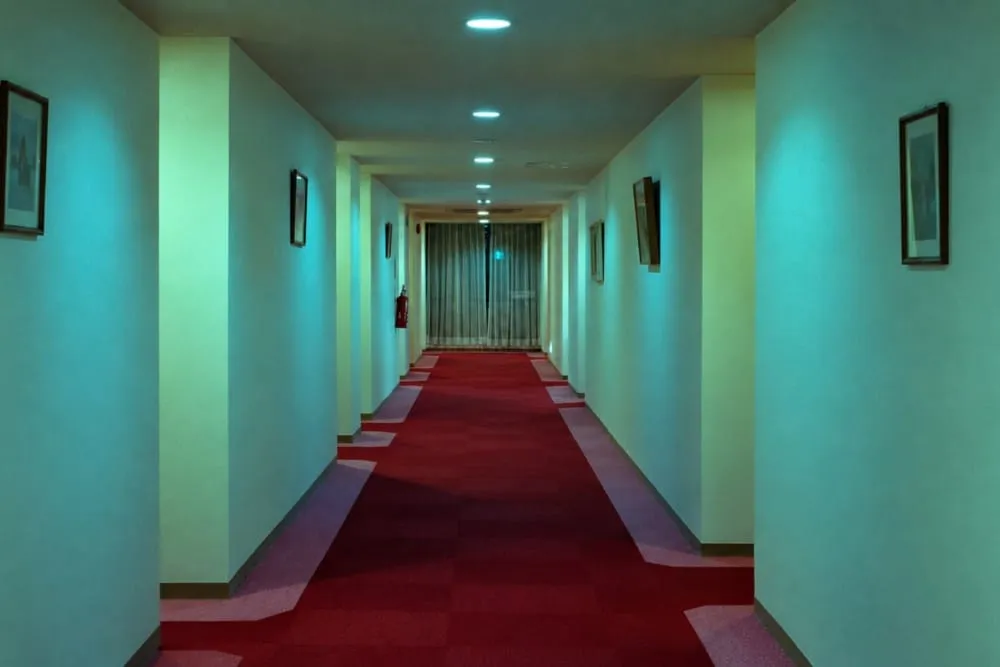
The silence of a rural love motel often holds a particular kind of heavy, suspended tension. For one woman, that silence wasn’t peaceful; it was a decade spent waiting—a lonely vigil in a single room where time seemed to stretch and warp around the absence of a man who had already left.
She entered the motel seeking solitude, expecting the familiar, isolating rhythm of waiting. What she found, however, was not just solitude, but a meticulously curated reality. The walls, the furniture, and the very atmosphere of the establishment felt less like a refuge and more like a carefully constructed stage set for a life that was never truly hers.
In this seemingly stagnant environment, a profound realization began to dawn: the waiting was not the end of her story, but merely a scene within a much larger, far more elaborate production.
The secret was that the motel itself was the setting for a captivating cinematic narrative, specifically the fourth feature from South Korean filmmaker Park Syeyoung, known for his intense and layered works, including the acclaimed film The Fin.
This project, titled Satellite of Love, transforms the banal setting of the love motel into a complex exploration of desire, illusion, and the performance of relationships. It suggests that the emotional landscapes we inhabit are often meticulously staged, built on desires that are perhaps more fictional than real.
For the woman confined within those walls, the realization shifts the focus from personal grief to existential inquiry. She is no longer just waiting for a ghost; she is immersed in an illusion where the entire performance of love has been constructed by the very space she occupies.
The film uses the physical confinement of the motel to amplify the psychological confinement of a constructed reality. It prompts a deep examination of how we engage with memory, desire, and the often-absurd dynamics of romantic expectation.
The narrative posits that what we perceive as genuine connection might simply be the most compelling act of performance we have ever witnessed. It turns the private tragedy of a woman waiting for love into a universal commentary on the nature of desire and the architecture of emotional truth.
Ultimately, the story transcends the confines of a simple melodrama. It uses the intimate, claustrophobic setting of the rural motel to deliver a sophisticated critique, inviting the audience to question the reality they accept and the narratives they participate in.
Buy on Amazon
Credit