Ultimate Action Movie Sequels
| Film | Year | Franchise | Director | Genre | Legacy Score |
|---|---|---|---|---|---|
| The Godfather Part II | 1974 | The Godfather | Francis Ford Coppola | Crime Drama | All-time classic |
| The Empire Strikes Back | 1980 | Star Wars | Irvin Kershner | Sci-Fi | Widely considered best sequel ever |
| Aliens | 1986 | Alien | James Cameron | Sci-Fi/Horror | Redefined franchise tone |
| Terminator 2: Judgment Day | 1991 | Terminator | James Cameron | Sci-Fi | Genre-defining action sequel |
| Toy Story 2 | 1999 | Toy Story | John Lasseter | Animation | Rare Pixar sequel success |
| Shrek 2 | 2004 | Shrek | Andrew Adamson | Animation | Peak franchise popularity |
| Spider-Man 2 | 2004 | Spider-Man | Sam Raimi | Superhero | One of best superhero films ever |
| The Dark Knight | 2008 | Batman | Christopher Nolan | Superhero/Crime/Thriller | Cultural landmark |
| Captain America: The Winter Soldier | 2014 | MCU | Russo Brothers | Superhero/Political Thriller | Spy-thriller MCU pivot |
| Top Gun: Maverick | 2022 | Top Gun | Joseph Kosinski | Action/Drama | Massive legacy sequel success |
| Avatar: The Way of Water | 2022 | Avatar | James Cameron | Sci-Fi/Adventure | Visual effects milestone |
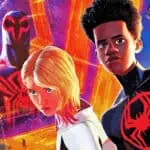
| Spider-Man: Across the Spider-Verse | 2023 | Spider-Verse / Spider-Man | Joaquim Dos Santos / Kemp Powers / Justin K. Thompson | Animation/Superhero | Animation innovation peak |
The debate over movie sequels often hinges on a single assumption: that a continuation must inevitably be inferior to the original. Yet, history proves that this notion is often laughably wrong. A select group of films have not merely matched expectations; they have redefined their franchises, becoming cultural and critical landmarks in their own right. These cinematic achievements represent the pinnacle of storytelling, demonstrating how expertly crafted follow-ups can expand worlds, deepen characters, and achieve unprecedented box office success.
The selection of these landmark sequels is based on a relentless combination of factors: influence on filmmaking trends, critical acclaim, lasting cultural impact, relative box office performance, and enduring audience reputation. From the classics of cinema to the sprawling landscape of the modern superhero age, these films stand as monuments to cinematic evolution.
At the foundation of this list are films that completely reinvented their genre and established new standards for sequel storytelling. Take The Godfather Part II (1974), a masterpiece by Francis Ford Coppola that is frequently ranked among the greatest films ever made. It didn’t just follow up on the original; it used intercut narratives to explore Michael Corleone’s tragic descent into organized crime, adding layers of complexity and psychological depth that cemented its status as an absolute classic.
The standard for cinematic adventure was set by The Empire Strikes Back (1980). This film didn’t just deliver an epic space adventure; it delivered a staggering plot twist that remains one of cinema’s most famous—a moment that shattered genre boundaries. It pushed the limits of sci-fi storytelling, providing darker mythology and profound character development that elevated the entire Star Wars franchise.
The evolution of action and horror franchises also saw revolutionary leaps. Aliens (1986) brilliantly transformed the terror of the original Alien into a visceral, military sci-fi experience. This sequel successfully redefined the action sequel model, pairing intense horror with military action to create a relentlessly tense and unforgettable cinematic journey. Similarly, Terminator 2: Judgment Day (1991) utilized groundbreaking visual effects to flip the franchise’s premise, delivering a sequel that is widely considered a genre-defining action film.
In the realm of animation, sequels proved that they could deepen emotional stakes while maintaining top-tier entertainment. Toy Story 2 (1999) continued the story of anthropomorphized toys, adding genuine depth and humor, cementing Pixar’s status as an elite storytelling studio. Even more successful is Shrek 2 (2004), which expanded the world-building and provided sharp, hilarious satire of fairy tales, achieving peak franchise popularity.
The superhero genre, in particular, has demonstrated the immense power of successful sequels. Spider-Man 2 (2004) set a new standard for character-driven superhero narratives, focusing on Peter Parker’s personal sacrifices and the complexity of his responsibilities. This trajectory led to monumental achievements, including The Dark Knight (2008), a cultural phenomenon that elevated superhero films into prestige cinema by exploring crime thriller realism and iconic performances.
The Marvel Cinematic Universe (MCU) further proves the power of franchise continuity. Captain America: The Winter Soldier (2014) introduced a thrilling spy-thriller structure into the superhero landscape, successfully redefining the MCU as a flexible, genre-blending universe. Even the most recent entries continue this trend, with Spider-Man: Across the Spider-Verse (2023) achieving critical acclaim by pushing the boundaries of animation style and exploring complex multiverse storytelling.
Recent years have ushered in sequels that redefine blockbuster expectations. Top Gun: Maverick (2022) proved that nostalgia can be combined with breathtaking, modern aerial filmmaking. It was a monumental box office success that delivered visual stunts and a story so well-told that audiences didn’t need to see the original to fully appreciate the sequel’s brilliance.
Finally, the spectacle of visual effects continued to advance. Avatar: The Way of Water (2022) expanded the world of Pandora with stunning
Buy on Amazon
Credit