Union Town visual first look
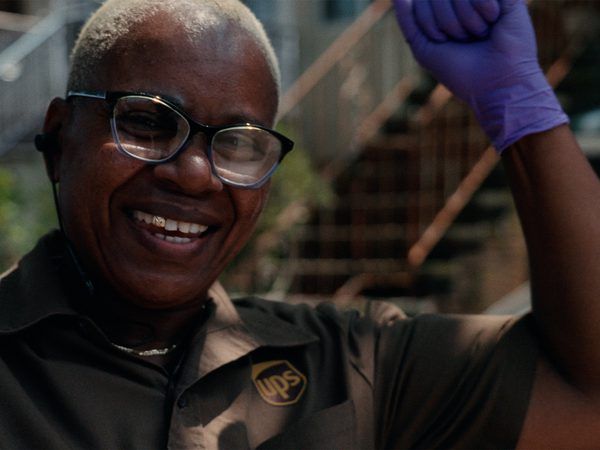
Fifty years after the strikes began, the story of labor organizing continues to unfold, but the soundtrack has changed. Legendary filmmaker Barbara Kopple’s documentary Union Town reminds us that while the specific demands of the working class evolve, the fundamental melody of solidarity remains the same.
The film is a masterclass in storytelling, demonstrating how true connection is achieved not by imposing a singular narrative, but by assembling a polyphonic chorus of individual voices. Kopple doesn’t act as a director imposing her vision; instead, she functions as a conductor, gathering the disparate experiences of everyday union workers and bringing them into collective harmony under the weight of capitalism’s relentless demands.
What makes Union Town so powerful is its radical refusal to elevate a few figures above the many. Rather than focusing on public faces or sensational confrontations, the documentary opts to let the ordinary workers tell their own story. By simply asking the everyday laborer how they fight for fair wages and working conditions, Kopple captures the authentic reality of the struggle—a stark contrast to traditional documentary methods that rely on newsreels or talking heads.
Kopple’s greatest insight lies in understanding that the true grassroots is far more complex than the “grass-tops” in the media. She seeks to ensure that the voice of the common laborer is heard, even as they suffocate under impossible corporate demands. The film beautifully embodies the democratic ideal that the collective voice must be prioritized over the profits of the few.
The film tracks the tumultuous years spent fighting for compensation for the essential work of delivery drivers. These workers serve as the indispensable backbone of the city, responsible for moving vast quantities of goods and meals daily. While traditional shipping giants like UPS have occasionally bent to union demands, the threat to this solidarity today comes from newer, more insidious forces. Organizations like Amazon and DoorDash represent the latest optimization engines, finding every loophole to maximize efficiency and profit at the expense of human dignity.
The camera patiently captures the ebb and flow of this mobilization, showing incremental progress alongside brutal crackdowns. This portrayal of labor negotiations, which intersects with issues ranging from immigration to cost of living, offers a necessary clarity amidst the noise. It demonstrates how these battles are fundamentally interwoven with the fabric of society.
In a world obsessed with maximizing efficiency, the film finds its emotional anchor in the human cost. A funeral for a delivery biker, for instance, serves as the film’s emotional center. By focusing on the finitude of life, Kopple reminds the audience that bearing witness to the lives of the workers means bearing responsibility for them. It is a powerful reminder that every individual struggle is part of a shared, collective story.
Buy on Amazon
Credit