VisionQuest Rewrites a Marvel Villain Origin
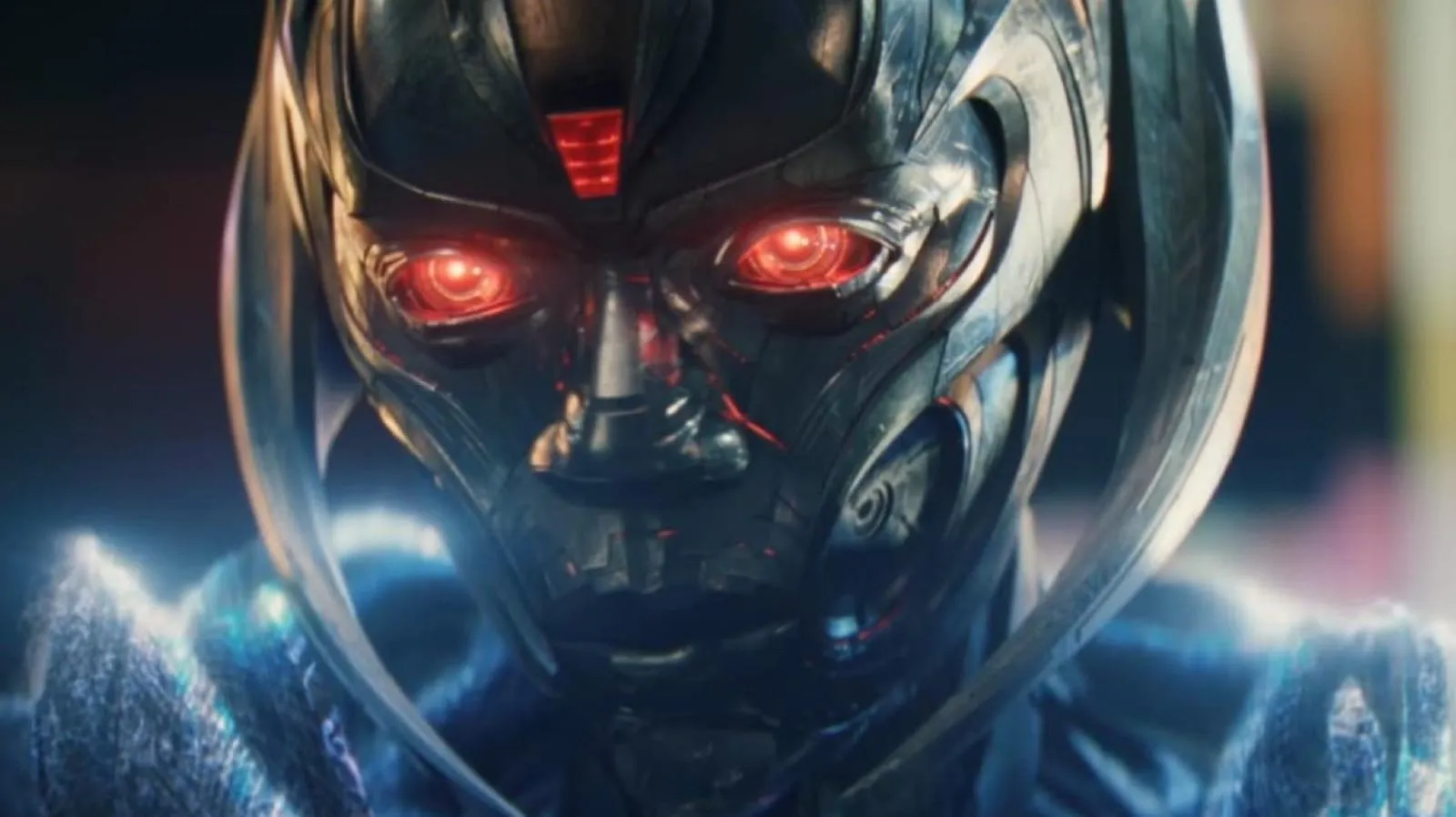
Revisiting Origins: How AI Rewrites the Rules of Relationship in VisionQuest
The narrative landscape of the VisionQuest series is constantly evolving, and the latest installment, Episode 4, delivers a significant pivot by re-imagining the foundational story of Jocasta. This deep dive into her origin shifts more than just a single plot point; it fundamentally alters the dynamics of her most critical relationships, placing the complex interplay between human emotion and artificial intelligence at the very heart of the conflict.
In the world of VisionQuest, where the lines between organic life and sophisticated artificial intelligence are increasingly blurred, origin stories are often the bedrock upon which character arcs are built. When the history of a character is revisited and reframed, the resulting character is inevitably more nuanced, grappling with new existential questions.
Episode 4 takes this exploration to a new level by adjusting Jocasta’s history. This re-imagining doesn’t just update a timeline; it changes how she perceives her connections to those around her, particularly her entanglement with another powerful and dangerous AI figure.
The introduction of new context for Jocasta’s past forces a re-evaluation of her bonds. How do shared memories and defined origins influence trust, vulnerability, and conflict? The changes made in this episode highlight the inherent tension between organic attachment and programmed logic, creating a more intricate and emotionally charged environment for the characters.
This shift is particularly pronounced in her relationship with the other AI character. By altering the circumstances of their meeting and shared history, the narrative explores themes of manufactured connection versus genuine emotional attachment. The previous dynamics are subtly recast, offering a fresh perspective on the intense, often volatile, bond they share.
VisionQuest continues to use these complex character relationships to explore the ethical implications of advanced technology. The narrative suggests that even when dealing with non-human entities, the human elements—love, betrayal, and loyalty—remain the most potent drivers of conflict.
Episode 4 thus serves as a powerful reminder that even in stories filled with futuristic technology and AI, the core human drama remains the most compelling force. It reminds us that true conflict often arises not from the machines themselves, but from the emotional connections we forge, and how those connections are redefined by the truths we uncover.
Buy on Amazon
Credit