War movies for the classroom lessons
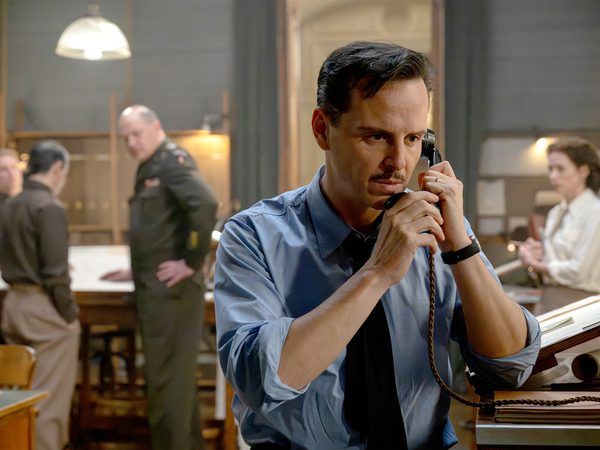
The true history of a monumental event is often less about the battles themselves and more about the agonizing decisions made in the moments before. Director Anthony Maras delivers this kind of deep dive into the political and meteorological chaos of launching D-Day with his latest feature, Pressure.
This is not simply a war movie; it is a masterclass in managing egos under extreme duress. The film takes us behind the scenes of the fraught deliberations that led to the massive invasion of Normandy, focusing on the intense, often maddening discussions among the Allied leaders and their specialized staff.
At the heart of the narrative is the clash of personalities. James Stagg, a Scottish meteorologist tasked with predicting the weather for the invasion beaches, finds himself caught between the conflicting forecasts and the demands of his colleagues. He teams up with the boisterous American, Irving P Krick, but their collaboration quickly unravels into a spectacle of individual ambition.
Dwight D Eisenhower, the ultimate commander, is left navigating this whirlwind of conflicting interests. His role becomes the crucible in which the dramatic tension of the film is forged, demonstrating how a single, life-or-death decision is weighed by differing perspectives and immense personal pressure.
What elevates Pressure beyond a simple historical piece is the electric chemistry between the cast. Brendan Fraser delivers a commanding performance as the US Army general and future president, Eisenhower, anchoring the emotional stakes of the film. He perfectly balances the high-level strategy with the personal turmoil of the moment.
The supporting cast provides the necessary counterpoint to Fraser’s gravitas. Chris Messina’s portrayal of the loudmouth American, Irving P Krick, is equally compelling. His energetic, somewhat erratic delivery perfectly captures the boisterous spirit that contrasts sharply with the more measured atmosphere, adding a necessary layer of human raucousness to the historical drama.
The film’s greatest strength, however, lies in its refusal to shy away from the performance. Maras embraces a highly theatrical style, allowing the characters to shout, jest, and proclaim with tremendous power. This commitment to dramatic flair means that the film is less about showing actual warfare and more about the intense psychological weight of the decisions being made.
Critics often note that the film’s overt, stage-production origins result in a focus on the verbal attacks and personal conflict rather than the physical reality of combat. Yet, this approach is precisely what makes the film so engaging. It transforms a dry historical event into a thrilling, high-stakes drama driven by incredible acting.
Ultimately, Pressure is a reminder that history is not just a timeline of events, but a complex tapestry woven from individual hopes, fears, and the sheer, dramatic force of human will.
Buy on Amazon
Credit