Welles: How the Full Shot Separates Men from Boys
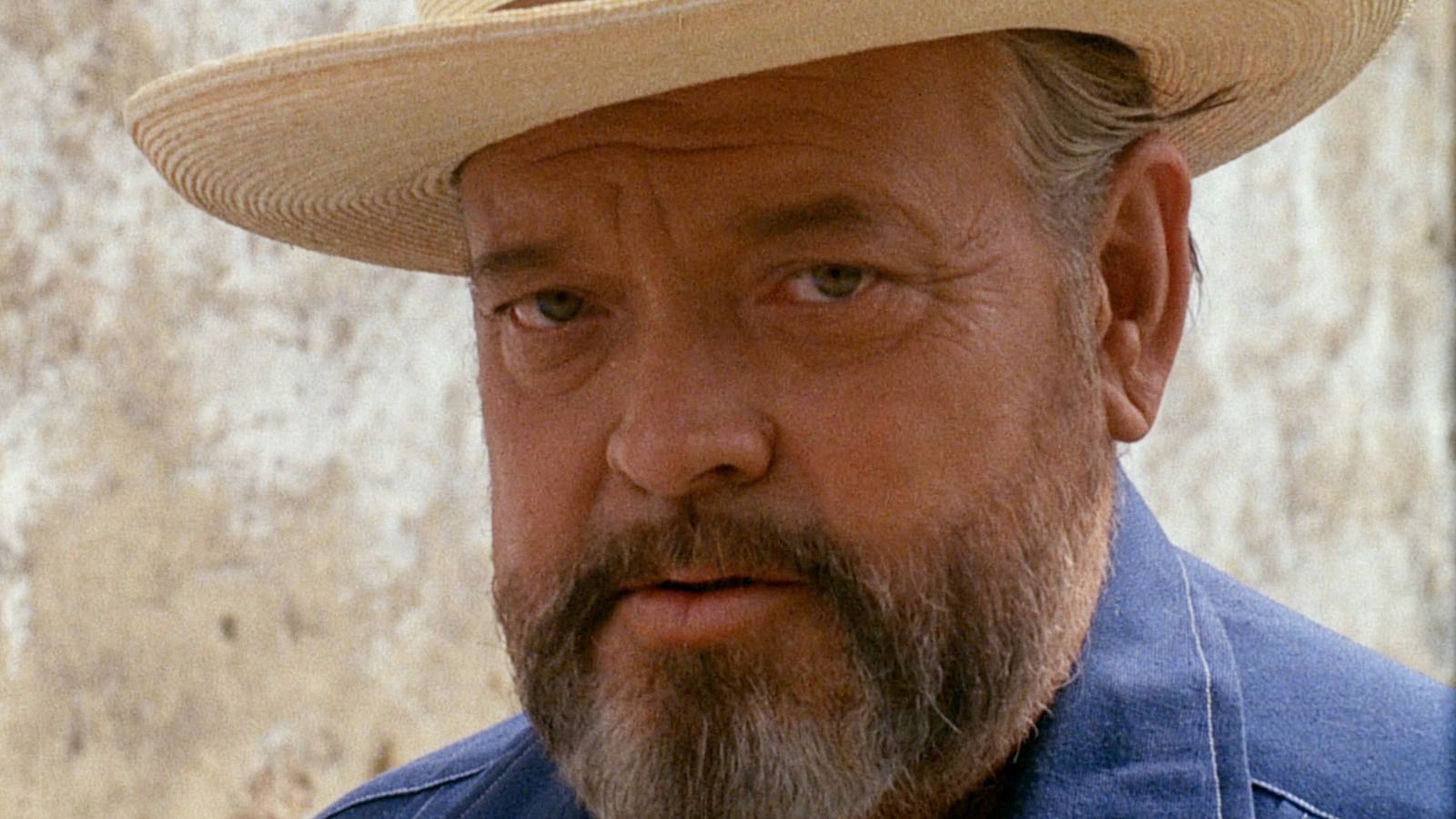
Orson Welles didn’t just direct films; he seemed to operate from a different set of cinematic laws. His approach was never merely technical; it was deeply philosophical, rooted in an intense understanding of how light, space, and duration could shape human experience.
There is an undeniable quality to the way Welles viewed the frame—a perspective that elevated the simple act of shooting a scene into a profound statement about storytelling. For him, visual technique wasn’t just a tool for realism; it was the language through which complex ideas were communicated.
One of the most telling aspects of his artistic priorities lay in his fascination with long full shots. While many filmmakers prioritize immediate action and close-ups to drive tension, Welles often employed expansive compositions. These weren’t simply aesthetic choices; they were deliberate decisions about pacing, character placement, and the sense of environment.
By favoring longer takes, Welles allowed the audience time to settle into the world he was building. This approach transformed a mere observation into an immersive experience. It demanded patience, inviting viewers not just to watch what happened, but to inhabit the space and the emotional gravity of the moment.
This commitment to breadth over immediacy spoke volumes about his broader artistic philosophy. Welles understood that true dramatic power often resides in the unspoken—in the relationship between characters and their environment, rather than solely in rapid-fire dialogue or sudden bursts of action.
His thoughts on cinematic form were inextricably linked to his vision for humanity itself. The full shot became a means of conveying scale, loneliness, and the vastness of human feeling. It was through this masterful manipulation of visual space that Welles articulated his profound artistic priorities, setting a benchmark for visual storytelling that remains astonishingly relevant today.
Buy on Amazon
Credit