Why Glen Powell avoids politics and why Running Man flopped
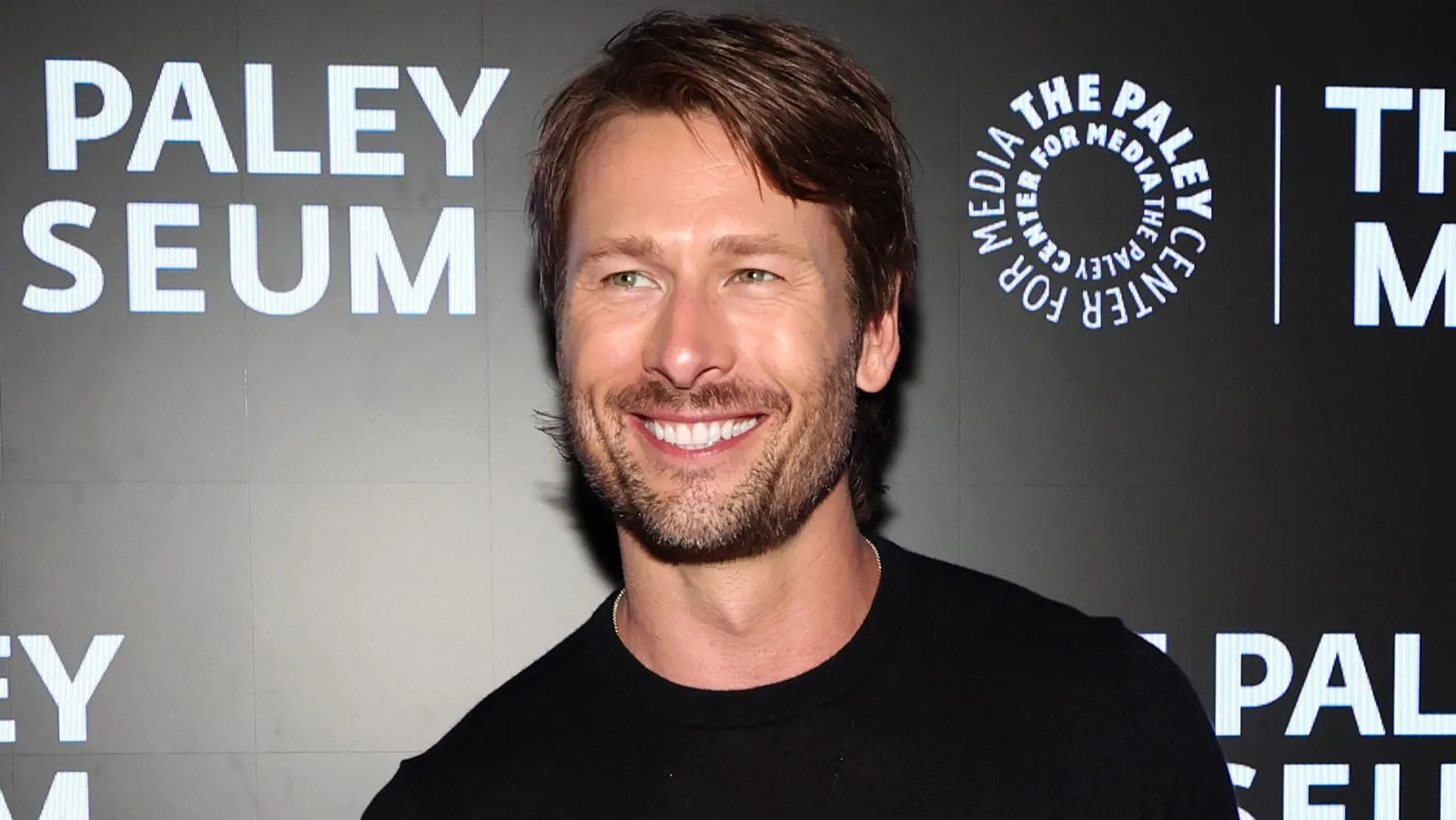
Glen Powell, the charismatic face of Hollywood, often navigates the intense spotlight of fame, but there are certain shadows that even the most public figures find themselves hesitant to cross. For Powell, one of those shadows is the realm of politics. Despite a seemingly complex personal history—his mother having served in the Reagan administration at the U.S. Treasury Department—he has chosen to keep his political views largely private.
This apparent disconnect between his background and his public stance stems from a deeper, more philosophical understanding of the political landscape. When pressed on his decision to remain quiet about the political sphere, Powell offered a candid reflection on the human element of the discourse.
“Over time, I realized that politics divide people,” he shared in an interview with Esquire. This sentiment suggests a profound weariness with the polarizing nature of public debate. For Powell, the act of trying to prove a point often seems antithetical to genuine connection.
He elaborated on this feeling, noting that when people are engaged in the pursuit of proving their political perspective, it shifts the focus away from shared understanding. For him, this dynamic felt like the worst version of political engagement—a zero-sum game where the goal is division rather than dialogue.
Choosing to step away from the fray is not a rejection of civic life, but rather a commitment to finding spaces where genuine connection can thrive, free from the intense pressures of partisan division. It highlights a common struggle for many who operate in public life: the desire to engage thoughtfully, balanced against the painful realization that public politics often demands conflict over collaboration.
Powell’s story serves as a subtle reminder that even those with rich, historical connections to public service can find peace by prioritizing empathy over ideology. It underscores the idea that sometimes, the most powerful political act is choosing silence in favor of connection.
Buy on Amazon
Credit