Wolverine Reviews Are Here
Marvel’s Wolverine: A Spectacular Fight Disguised as a Short Story
When Insomniac Games announced Marvel’s Wolverine, the anticipation was electric. Fans eagerly awaited a new entry in the franchise, expecting the polished action and narrative mastery that defined their previous hits. However, the reviews that have finally landed paint a slightly more complicated picture: while the game delivers spectacle and satisfying combat, it has struggled to connect the dots, resulting in a performance that stands out as the lowest Metascore for an Insomniac title in years.
With a substantial body of 108 reviews analyzed, the game currently sits at a respectable 78 on Metacritic. This score highlights a clear divide in critical opinion. Reviewers generally lauded the mechanical execution and the visual presentation, recognizing the technical prowess behind the title. Yet, this technical excellence often collided with significant critiques regarding the game’s structure and narrative scope.
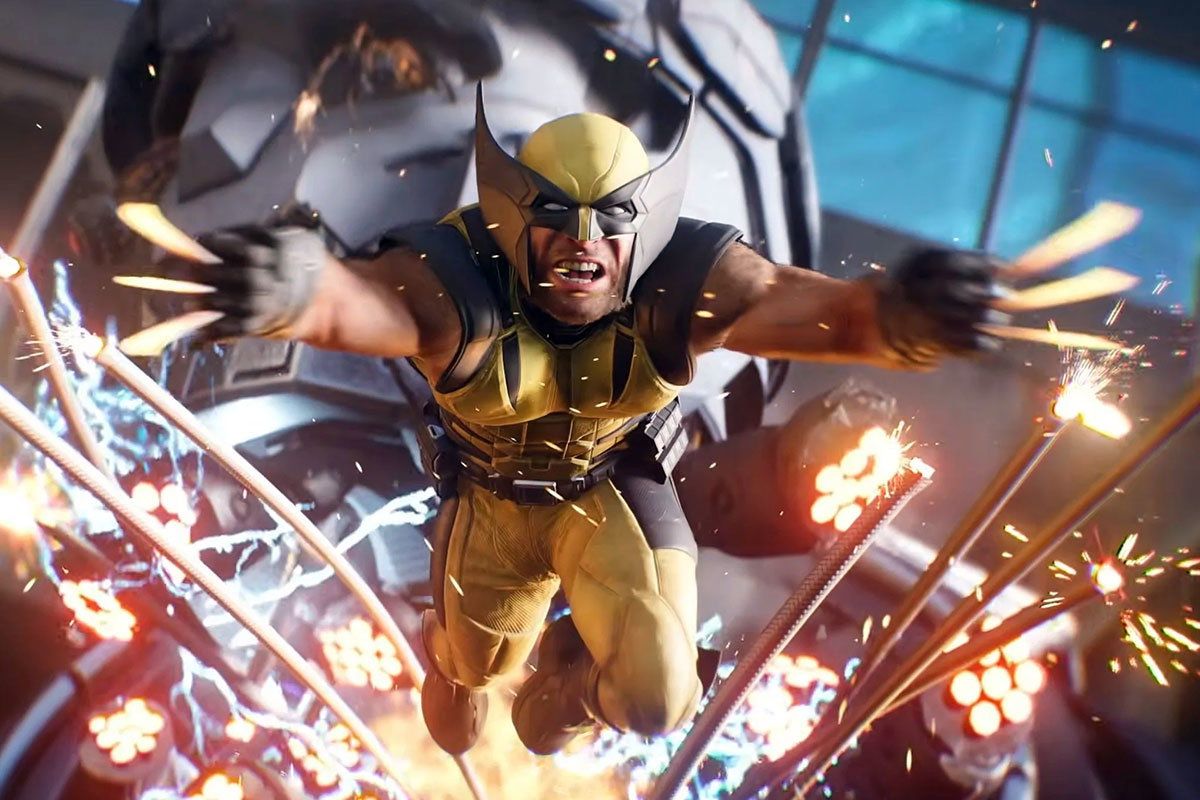
The praise focused heavily on the action. Reviewers noted that the combat system is deeply satisfying, delivering intense and brutal encounters that make every fight feel impactful. Furthermore, the game successfully adapts the iconic mutant, offering a gorgeous, rock-solid presentation that looks stunning on the PS5. Characters like Liam McIntyre are credited with giving Wolverine a compelling depth of soul, grounding the spectacle in genuine emotion.
However, the game’s narrative ambition seems to be where the cracks appear. Critics found that the story, while rich in potential, often felt underdeveloped and somewhat linear. The campaign, which guides players through Logan’s experience, is reportedly limited in scope, clocking in at around 10 to 15 hours—a runtime that some felt was too restrictive for the world they were trying to build.
Some reviewers pointed out that the focus on intense, repetitive combat sometimes overshadowed the storytelling. While the bloodshed provides a visceral experience, others felt that the narrative occasionally stumbled, struggling to deliver the kind of epic character development expected from a legendary figure like Logan. The gameplay, despite its satisfying action, was noted by some as lacking the depth and variety that distinguishes Insomniac’s other masterpieces, such as Marvel’s Spider-Man 2.
Ultimately, Marvel’s Wolverine is a game of strong contrasts. It succeeds as a showcase for technical combat and stunning visuals, proving that Insomniac can deliver high-octane superhero action. But it simultaneously struggles with the weight of its own narrative, offering a compelling fight experience while leaving some players wishing for a broader, more nuanced story world. It is a brutal, technically impressive experience that sets a high bar for what a character-driven superhero game can achieve, even if it hasn’t quite reached the level of legendary status yet.
Buy on Amazon
Credit
