Wolverine sells and fixes the Blue Gas
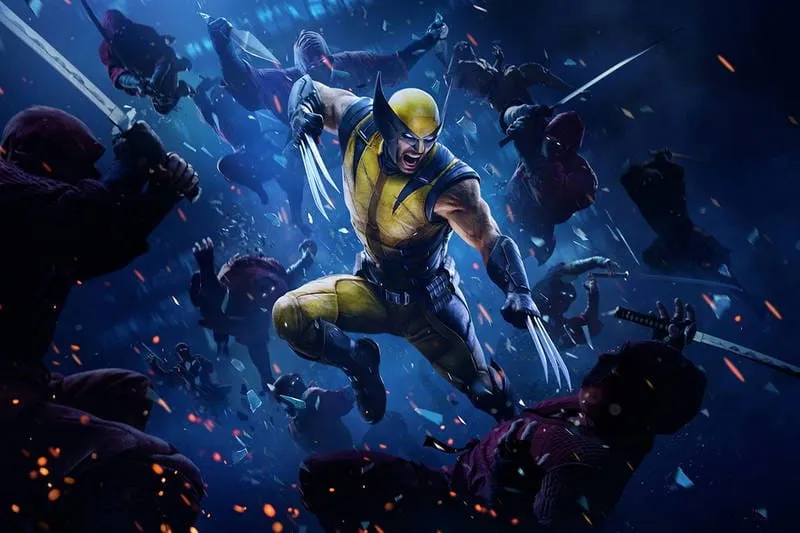
The Smell of Success: How Marvel’s Wolverine Ignited the PlayStation 5
In a whirlwind of digital activity and high-octane action, Marvel’s Wolverine has not just been a game; it has been a cultural phenomenon. Within its initial release window, the title has delivered staggering numbers, reportedly selling through 1.9 million copies, with a million of those sold through pre-launch digital orders, generating an estimated $130 million in revenue according to third-party analytics.
This achievement has cemented the game’s status as the top-performing new PlayStation Studios title on the PS5 this year. To put those figures into perspective, Wolverine has already surpassed the lifetime sales and revenue of several other heavyweights, including titles like Death Stranding 2, Marathon, and MLB The Show, showcasing an incredible appetite for the game’s unique formula.
The global market embraced the title, with the United States accounting for the largest share of the player base at 53%, followed by the UK, France, and Canada. While first-party numbers from Sony PlayStation remain under wraps, the financial momentum is undeniable.
Behind these massive sales, the development process itself was anything but smooth. The game’s creators, Insomniac Games, have addressed community concerns regarding the game’s notorious ‘blue gas’ scent trail elements. This feature had become a major point of contention online, leading to significant discussion about game design and sensory immersion.
In response, the developers have updated the game, exploring toggleable options for the scent trails in future updates. This move signals an acknowledgment of player feedback and an effort to balance immersion with community comfort.
Yet, the saga of the game extends beyond its code and its revenue. As the title gained traction, the digital landscape surrounding it became a battleground. Content creators across platforms like TikTok, X, and YouTube faced intense scrutiny, often facing backlash for exaggerating or fabricating issues to stir outrage—from debunked signage to highly selective clips suggesting the game ‘plays itself.’
This environment highlights a broader tension within gaming discourse. Many users have expressed fatigue with the online environment, noting that the culture wars and console battles are increasingly fueled by financially incentivized online mauling. This includes social media monetization models where algorithms profit from ragebait, and online prediction markets where users can effectively bet against a title’s success based on metrics like revenue or Metacritic scores.
Despite the external noise, the quality of the experience seems to have resonated deeply with players. The game has accumulated a remarkable 4.8 out of 5 rating on the PlayStation Store from over 34,000 purchasers—a testament, many suggest, to the fact that only those who have actually purchased the game can truly deliver that score.
Buy on Amazon
Credit