Xbox Rejects $500M Netflix Deal
The boardroom battle for gaming intellectual property is heating up, as the dynamic relationship between entertainment giants like Netflix and Microsoft shifts gears. A major reported offer for a cross-platform streaming deal involving Xbox characters recently stalled, leading to a strategic pivot that signals a more fragmented, yet potentially more fruitful, future for game adaptations.
Reports indicated that Netflix initially put forth a substantial bid of $500 million for a seven-year agreement to adapt shows and films based on Xbox properties. However, the response from Microsoft was equally compelling, with reports suggesting an opposing offer of $800 million, which ultimately caused the deal to fall through.
Despite the setback, the underlying excitement surrounding the potential for these adaptations remains palpable. Xbox representatives expressed enthusiasm for the record-breaking interest in their intellectual property, emphasizing the collaborative potential of upcoming animated series, including adaptations of Minecraft and Diablo.
This instance highlights a broader shift in strategy among the tech titans. Rather than pursuing large, overarching exclusivity deals, Microsoft is now reportedly prioritizing “smaller deals with more partners.” This approach focuses on a case-by-case assessment, seeking bespoke partnerships rather than monolithic agreements.
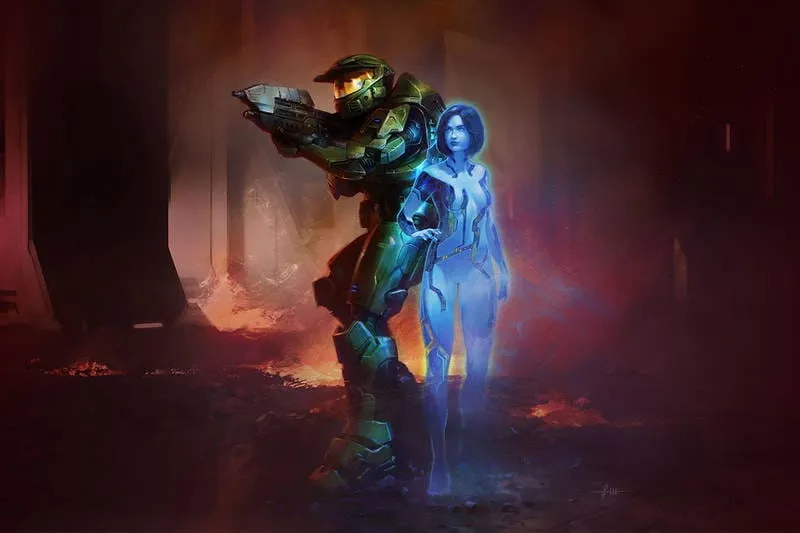
This strategic recalibration is not unprecedented. Microsoft has already established a history of collaborative content creation, successfully partnering with Paramount to produce the live-action Halo series and working with Amazon on the Fallout television series. They continue to nurture other game universes, with pitches flying for adaptations of titles such as Gears of War, The Elder Scrolls, and Sea of Thieves.
Netflix is already tapping into the successful trend of game-based content, evidenced by popular series like Cyberpunk: Edgerunners. This existing success sets a precedent for the platform’s appetite for deep, immersive, and character-driven narratives drawn from the gaming world.
By moving towards flexible, partnership-based deals, the industry is trading the risk of a single massive agreement for the opportunity of numerous, creatively synergistic projects. The focus is now less on controlling the entire narrative and more on unlocking the collective potential of these massive, imaginative game worlds.
Buy on Amazon
Credit
