Zach Bryan’s record night at Gillette wearing Palestine shirt
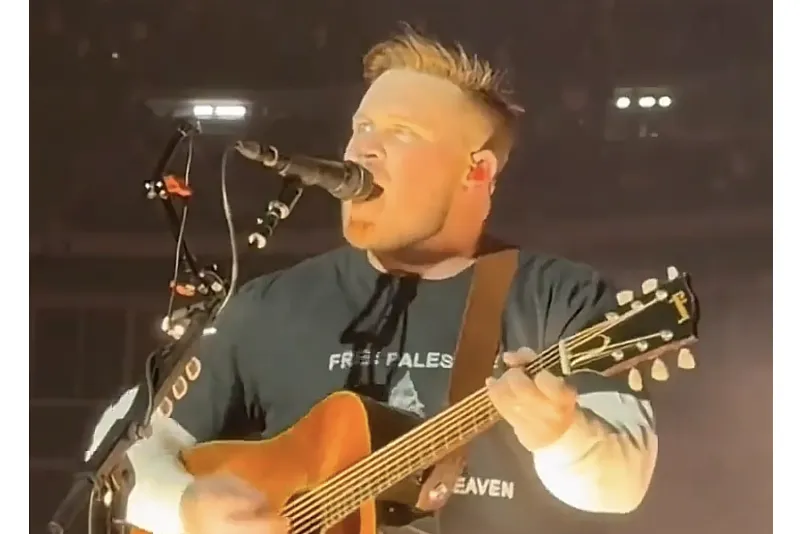
A Stadium Statement: Zach Bryan’s Record-Breaking Performance and Political Presence
The atmosphere at Robert Kraft’s Gillette Stadium crackled with a unique energy this past Saturday night, marking a significant event for both music and social commentary. Singer-songwriter Zach Bryan not only delivered a powerful performance but also set a new benchmark for attendance, drawing a staggering 73,538 fans to the venue.
This turnout was historic. The crowd achieved the largest attendance for any event ever held in the stadium’s history, underscoring a deep connection between Bryan’s music and a passionate, engaged audience. The sheer scale of the gathering turned the concert into more than just a musical event; it became a massive public convergence.
Adding another layer of meaning to the evening, Bryan made a powerful political statement by wearing a “Free Palestine” shirt for the second consecutive night. This decision placed the performance squarely in the spotlight, transforming a concert into a visible platform for broader social and political messages.
The dual action—achieving a venue record while engaging in a visible demonstration—suggests a deliberate attempt to amplify a specific message. Bryan’s presence at such a high-profile event, combined with his choice of attire, positioned his performance as a vehicle for complex commentary on current global issues.
The move was a statement on several levels, weaving together artistic expression, audience engagement, and political advocacy. It highlighted the growing role that major cultural figures can play in contemporary political discourse, using the massive reach of their platform to address pressing concerns.
By choosing to perform and advocate simultaneously, Bryan contributed to a conversation that extends far beyond the concert hall. It demonstrated how art can serve as a powerful medium for political expression, captivating audiences and sparking dialogue through shared experiences. The night at Gillette Stadium became a vivid example of how music and activism can intersect, turning a simple performance into a significant public declaration.
Buy on Amazon
Credit