Zhao Reflects on Making Marvel’s Eternals
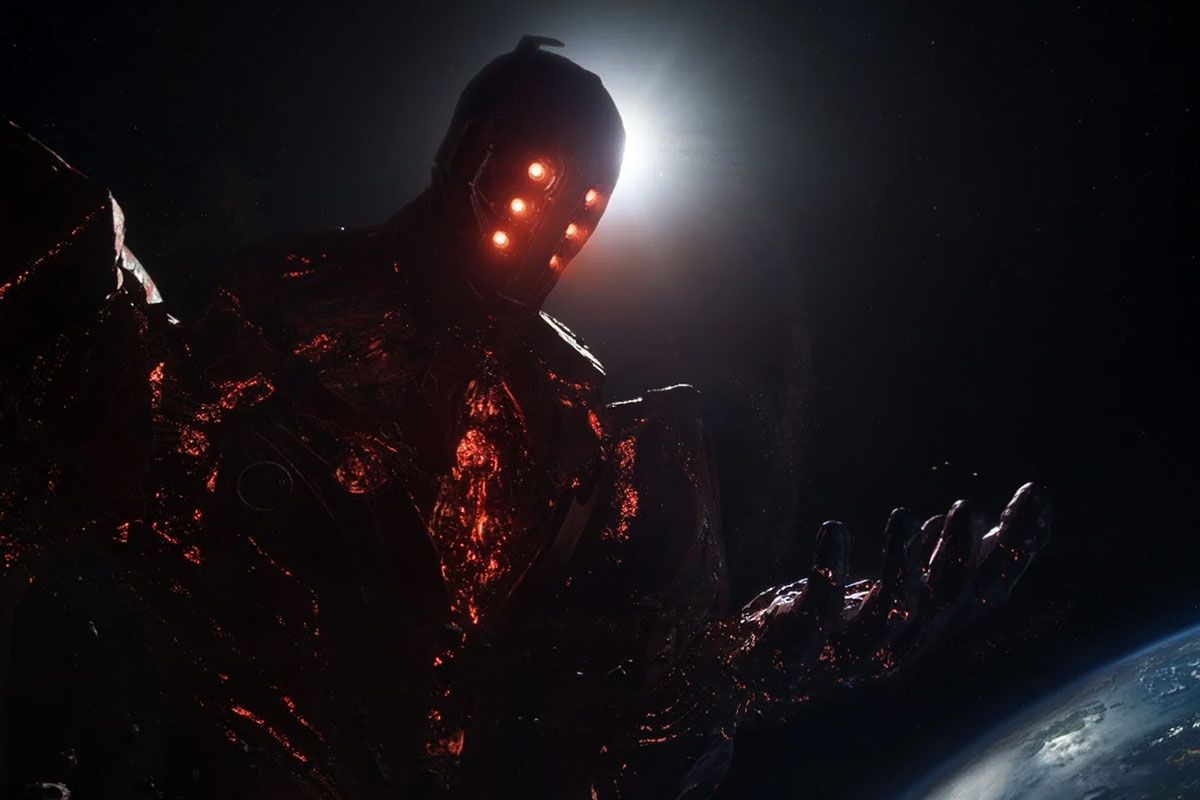
At the Venice Film Festival, filmmaker Chloe Zhao stepped into the spotlight not just to celebrate her career, but to champion the world of comic book cinema. She used the platform of a masterclass to defend the artistic merit and potential of superhero narratives, offering a refreshing perspective on why stories that venture into the realm of mythology and myth deserve to be told.
Zhao’s journey, while marked by significant achievements, wasn’t without its bumps. Her first foray into blockbuster filmmaking, the Marvel Studios property Eternals, proved to be a mixed experience. Despite being a project born of deep personal passion, the film faced considerable critical and commercial resistance, reflecting the often-turbulent waters of mainstream entertainment.
Yet, rather than letting setbacks define her vision, Zhao remained resolute. She expressed that the experience of making the film was cherished, regardless of the box office reception, underscoring a belief that the process of creation holds as much value as the final product.
When discussing the appeal of comics, Zhao drew a surprisingly insightful parallel. She likened comic books to the western equivalent of manga, suggesting a universal hunger for epic storytelling that transcends specific media formats.
She further highlighted the unique position she occupied when working within the Marvel framework. While Eternals wasn’t a top priority for the studio, Zhao was entrusted with the project because it was a unique intellectual property. This trust came from figures like Kevin Feige, who recognized her profound passion and allowed her to bring her vision to life on a story that literally no one else in the world was focused on.
Beyond the specifics of superhero films, Zhao turned the conversation toward the fundamental purpose of storytelling itself. She argued that stories should not be dismissed simply because they don’t fit traditional definitions of “high art.”
“The purpose of storytelling for me, humbly, is to create containers for people … to try to process what they need to process,” she explained. Zhao believes that archetypes—the shared myths and patterns we recognize—provide a powerful and universal structure for human experience.
This philosophical approach speaks to a desire to use narrative not just for entertainment, but as a tool for shared human understanding. It suggests that the power of a story lies in its ability to help audiences navigate the complexities of existence.
As the cinematic landscape continues to evolve, the question remains whether this emphasis on myth-driven narratives will continue to gain traction. While sequels and new material continue to emerge, the enduring power of stories rooted in shared archetypes suggests that the conversation surrounding comic book cinema, and the art of creation in general, is far from over.
Buy on Amazon
Credit
