Andrew Garfield makes billionaires soul sick in The Uprising
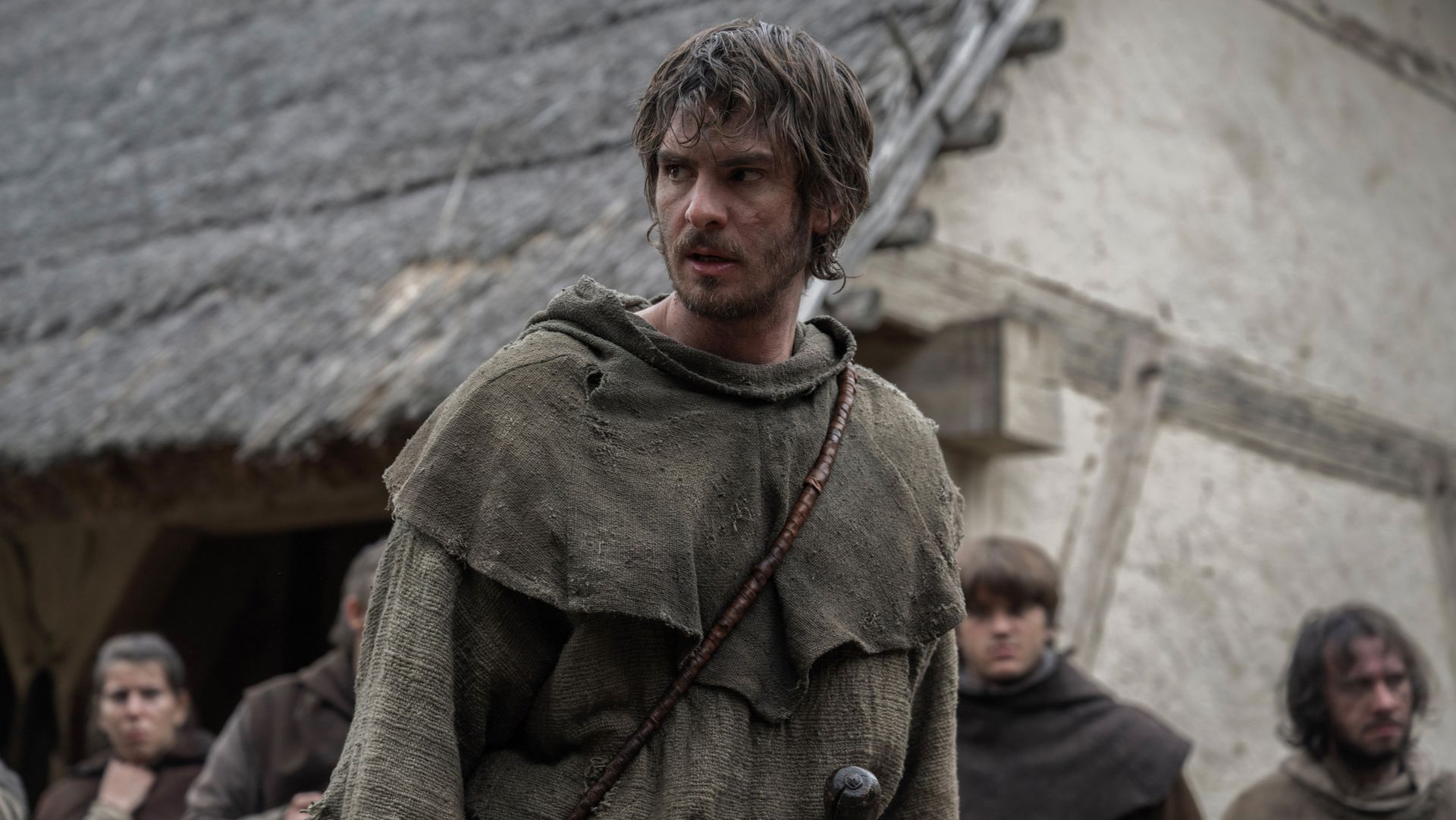
In the world of cinema, certain films don’t just tell stories; they act as sharp societal mirrors. The premiere of The Uprising has generated more than just cinematic excitement; it has sparked a necessary conversation about class, power, and the responsibilities of the ultra-wealthy.
At the heart of this discussion is the character of Ploughman, brilliantly portrayed by Andrew Garfield. This folk hero is not just a figure of rebellion; he is a reflection of an enduring myth—the spirit of Robin Hood—reimagined for a contemporary age. Garfield’s performance taps into a deep, ancestral yearning for justice, reminding audiences that the fight against oppression is timeless.
Garfield, a multiple Oscar nominee himself, sees the narrative of The Uprising as more than just entertainment. He views it as a potent warning aimed squarely at the powerful figures who shape our world today. His message is clear: the structures of wealth and privilege require a reckoning.
Specifically, Garfield suggests that those at the top—the billionaires and kings of the modern era—should be deeply unsettled by the story unfolding on screen. He calls for them to be “scared shitless” by the reality depicted in the film.
This sentiment positions the film not merely as an action-packed adventure, but as a provocative critique of the disparity between the governed and the governors. By borrowing the legend of Robin Hood and framing it within a modern context, the movie uses the familiar framework of folklore to deliver a stark and urgent message about inequality.
It is this fusion of mythology and modern social commentary that elevates The Uprising beyond a typical blockbuster. It encourages viewers to look past the spectacle and consider the systemic injustices that exist in our society. The film serves as a compelling call to action, suggesting that the echoes of folk heroes are still necessary tools for demanding a more equitable future.
Buy on Amazon
Credit