Bailey, Dafoe, Dinklage voice Hanks’ Bardo
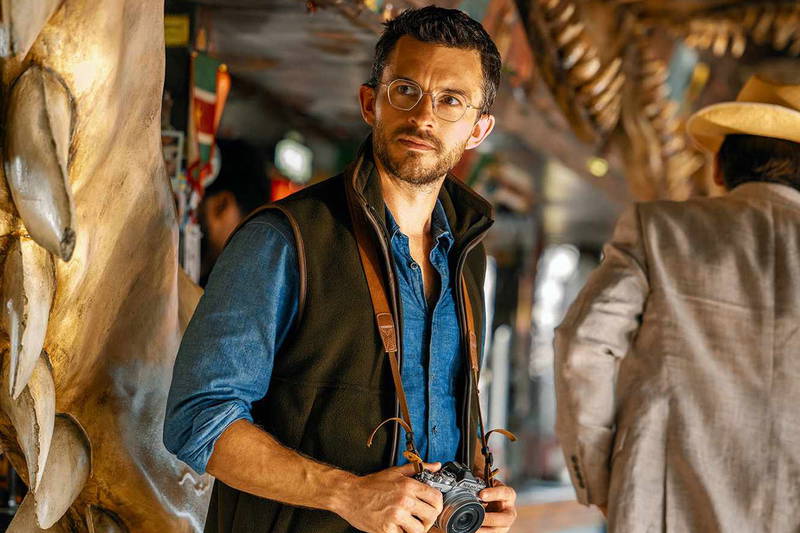
The world of cinema is buzzing with news from a project poised to redefine how we understand historical memory and profound grief. A truly unique adaptation of George Saunders’ “Lincoln in the Bardo” is underway, bringing together an exceptional trio of actors to explore the complexities of love, empathy, and the human capacity to endure unimaginable loss.
Jonathan Bailey, Willem Dafoe, and Peter Dinklage have all joined the voice cast, lending their unique depth and resonance to the project. They will be breathing life into ghostly figures that inhabit the film’s deeply moving narrative.
The story shifts focus away from the typical historical milestones—such as the Civil War or the assassination of Lincoln—to delve into the intimate, haunting relationship between Abraham Lincoln and his recently deceased 11-year-old son. This intimate lens promises an exploration of sorrow that is both personal and universal.
To achieve this delicate balance, the production is embracing a stunning visual and auditory blend of stop-motion animation and live-action. This creative choice allows the filmmakers to explore the concepts of “living and dead, historical and invented” characters, weaving a tapestry of memory and illusion.
Each actor will embody a character steeped in their own unique sorrow. Bailey voices Roger Bevins, a young gay man who tragically took his own life and instantly regretted his choices. Dafoe will portray Reverend Everly Thomas, a minister who died convinced he had reached heaven, only to discover a different reality. Peter Dinklage brings his formidable presence to the role of Hans Vollman, a man consumed by the dream of reuniting with his much younger wife.
Behind this ambitious vision is the directorial and producing talent of Oscar-nominated filmmaker Duke Johnson, supported by the production power of Tom Hanks’ Playtone label and his collaborator Gary Goetzman.
The film promises to be more than a historical drama; it is an emotional journey that uses the framework of history to explore the raw, beautiful, and often painful nature of human connection and the enduring power of memory. It is a compelling look at how we grapple with loss and the vast, complex landscape of human empathy.
Credit