Behind the scenes of the Barbie sequel talks
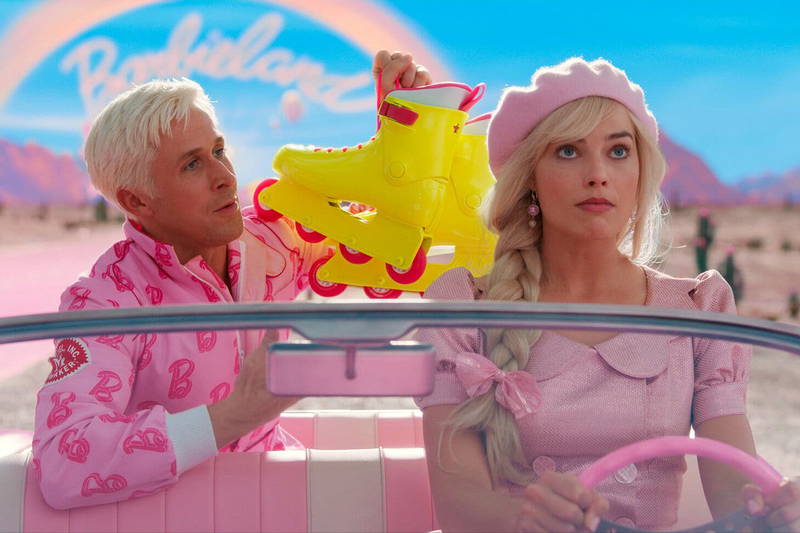
The glittering world of plastic and pink is facing a looming deadline: the fate of a sequel to the blockbuster film Barbie now hangs precariously over Warner Bros. Pictures.
The original Greta Gerwig-directed movie burst onto the scene in 2023, quickly becoming more than just a film; it was a cultural phenomenon that grossed $1.5 billion worldwide and earned widespread critical acclaim, including an Oscar nomination for Best Picture. Yet, as the glow of pink fades slightly, the focus has shifted from box office success to the daunting negotiation required to bring the next chapter to life.
Despite the massive success, the sequel’s development has been stalled by a unique contractual quirk: the stars and director did not have existing deals in their contracts mandating their return. This lack of established agreements means that new, likely much larger, financial negotiations are now required to secure the involvement of Margot Robbie, Ryan Gosling, and Gerwig.
Adding another layer of complexity, director Gerwig had previously indicated she lacked specific story ideas for a follow-up. However, this creative drought appears to be over. Reports suggest that Gerwig and her writing partner Noah Baumbach have developed compelling material they are eager to share, ready to dive into the script—but their pen remains poised until the financial framework is firmly in place.
The clock is ticking for Warner Bros., which reportedly needs these agreements finalized by December. Failure to reach a consensus would force a drastic measure: the rights to the intellectual property would revert back to Mattel, effectively kicking off a complete reboot of the franchise without any continuity from the original vision or talent.
Behind the scenes, the negotiations are proving to be more challenging than anticipated. While Warner Bros. has been engaged in lengthy talks with Gerwig and Gosling for months, CEO David Zaslav reportedly remains resistant to the terms, suggesting that proposed deals, including box office percentages, are deemed too high.
This corporate impasse pits creative ambition against financial reality. Even if a deal is struck by year-end, the actual production of the sequel is still projected to take at least two or three years.
The stakes couldn’t be higher: whether this cinematic dream evolves into the next era of Barbie or settles into corporate limbo depends entirely on the successful navigation of these high-stakes creative and financial negotiations.
Buy on Amazon
Credit
