Branagh hosts 5 stars in Telluride doc Into The Breach
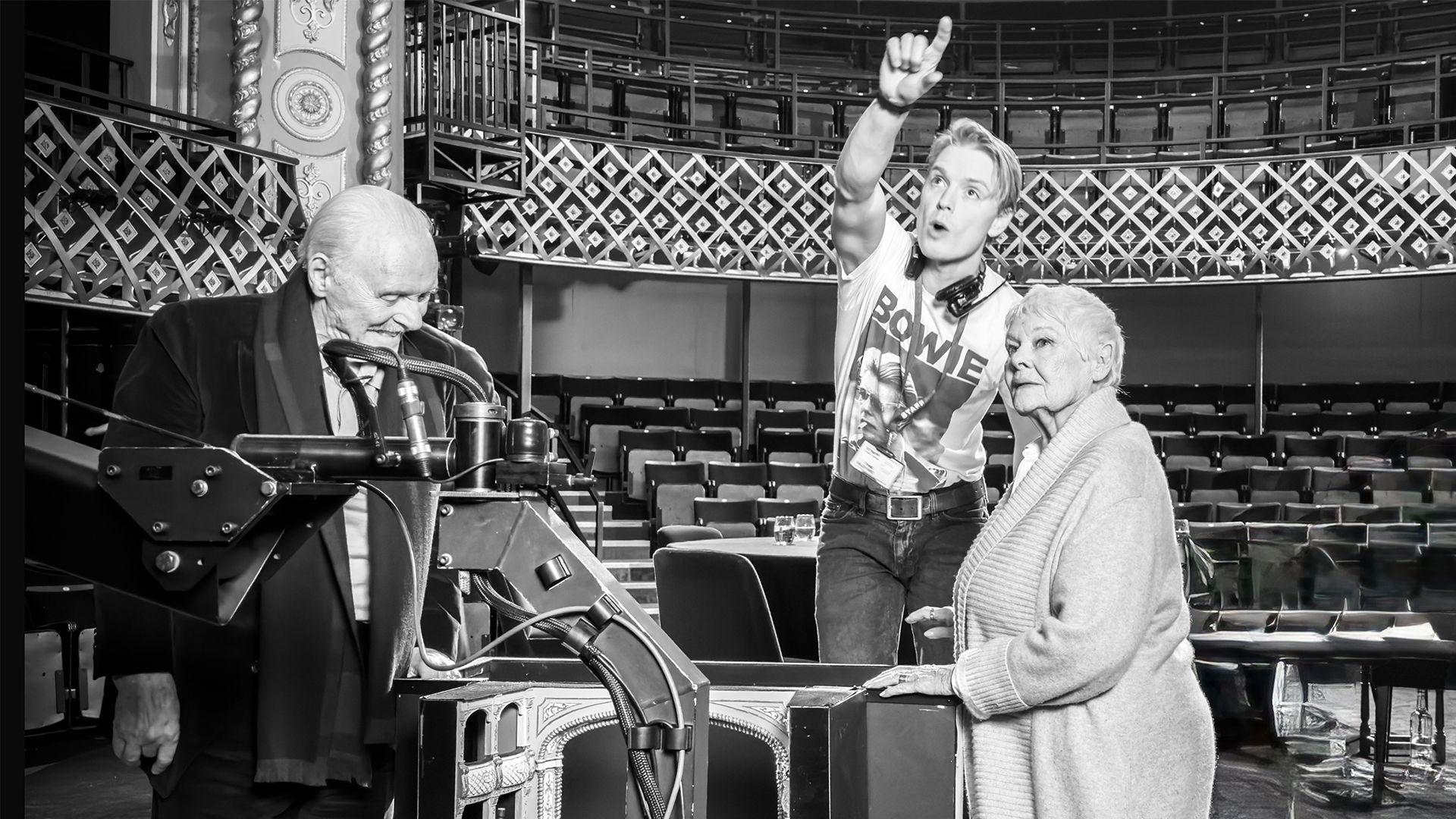
There is a certain magic woven into the fabric of postwar British theatre, a time when the stage was not just a place for performance but a sanctuary for artistry and myth. As one of the era’s most celebrated figures, Dame Judi Dench, offers a fascinating glimpse into this golden age, revealing how the actors who graced the stage possessed a status that bordered on the divine.
Dench recounts a remarkable history of theatrical royalty, pointing to figures like Richard Burton and John Neville who commanded audiences with a presence that transcended mere acting. These performers were not just brilliant; they were treated, in many ways, like gods by the public.
This elevation of status wasn’t just a matter of talent; it reflected the powerful cultural reverence for the stage during that period. The dramatic intensity and sheer charisma of these stars created an atmosphere where the audience felt they were witnessing something truly exceptional.
The impact of this theatrical dominance was profound, setting a benchmark for stardom that resonated through the decades. Dench notes that this level of legendary status existed in a world that was, perhaps, a little less frivolous than the subsequent pop culture boom.
The enduring legacy of this era is perhaps best captured in the cultural shift itself. As Dench muses, this golden age of stage acting existed before the advent of modern pop icons, specifically referencing the era before the arrival of the Beatles.
The history of these performers—from the powerful presence of Burton and Neville to the later magnetism of Anthony Hopkins—serves as a powerful testament to the enduring power of theatrical storytelling and the almost mythical figures that can emerge from the dramatic arts.
Buy on Amazon
Credit