Diarra Kilpatrick: Centering Black Women’s Stories is Inherently Political
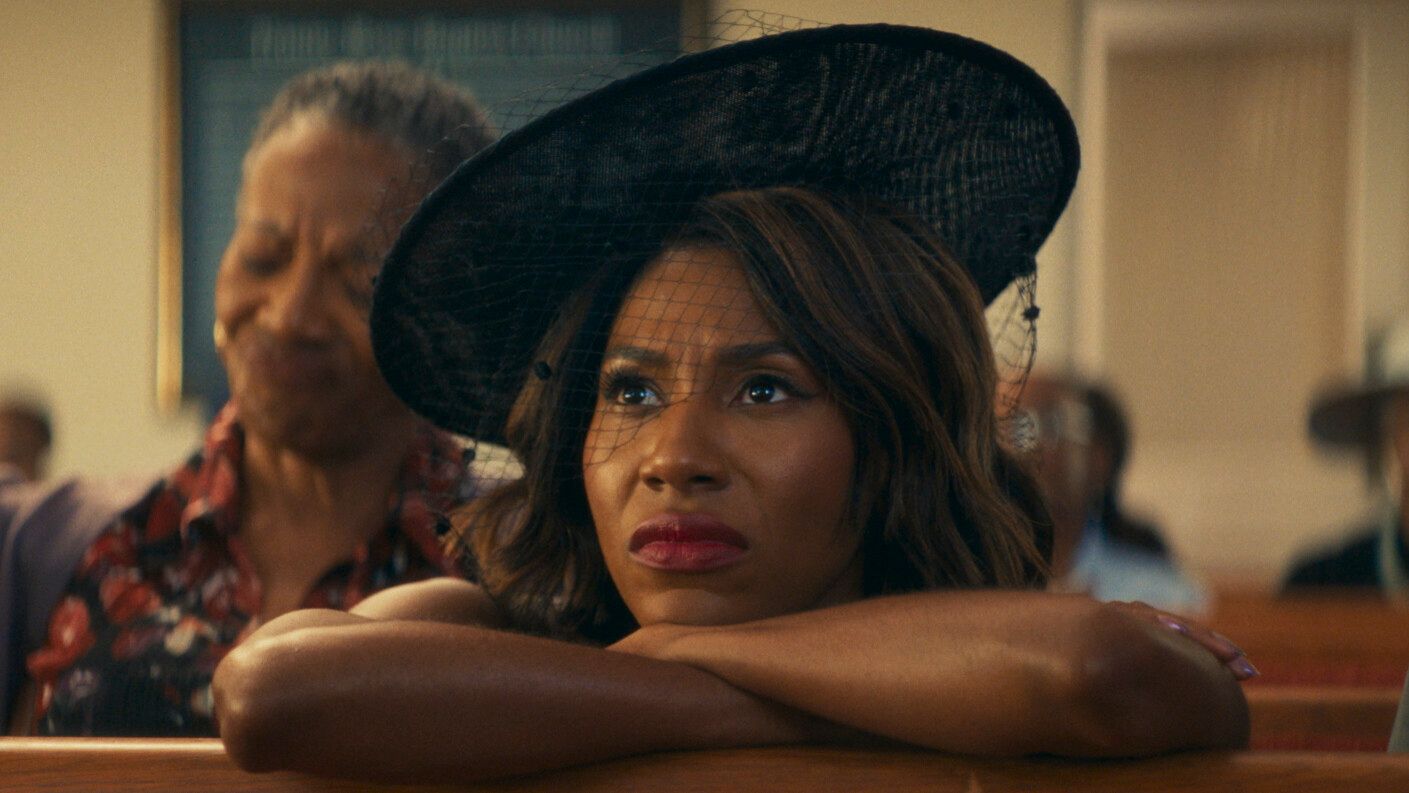
The Unstable Landscape of Television: Diversity, Deals, and the New Media Age
In the ever-shifting waters of the entertainment industry, where corporate mergers and political winds dictate the fate of creative projects, the landscape for diverse storytelling is facing a moment of intense scrutiny. The fate of Black-led series and creators is increasingly tied not just to critical reception, but to the larger tectonic shifts happening within media conglomerates and the broader political climate.
This tension is particularly palpable as major studio deals and corporate restructuring—such as the ongoing discussions surrounding the Paramount-Warner Bros. merger—redefine how content is financed and distributed. When giant media entities reconfigure themselves, the focus inevitably turns to how those changes affect the balance of power for creators who often bring unique, essential perspectives to the screen.
For creators navigating this environment, the fight for visibility and authentic representation takes on heightened importance. Series that successfully blend complex narratives and deeply human experiences, like Natasha Rothwell’s critically acclaimed Hulu comedy How to Die Alone, or the powerful work of Issa Rae on HBO, serve as vital benchmarks for the industry.
These productions demonstrate the immense cultural pull of authentic storytelling, proving that audiences are hungry for narratives that reflect the full spectrum of lived experiences. Yet, the challenge remains in ensuring that these powerful voices are not only heard but are also afforded the stability and support necessary to continue their vital work.
The convergence of these forces suggests a future where media ownership and political perspectives directly impact the creative output that reaches the public. The decisions made at the highest corporate levels, coupled with the prevailing political atmosphere, set the stage for what stories get told, and what voices are amplified.
As media empires evolve, the focus shifts to understanding the delicate balance between commercial interests and cultural necessity. The journey of shows like Diarra From Detroit, which offers deep dives into community and personal struggles, becomes a microcosm of this larger conflict—a story in itself about navigating complex realities under shifting corporate and social pressures.
Ultimately, the vitality of diverse television hinges on creating an ecosystem that supports, rather than restricts, the freedom to tell our stories. The success of these shows is a powerful reminder that cultural relevance is inseparable from commercial success, demanding a commitment from all stakeholders to foster a truly equitable and diverse media environment.
Buy on Amazon
Credit
