Evolved Zombies: How they reflect modern society
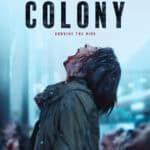
The zombie genre has seen some shifting tides lately, moving away from the frantic fever of a decade ago. While we may be exploring new cinematic frontiers, there’s always a lingering desire for visceral, flesh-eating action. And when it comes to delivering that gut-punch experience, the master of the genre, Yeon Sang-ho, is back to redefine what the undead can be.
His earlier masterpiece, Train to Busan, established the genre as an emotional experience, reflecting the societal anxieties of its time. But in his latest work, Colony, Sang-ho isn’t just creating monsters; he’s using them as a mirror to our current collective fears. He argues that the true power of a zombie film lies in reflecting the hidden, undercurrent fear of society itself. When making Train to Busan, he focused on the specific social and emotional turmoil of Koreans. For Colony, the focus shifts to modern anxieties: the breakneck speed of information exchange, the growing collectivism, and the threat of losing individual identity in an increasingly digitized world. Ultimately, the film serves as a powerful warning that our individuality should not be rendered powerless.
This evolved philosophy is reflected in how the zombies themselves are portrayed. Unlike previous iterations where the threat was purely physical, the creatures in Colony are defined by their collective intelligence. Sang-ho sought to manifest this unified thinking through movement rather than relying heavily on computer-generated imagery. To achieve this, he collaborated with three separate avant-garde dance teams, emphasizing that the movements demonstrated a coordinated, almost harmonious intelligence, much like a group of musicians playing a symphony.
The result is a truly unique brand of the undead—a visual spectacle where the horde moves with the unified strength of Voltron. This was achieved through masterful practical effects and choreography, utilizing the bodies of the dancers to create sequences of unsettling, coordinated motion. The visual impact is staggering, proving that some of the most terrifying horror comes from shared, synchronized existence rather than mere gore.
Adding to the film’s depth is the stellar cast. Sang-ho’s collaboration with actor Koo Kyo-hwan, who played the exceptionally smart main antagonist, Seo Young-chul, speaks volumes about the vision. Kyo-hwan, being a filmmaker himself and a devotee of subculture genres, brought an innate understanding to the role, allowing Sang-ho to achieve a powerful, nuanced performance.
Whether exploring societal fear or the mechanics of collective intelligence, Colony is more than just a zombie thriller. It’s a thought-provoking cinematic experience that uses the horror framework to tackle profound modern questions about community, identity, and the fragility of the individual.
Professor Se-jeong finds himself thrust into a bloody nightmare when a rapidly mutating virus erupts during a biotech conference. Trapped inside a sealed facility, he and a small group of survivors must fight to stay alive as the infected undergo horrific transformations. Don’t miss this evolution of the zombie story.
Buy on Amazon
Credit