Garfield’s Gay Spider-Man Belief
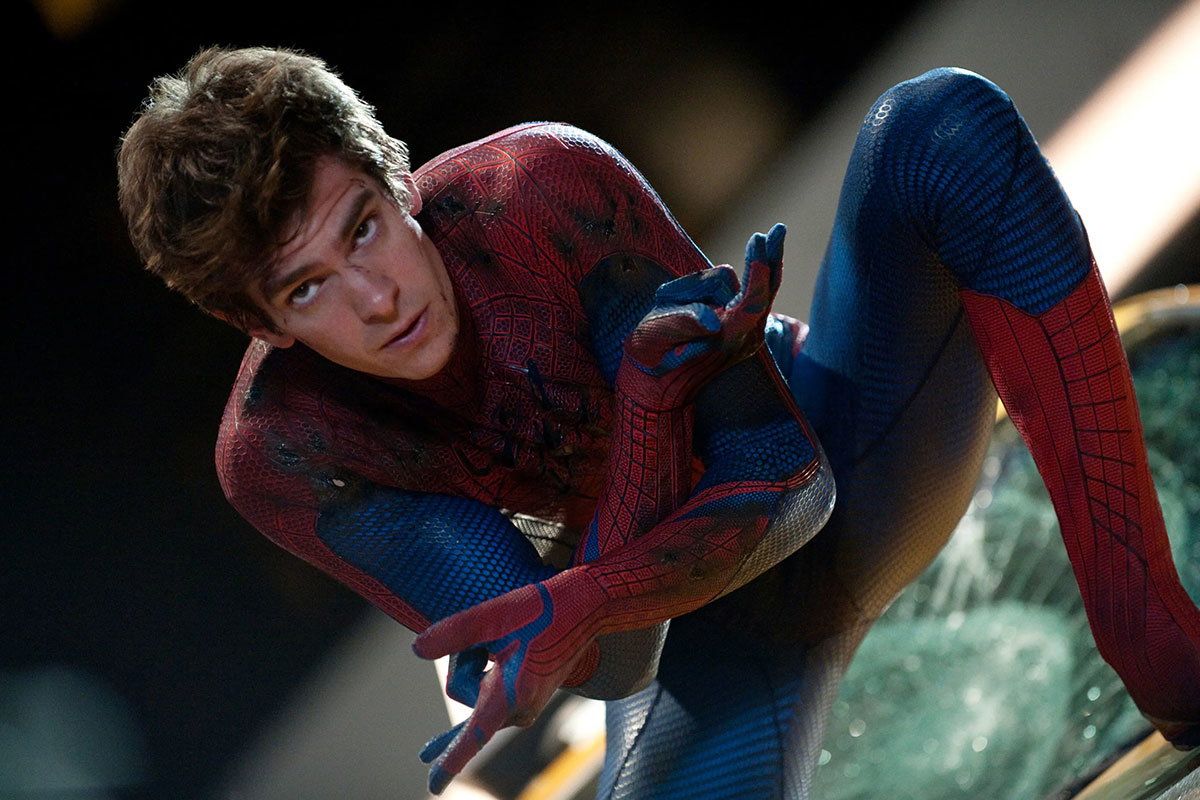
The Long Wait for a Gay Spider-Man: How a Fictional Wish Shaped an Icon
In the early 2010s, while promoting The Amazing Spider-Man 2, actor Andrew Garfield sparked a fascinating, and sometimes fiery, conversation about the identity of Peter Parker. The question that emerged was simple yet profound: why hadn’t the iconic hero been portrayed as gay?
During an interview, Garfield discussed the possibility of gender-swapping Peter Parker’s romantic interest, Mary Jane Watson. He joked about the possibilities, suggesting that the character’s sexuality was simply unexplored. He even pitched the idea of casting Michael B. Jordan in the role of MJ, highlighting the appeal of “interracial bisexuality” within the context of the character.
This line of speculation, though presented with a humorous, rebellious edge, generated immediate and intense reactions across social media, dividing fans and sparking spirited debate about representation in popular fiction.
The conversation about Spider-Man‘s identity took an unexpected turn when Sony Pictures revealed mandatory contract clauses for the character. These stipulations mandated that Peter Parker be portrayed as a Caucasian male and strictly heterosexual, raising a contrast between the personal desires expressed by actors and the rigid constraints placed on a major franchise.
Despite these formal limitations, Garfield maintained a core belief about the character. When reflecting on the comments, he insisted that the heart of Spider-Man lies in its universality. He argued that the character’s enduring appeal stems from the fact that it transcends skin color, gender, and sexuality, allowing anyone to project themselves into the suit.
“It was an exercise in rebellion that I felt passionate about,” he shared. “I just still believe that anyone can be in that suit. That’s the point of why it’s such a kind of universally beloved character… you don’t see skin color, you don’t see gender, you don’t see sexuality.”
The journey toward broader representation continues in the cinematic landscape. While the original timeline featured Peter Parker as strictly heterosexual, subsequent adaptations are actively exploring these themes. Live-action Spider-Man Tom Holland has already shown interest in diversifying the character, signaling a desire for more inclusive stories. Furthermore, Marvel Comics officially introduced Web-Weaver, the canon’s first-ever gay Spider-Man, in 2022, adding a layer of identity to the universe.
As the conversation around representation continues to evolve, the hope remains that the stories we tell—both on screen and in our discussions—will reflect the full spectrum of human experience. The idea that anyone can inhabit the mask of Spider-Man is a powerful reminder of the character’s limitless potential.
Buy on Amazon
Credit