George Lucas Walks Away From Star Wars
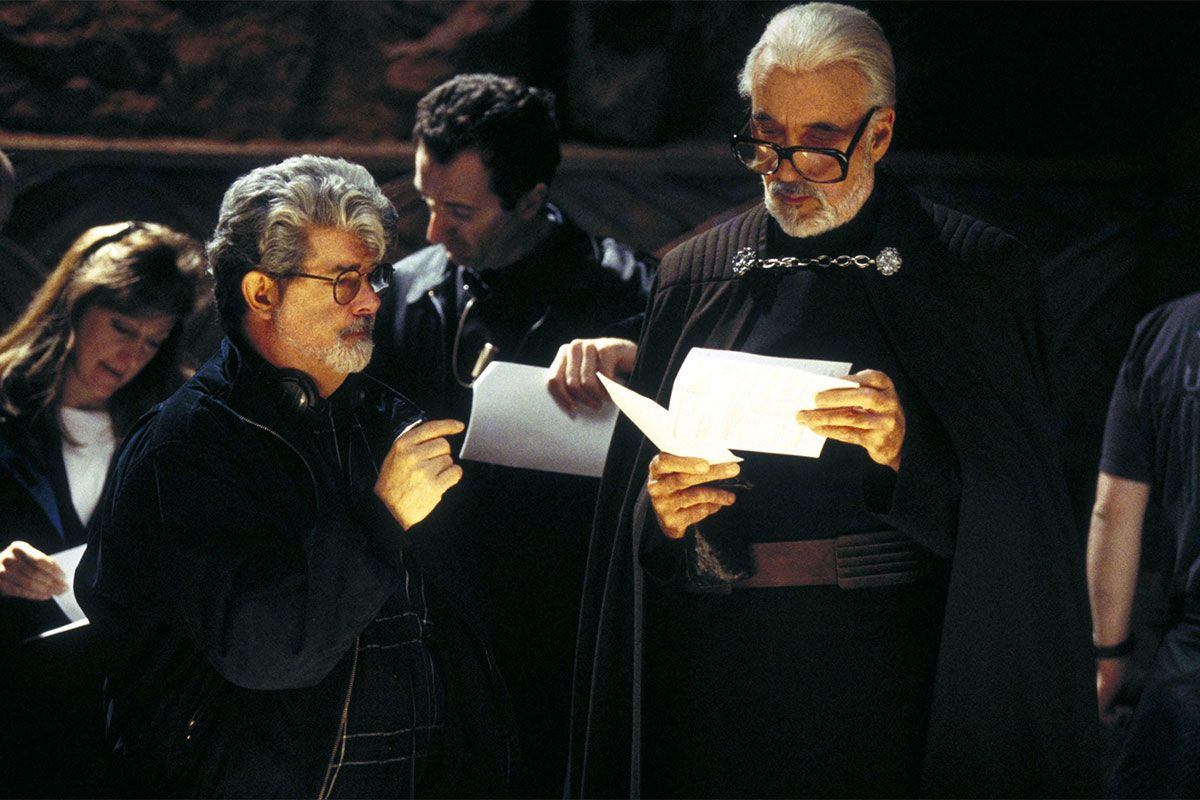
When the creator of the galaxy far, far away decided to step away from the saga he helped define, the ripple effects were significant. In 2012, George Lucas famously walked away from the Star Wars franchise he created, selling Lucasfilm to Disney. This decision immediately put several ambitious projects on hold, altering the trajectory of the cinematic universe.
Among the projects that faced cancellation was the lavish television series Star Wars Underworld. Producer Rick McCallum revealed that the project had amassed around sixty episode scripts at the third-draft level before it was scrapped, illustrating the sheer scale of creative ambition that had been sidelined.
Even more notable was the long-gestating film sequel trilogy, a vision Lucas himself had been planning to pursue. By 2020, it was clear that Lucas had already laid groundwork for this trilogy, engaging with actors and preparing the necessary technology before the sale.
At the time, Lucas, aged in his late sixties, reflected on the immense demands of filmmaking. He realized that continuing the creative marathon would consume another decade of his life. Instead, he chose a different path: raising his young daughter and pursuing a lifelong dream of building a museum.
This dream materialized with the opening of the Lucas Museum of Narrative Art, a space dedicated to exploring the intersection of story and visual arts. In a recent interview, Lucas shared his rationale for retiring from the industry:
“Well, I’m 82, so there is a limit to – when I did this, I decided to retire from making movies, which was a big deal because I had three more ‘Star Wars’ to make. But I realised that I was running out of time, and I did want to make this museum, and I’d spent a lot of time developing digital technology for the movie business. You know, all art depends on technology.”
Lucas highlighted a key philosophical difference between fleeting cinema and enduring architecture. He noted that while films eventually fade away—a movie released in six weeks is gone—the museum offers permanence. “The advantage of architecture is it lasts. A movie comes out, six weeks, it’s gone,” he explained.
Despite Lucas’s absence, the franchise continued. A sequel trilogy was eventually produced between 2015 and 2019, and while it was completed, it received a decidedly mixed reception. Now, as the franchise celebrates its 50th anniversary next year, the original theatrical version of Star Wars from 1977 is set to return to cinemas in February, marking a powerful moment for a legendary cinematic legacy.
Buy on Amazon
Credit
