
Gibson Reveals How Passion Follow-Ups Went English
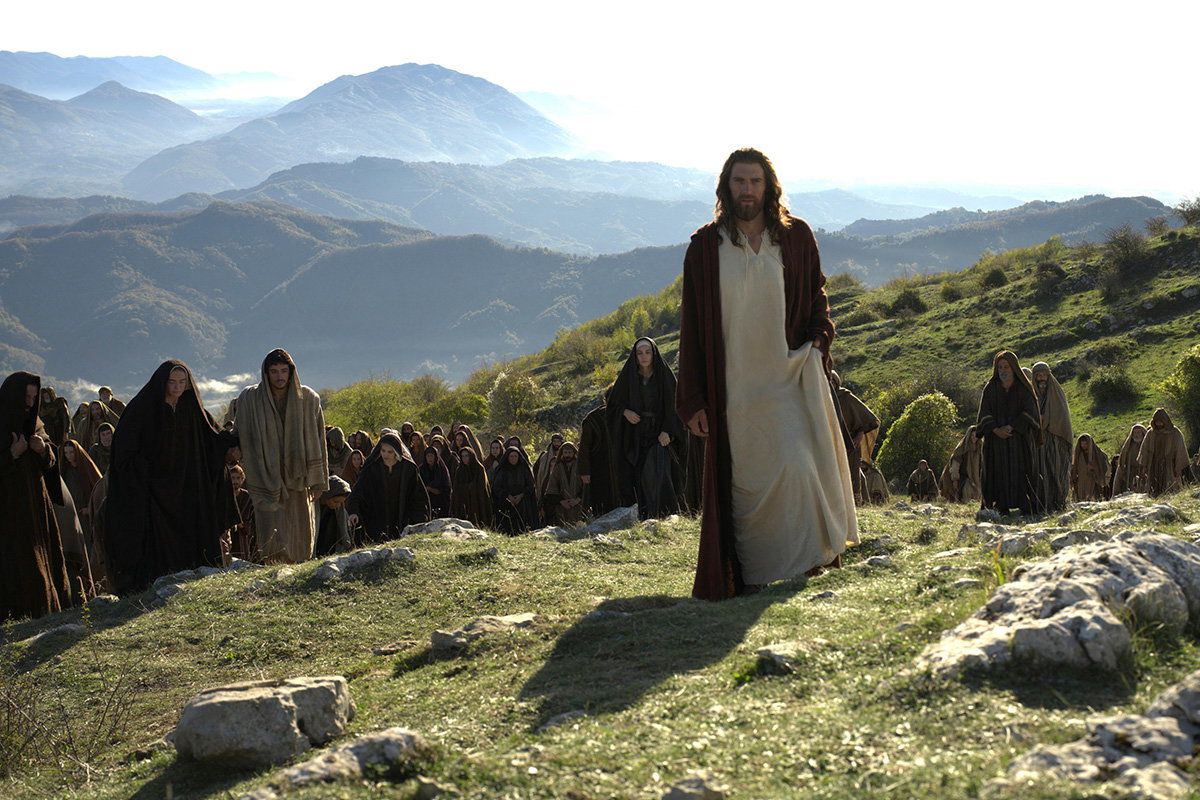
Mel Gibson’s Epic Journey: Reimagining Scripture in Two Cinematic Acts
After years of anticipation, Mel Gibson’s ambitious follow-up to The Passion of the Christ is finally hitting the screen, recently filmed in Rome. This monumental project is not a single film, but a two-part epic titled The Resurrection of the Christ, currently deep in post-production and promising a profound cinematic experience.
One of the most significant changes introduced for this sequel is the approach to accessibility. Unlike the original 2004 feature which utilized Aramaic and Latin vocals, the new two-part series will use an English-language audio track. This decision was rooted in ensuring that such intensely complex theological material could be processed by a global audience without the barrier of foreign subtitles.
Gibson explained that distilling such profound spiritual material for viewers requires direct access. “They’re both in English because the subject matter and just the theological download you have to go through is so complex that I don’t think people would like to have to read it in subtitles in a foreign language,” he noted during a recent discussion. He emphasized that tailoring the narrative to the vernacular allows audiences to digest the difficult truth immediately, acknowledging the sheer difficulty of understanding the event itself.
The vision behind this epic was developed over nearly a decade. Gibson collaborated with Randall Wallace, director of Braveheart, and his brother to shape the script, establishing a clear division into two distinct but complementary narratives. This structure was built into the foundation of the project, allowing each film to stand as an individual masterpiece while ultimately completing a singular story.
Logistically, the scale of this undertaking is immense. Each of the two feature films is reportedly budgeted around $125 million. The production schedule is set for release in 2027 and 2028: Part One is slated for May 6th, 2027, followed by Part Two on May 25th, 2028.
This ambitious project demonstrates a commitment to tackling complex religious themes through high-caliber filmmaking. By choosing an English approach, Gibson sought to bridge the gap between historical narrative and spiritual depth, presenting a monumental story that is both deeply moving and universally accessible.
Credit