Imperium 3 hours of Soviet visual history
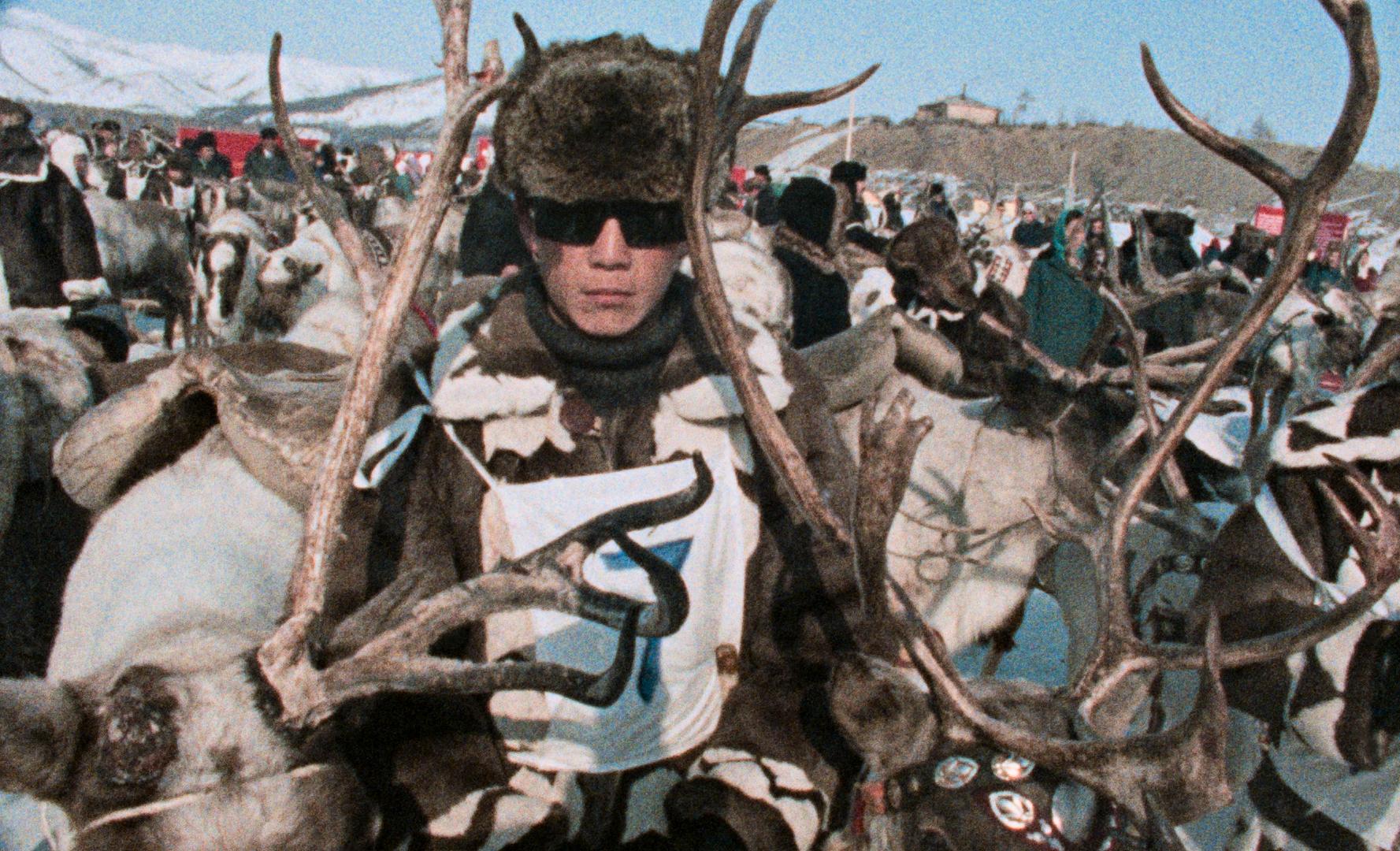
In the early 1970s, a unique cinematic phenomenon unfolded as Italian film crews ventured across the vast expanse of the Soviet Union. What they discovered was not just a landscape, but a sprawling, multicultural empire, a mosaic of human experience that few outsiders had ever witnessed in such striking diversity.
These international cameras set out on an ambitious mission, seeking to document the breadth and complexity of the Soviet polity. They moved beyond the familiar, often overlooked narratives, capturing the true tapestry of life from the city streets to the deepest reaches of the countryside.
The scope of this visual exploration was staggering. Filmmakers were immersed in a reality where contrasts were the rule, not the exception. They chronicled everything from the hurried rhythms of urban commuters navigating the bustling centers to the idyllic scenes of village fêtes celebrating local traditions.
The visual narrative encompassed an incredible spectrum of life—a journey that linked the modern and the ancient. One could follow the story of Baku trawlers navigating the icy waters and the stark, enduring life of Siberian reindeer herders.
These images challenged the prevailing Western perception of the USSR. At a time when the Soviet Union was often cast in a gray, monolithic image, these foreign lenses revealed a vibrant, multifaceted reality. They exposed the sheer, breathtaking diversity that underpinned the Soviet experiment, showcasing a nation defined by profound, visible difference.
The resulting filmwork became a powerful testament to the hidden cultural wealth of the Soviet peoples, turning the USSR into a living, breathing portrait of human complexity. It was a visual revelation that redefined how the world—and the Soviet Union itself—was understood.
Buy on Amazon
Credit