
Jack the Ripper Refashioned as Found Footage Horror
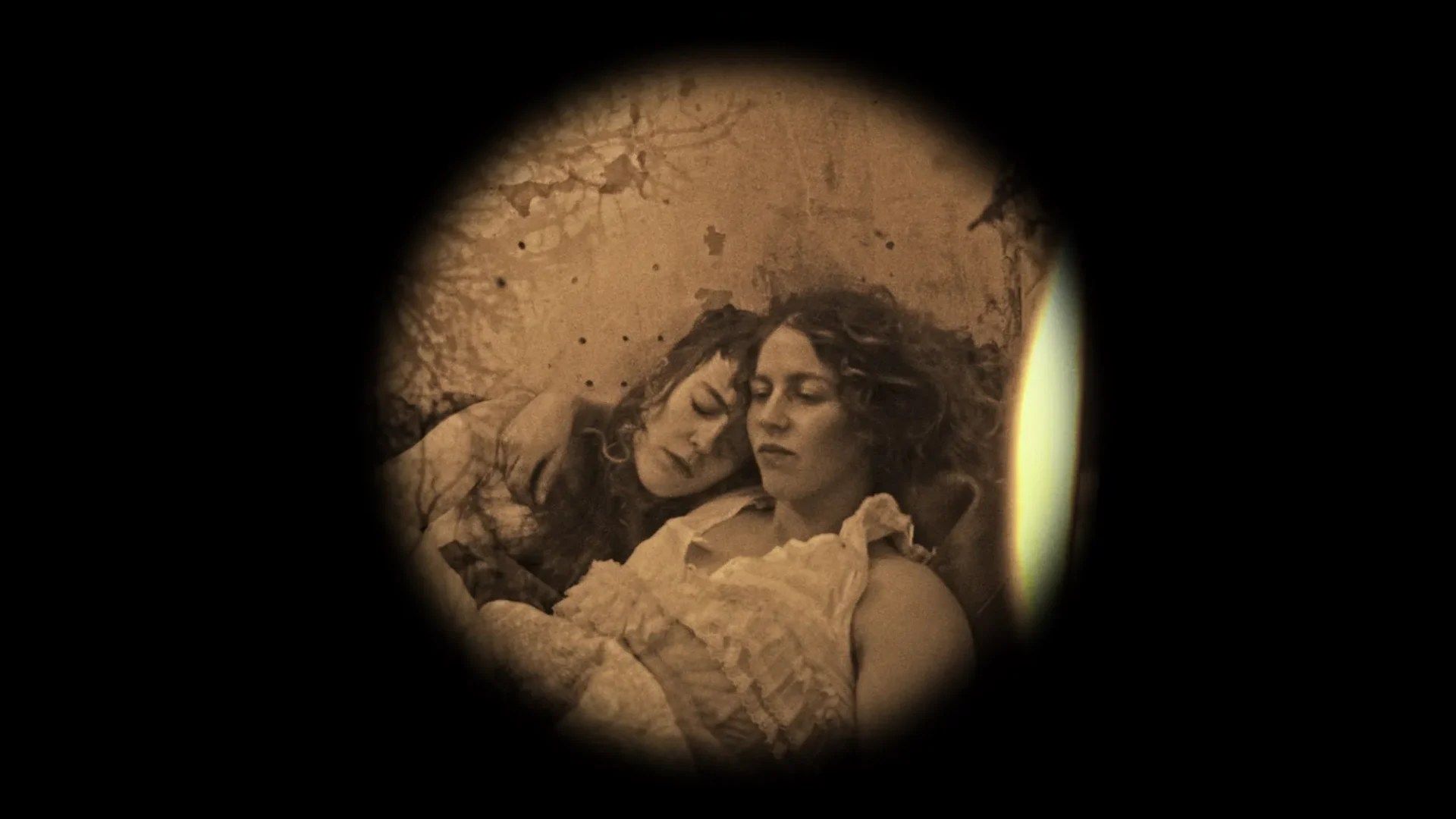
The world of horror cinema is often saturated with familiar tropes, and the found footage format, while popular, risks becoming a stale gimmick. Yet, amidst this familiar landscape, a low-budget British indie film titled Snapshot manages to inject a fresh perspective into the genre, challenging expectations with its unique aesthetic.
The film doesn’t reinvent the wheel in terms of narrative, but it offers a compelling visual experience by focusing intently on the technical presentation. It takes the foundation of found footage and recontextualizes it through a distinctive visual filter.
At the heart of this refreshing approach is the film’s masterful emulation of 19th-century pinhole photography. By adopting this historical photographic style for the entire film, the creators craft an atmosphere that is immediately intriguing and deeply atmospheric.
This technical choice is more than just a stylistic flourish; it transforms the viewer’s experience. Instead of simply watching events unfold, the audience is invited to look at the narrative through the lens of historical, imperfect photography, adding a layer of tangible texture to the narrative.
While some might argue that this technique amounts to layering another technical gimmick over the core story, the results are undeniably striking. The film leverages its visual constraints to create tension and an undeniable sense of authenticity.
Ultimately, Snapshot proves that even the most well-worn cinematic concepts can be revitalized. By embracing a deliberate, unique technical approach, the film delivers a visually arresting and memorable experience that stands out in the crowded horror landscape.
Buy on Amazon
Credit