
Krumholtz removes retirement post
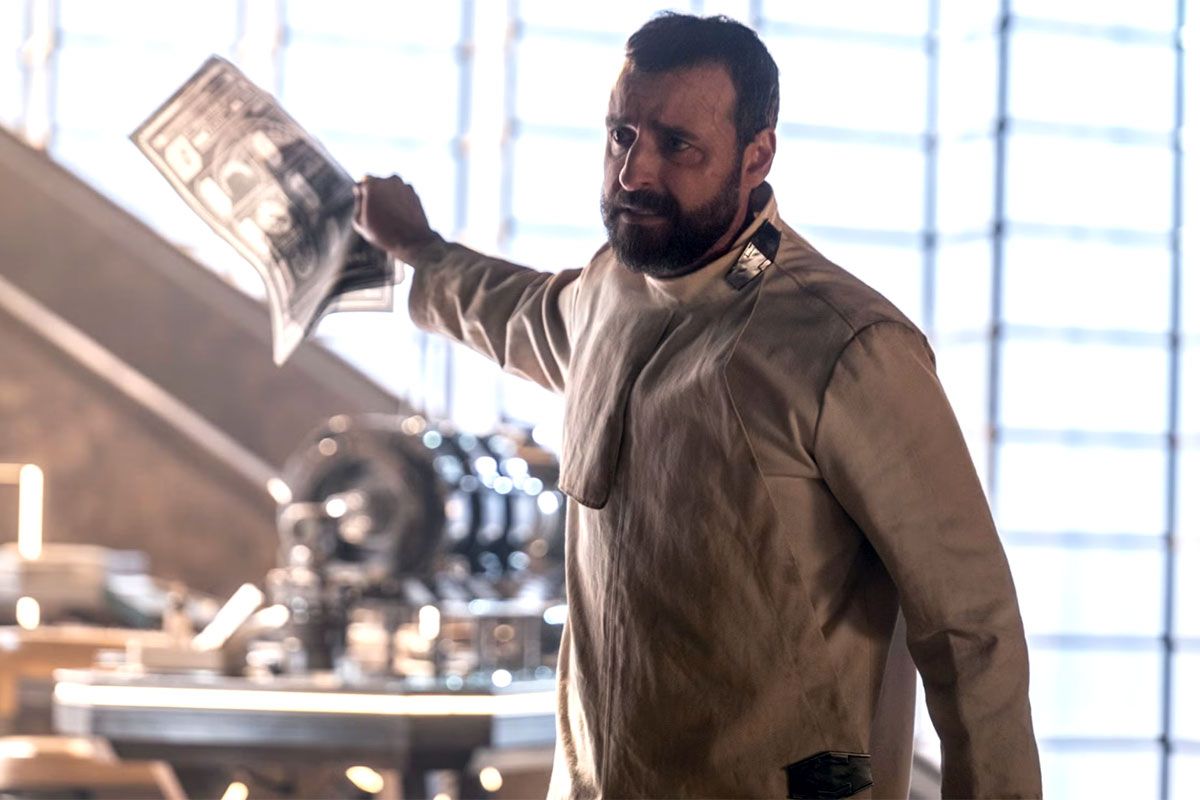
David Krumholtz, the actor known for bringing gravitas to roles like Zor-El in Supergirl”>Supergirl, recently threw a curveball into Hollywood, signaling a desire to step away from the industry altogether. What began as a candid social media post quickly spiraled into a public discussion about the true cost and nature of acting in today’s commercial landscape.
The actor posted on Threads indicating he was ready for a “new life,” expressing palpable frustration with the realities of securing roles in Hollywood. While he clearly still loved the craft of acting itself, his comments pointed to a deep dissatisfaction with the industry structure, suggesting that the pursuit of roles often felt less like artistic expression and more like a transactional exchange.
Krumholtz articulated a strong philosophical stance regarding artistic compensation. He argued that if he continued to fight for parts, he would be pursuing roles that exploited his talent for significantly diminished returns. He asserted that “exploitative art isn’t art,” insisting that artists deserve a fair pay percentage for work that helps employers generate profits. He reflected on a time when major studios and networks were less like massive corporate entities and more like small businesses.
This bold statement quickly generated speculation about his intentions. Before he could fully settle on his next chapter, Krumholtz deleted the posts, leaving behind a lingering question about whether this was a genuine retirement announcement or simply a momentary expression of industry fatigue.
The ripples from this post were amplified by the history of his prolific career. Krumholtz has amassed an impressive portfolio, having appeared in over one hundred film and television projects. His filmography spans beloved comedies like Superbad”>Superbad and Harold & Kumar Go to White Castle>, alongside more serious dramatic works such as The Santa Clause> and The Ice Storm>.
His recent work showcased his range and depth, notably his portrayal of Isidor Isaac Rabi in Christopher Nolan’s Oppenheimer>, for which he received positive critical notices. This continued success highlights an actor who has consistently delivered compelling performances across various genres.
The murmurs of departure were not entirely new. Longtime friends and colleagues have previously discussed his career choices; for instance, Seth Rogen, who worked with Krumholtz on projects like The Studio> at Apple, had previously indicated that Krumholtz was planning to quit acting.
Ultimately, Krumholtz’s public display served as a reminder that even seasoned performers grapple with the complex balance between artistic ambition and commercial viability. His story is a compelling illustration of the ongoing conversation about the value of art, the economics of the entertainment industry, and the personal quest for creative fulfillment.
Buy on Amazon
Credit