Lee Chang-dong, Jeon Do-yeon, Sul Kyung-gu on ‘Possible Love’ themes of class and desire
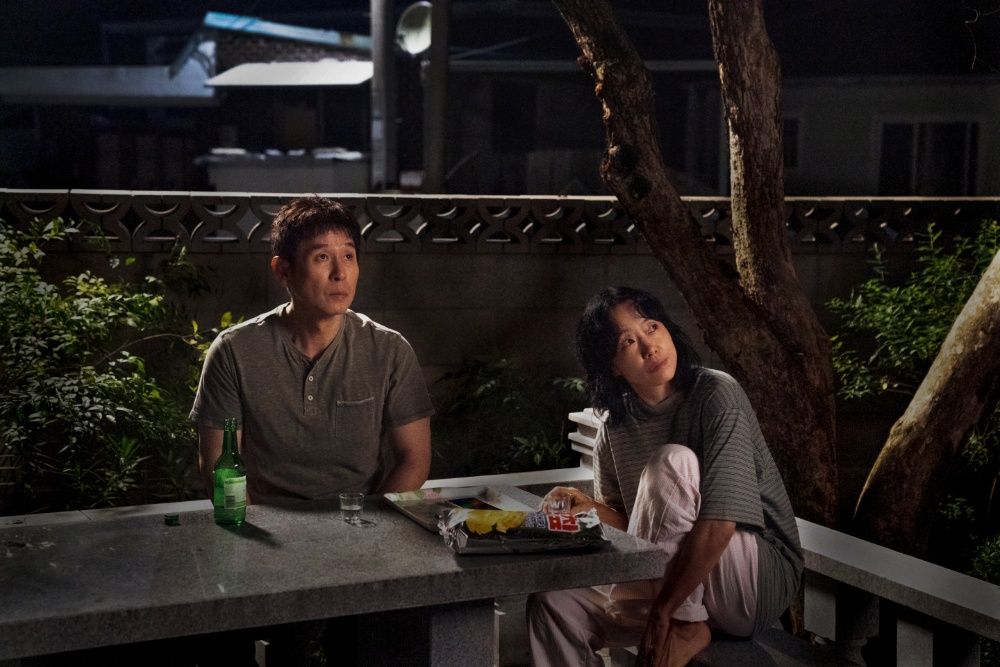
Every profound love story, in the storytelling of Korean auteur Lee Chang-dong, often carries a hidden, heartbreaking truth: the love that exists is one that cannot be realized. It is a narrative perpetually shadowed by the insurmountable barriers of class, status, or unforgiving fate.
Lee Chang-dong’s work has consistently delved into the agonizing space where personal desire clashes with societal structure, exploring how external forces dictate the trajectory of human connection. His cinema does not merely observe relationships; it scrutinizes the architecture of societal constraints that secretly prevent true happiness from blooming.
Now, his latest film dares to flip this paradigm, challenging the audience to ask the very opposite question. It forces a confrontation with the possibility of love existing outside the boundaries society has drawn for it.
This ambitious cinematic endeavor is the culmination of a journey that spanned more than two decades, drawing upon a rich, abandoned script rooted in the stark reality of a 2009 workers’ strike. This historical and personal backdrop provides the perfect stage for an exploration of resilience, injustice, and the enduring power of human emotion amidst systemic hardship.
The film utilizes this potent history to examine how socio-economic realities act as invisible walls, making the pursuit of genuine affection an act of profound rebellion. It turns the pain of the past into a lens through which to view the present, suggesting that the most intense loves are often forged in the crucible of shared struggle.
Through Lee Chang-dong’s masterful gaze, the story shifts from lamenting lost potential to celebrating the raw, defiant persistence of the human heart. It is a powerful testament to the idea that even when fate seems set against desire, the capacity for deep, meaningful connection remains an unstoppable force.
Buy on Amazon
Credit