Miserable Jim Parsons during Big Bang Theory peak
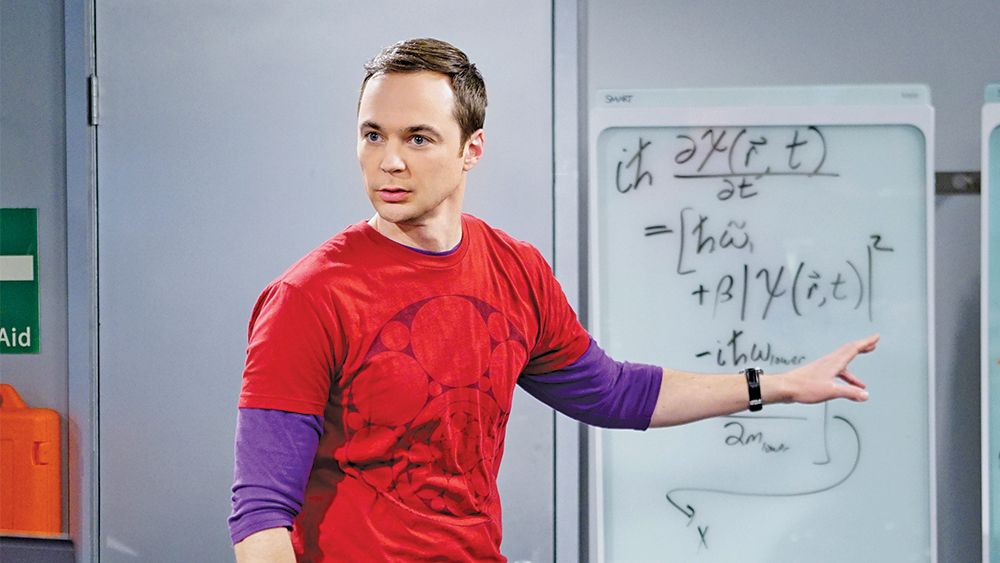
The Paradox of Perfect Moments: Jim Parsons on Fame and Feeling Miserable
For millions of viewers, the world of “The Big Bang Theory” represents a pinnacle of television success—a comedic phenomenon that spanned years and became a cultural touchstone. Yet, behind the glittering façade of a long-running hit show, some of its stars grapple with the complex reality of fame. Actor Jim Parsons recently opened up about this paradox, revealing a stark and reflective insight into his experience during the height of his stardom.
Speaking on the “All Out with Jon Dean” podcast, Parsons shared a candid perspective that pulled back the curtain on the often-hyped life of a television celebrity. He admitted that during the peak of his time on screen, he experienced periods of profound unhappiness.
Parsons didn’t frame his feelings as a simple reaction to fame; rather, he offered a deeper contemplation about the nature of happiness itself. “I look back now and realize that there were many ways, at some of the best moments of my life, I was miserable,” he confessed.
This admission speaks volumes about the often-contradictory relationship between public perception and private emotional experience. It suggests that even amidst seemingly perfect milestones or celebrated achievements, the internal landscape can be far more complicated than the external narrative allows. The weight of expectation, the relentless scrutiny, and the demands of a high-profile career can sometimes overshadow genuine contentment.
His reflection serves as a poignant reminder that the spotlight, while brilliant, doesn’t automatically guarantee inner peace. It encourages an honest look at the human condition—that even those living celebrated lives navigate complicated emotional terrain. Parsons’ comments add a much-needed layer of vulnerability to the story of a massive television success, proving that behind every iconic character lies a deeply human struggle for fulfillment.
Buy on Amazon
Credit
