Nolan: What the Director Is, Is The Audience
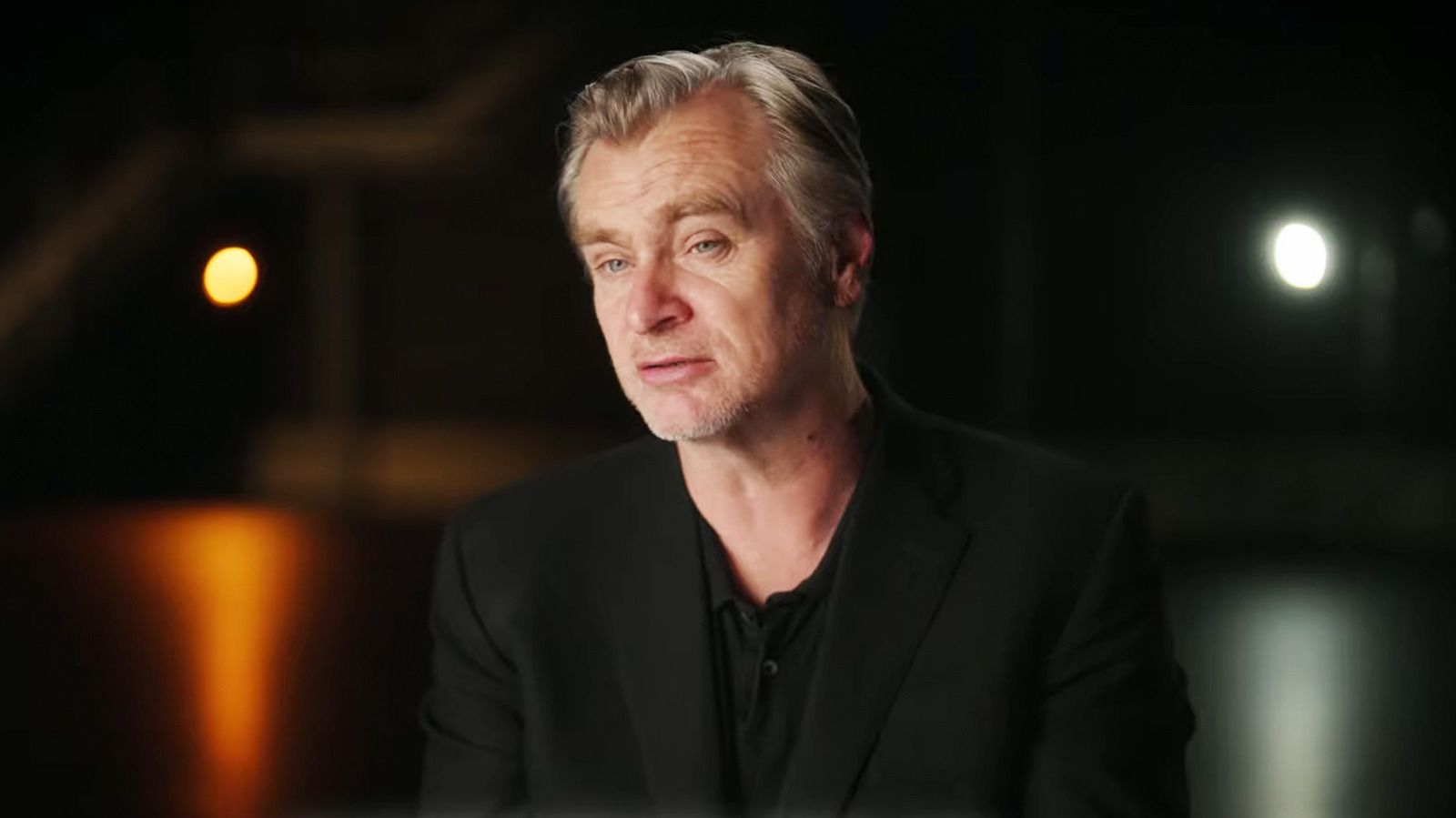
The Architect of Reality: Christopher Nolan on the Art of Directing
In a world often defined by fleeting moments and subjective experiences, there are filmmakers whose work doesn’t just tell stories—it redefines reality itself. For Christopher Nolan, the master architect behind some of cinema’s most ambitious and mind-bending works, the act of directing transcends mere storytelling; it is an exercise in manipulating time, structure, and human perception.
When asked to distill his philosophy on what it truly means to be a movie director, Nolan’s response moves far beyond simple technical skill. It delves into the profound responsibility of shaping narrative space and controlling the audience’s experience. For him, directing is less about assembling scenes and more about constructing complex, immersive systems where logic bends and emotional weight accumulates.
Nolan’s approach is characterized by a relentless pursuit of structure. He doesn’t simply tell a story; he builds a meticulously engineered environment—a cinematic universe built on temporal paradoxes and psychological depth. This method requires the director to function as both the storyteller and the theoretical physicist, crafting narratives that demand intellectual engagement while simultaneously stirring deep human emotion.
The challenge for Nolan is always how to make the abstract tangible. His films frequently grapple with concepts like memory, consciousness, and the linearity of time. By employing non-linear narrative structures, he forces the audience out of passive viewing and into an active participation in solving the puzzle of the film’s internal logic.
This emphasis on structural integrity is what separates his directorial vision. It requires an extraordinary level of foresight—the ability to map out vast, intricate cinematic landscapes before the first frame is ever shot. Directing, in Nolan’s view, is fundamentally about imposing order onto chaos, using the tools of film to explore the very nature of human existence.
Ultimately, Christopher Nolan’s journey as a director reveals that the true art lies not just in capturing an image, but in creating an experience so compelling that it fundamentally alters how we perceive the world around us. He doesn’t just guide actors; he engineers entire realities for us to inhabit, proving that a director is, in essence, a master constructor of perceived truth.
Buy on Amazon
Credit