Nolan’s Odyssey Transforms the Cyclops Showdown
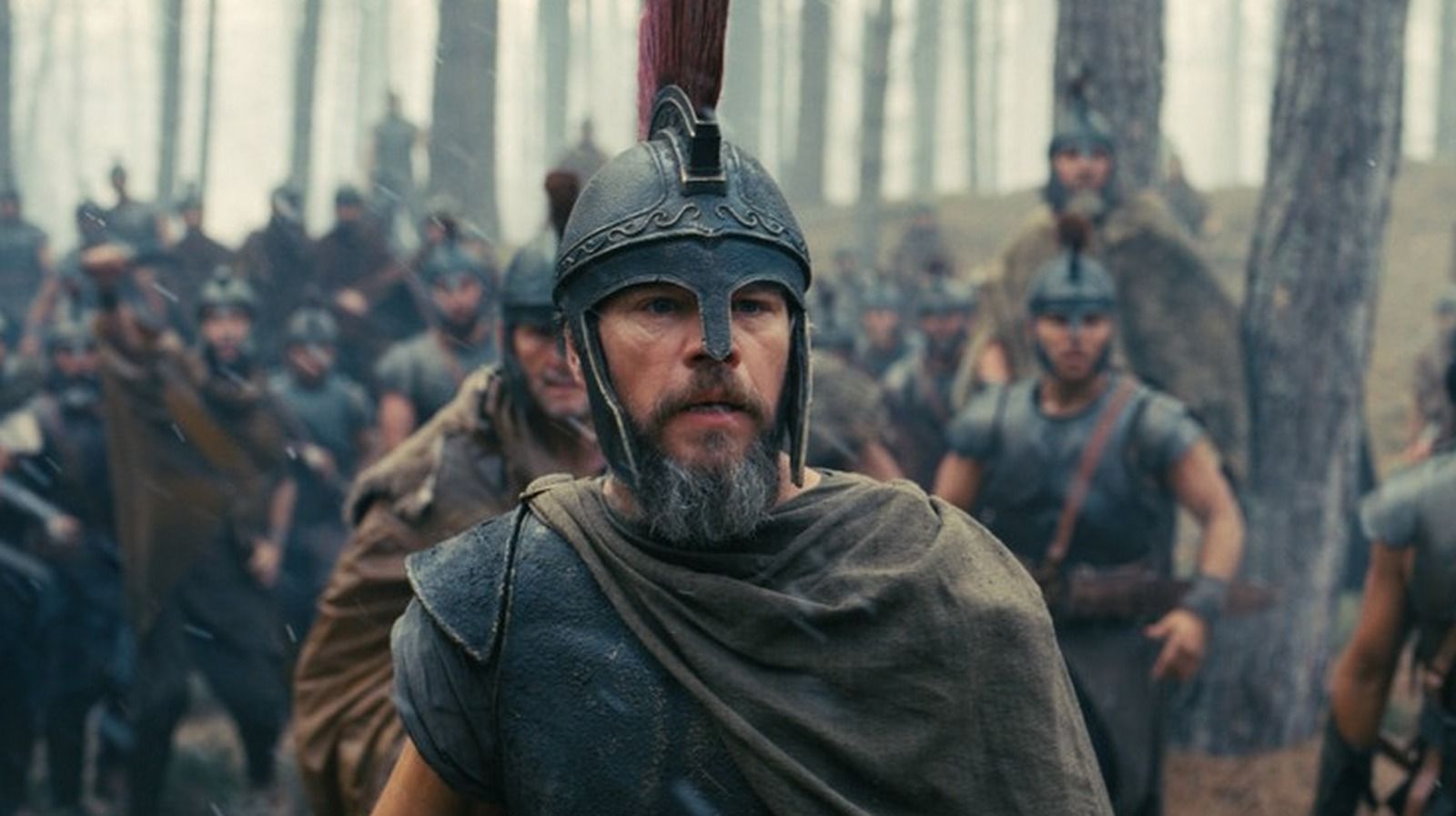
In the grand tapestry of cinematic epics, certain moments are etched into our collective memory as defining points—the pivotal confrontations, the dramatic turning points that anchor an entire saga. Yet, even in monumental adaptations of ancient myths, sometimes the most celebrated scenes must take a backseat to practical considerations.
This is precisely the subtle reality behind Christopher Nolan’s The Odyssey: a masterwork of storytelling that navigates treacherous seas and complex human drama. However, when we examine one of its most anticipated moments—Odysseus’ iconic confrontation with the Cyclops—we find an unexpected asterisk.
It is a story of myth, strategy, and sheer physical conflict, yet this particular showdown, arguably one of the most famous sequences in Western literature, has been deliberately omitted from the film. The reason? It boils down to a simple but fascinating constraint: language.
The production team faced an insurmountable hurdle attempting to translate the raw intensity and specific dialogue of that pivotal interaction into the cinematic medium without sacrificing authenticity or flow. Adapting complex ancient dialects while maintaining the necessary dramatic pace proved an impractical challenge, leading to a conscious decision regarding this famous scene.
Ultimately, this choice is less about storytelling ambition and more about technical fidelity. The filmmakers prioritized a coherent narrative experience, recognizing that attempting to perfectly replicate the linguistic nuances of the ancient world in such a high-stakes cinematic setting would have risked diluting the overall impact of the epic.
It serves as a reminder that even in modern blockbuster filmmaking, the boundaries between artistic vision and practical execution remain delightfully complex. Sometimes, what is left out is just as meaningful as what is shown, offering a fresh perspective on how history is translated onto the screen.
Buy on Amazon
Credit