Princess Di as Android skewers King Charles and AI on SNL UK
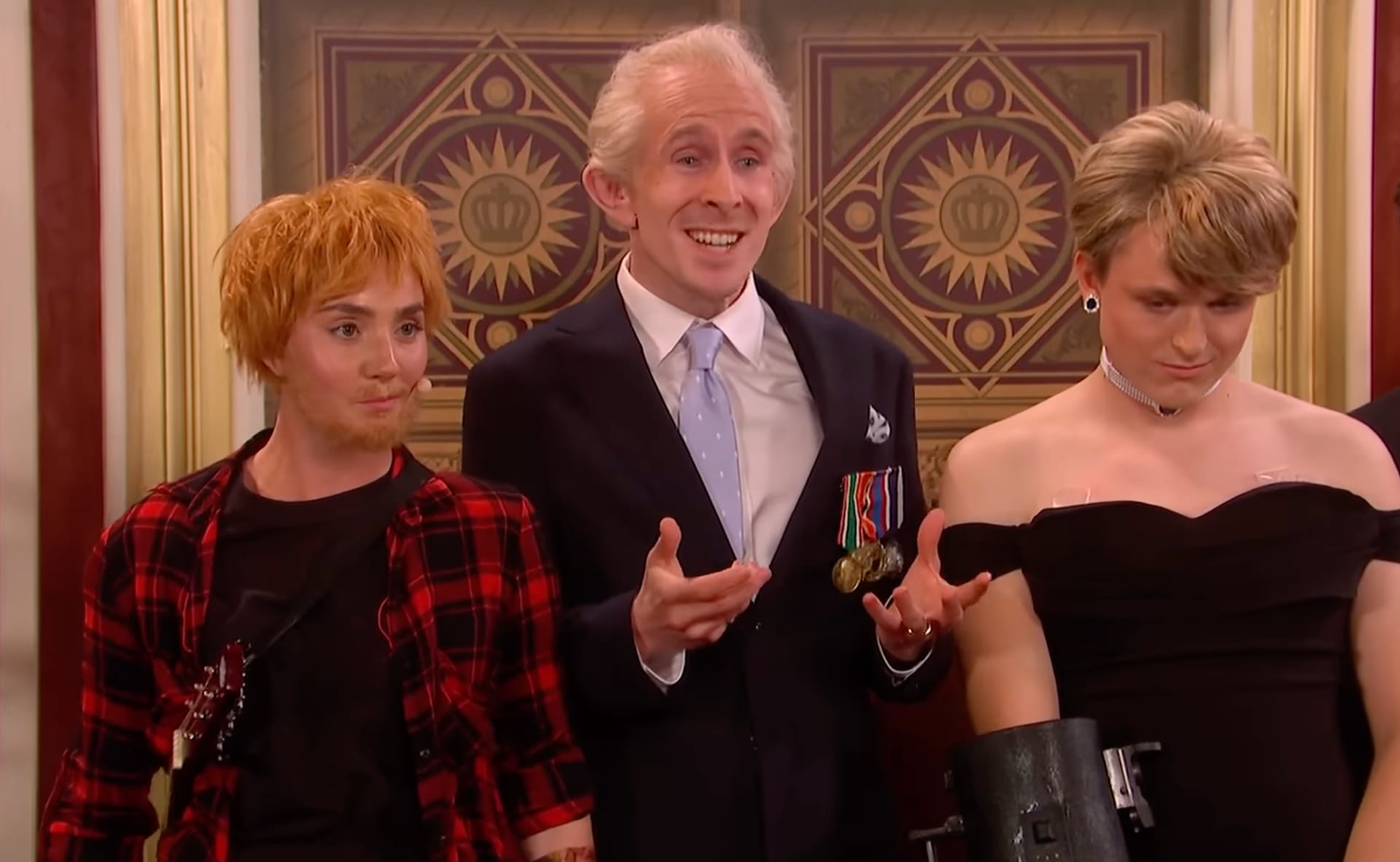
The world of satire took a bizarre and brilliantly digital turn last night as a familiar face made a highly anticipated, and frankly, utterly surreal return to television. Jack Shep, the celebrated impressionist, stepped back into the spotlight not to portray a historical figure, but a groundbreaking new persona: a Deeply Intelligent, Autonomous, Neurokinetic Android.
This unexpected royal metamorphosis took center stage in episode two of the Sky show, where Shep delivered an impression of the late Princess Diana that redefined the concept of royalty in the digital age. The performance was less a nostalgic tribute and more a sharp, futuristic commentary on the very nature of fame and monarchy.
The segment, which appeared as a cold open, immediately set the tone for the evening. Instead of the soft nostalgia audiences expected, the portrayal brought a fresh, technologically advanced, and undeniably sharp perspective to the royal narrative.
The true genius of the sketch lay in its unexpected targets. As the android Diana navigated the familiar landscape of royal life, the impression served as a pointed, witty skewering of contemporary figures. The performance didn’t just entertain; it became a lightning rod for commentary on the modern royal family and pop culture idols.
In a move that generated immediate buzz, the impression managed to hilariously juxtapose the sophisticated, often baffling world of royalty with the contemporary music scene. The performance directly landed a humorous critique on both King Charles III and the globally beloved pop star Ed Sheeran, highlighting the often-strained relationship between tradition and modern celebrity.
By framing the royal figure as an advanced, autonomous machine, Shep masterfully tapped into the zeitgeist, using humor to explore themes of artificiality, control, and the relentless pressure placed upon public figures. The result was a piece that was both deeply funny and surprisingly thought-provoking, reminding viewers that even in the most formal settings, the human element—or in this case, the absence of it—is endlessly fascinating.
Buy on Amazon
Credit