Star Trek Admirals Are Evil An Investigation
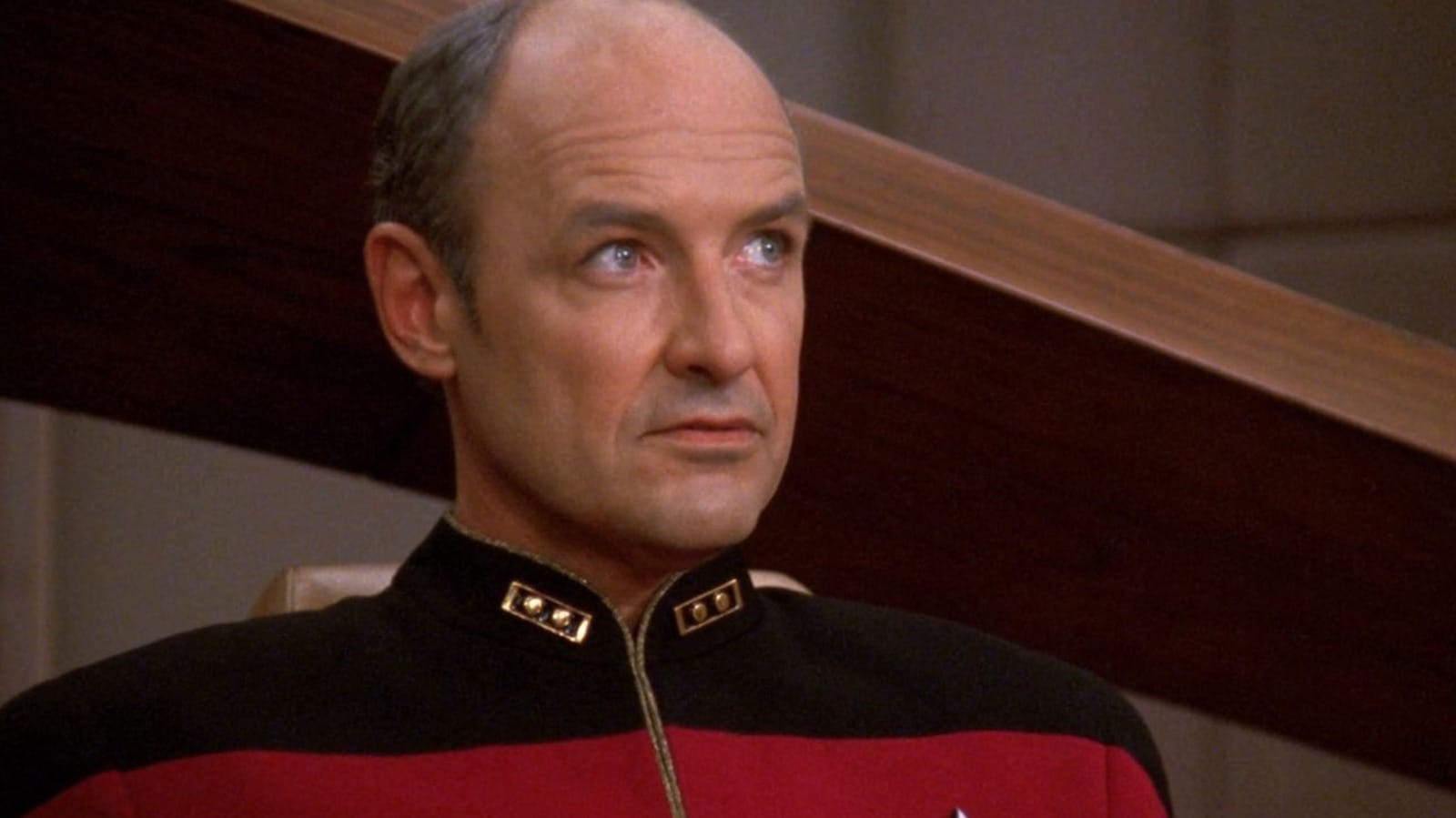
The Admiral Paradox: Why Command in Star Trek Always Means Trouble
If you ever find yourself navigating the corridors of the Starfleet command structure, you’ll notice a certain pattern: the Admiral is rarely a picture of serene, unquestioning authority. Instead, they often stand at the nexus of immense power, existential responsibility, and deep-seated moral ambiguity. In the vast, futuristic universe of Star Trek, the archetype of the Admiral isn’t just a rank; it’s a walking narrative trap, and the frequency with which these high-ranking officers are embroiled in questionable activities is perhaps one of the most enduring and entertaining paradoxes of the franchise.
Why does this pattern of shady behavior define the high command? It stems from the sheer weight of command itself. An Admiral is tasked with safeguarding entire starships, managing complex diplomatic relations across galaxies, and making life-or-death strategic decisions. This level of responsibility naturally breeds tension, paranoia, and a willingness to bend rules—or break them entirely—when the stakes are high enough. They operate in a space where ethical grey areas are not just tolerated but often necessitated by the chaotic nature of interstellar conflict.
Furthermore, the narrative demands complexity. For a story to be compelling, the protagonists—and their antagonists—must be flawed. An Admiral, sitting atop the hierarchy, is the perfect vessel for exploring the dark side of authority. They embody the tension between the ideal of Starfleet’s moral code and the brutal realities of political maneuvering, resource scarcity, and the endless battle against external threats. This inherent duality ensures that every command, every strategic move, is layered with potential conflict.
The shadowy nature of high command is simply a reflection of the universe itself. When dealing with interstellar politics, the lines between duty and expediency are often blurred. Decisions made by Admirals are rarely purely altruistic; they are complex calculations balancing peace, survival, and political gain. This forced moral compromise turns the typical military hierarchy into a stage for exploring themes of corruption, fear, and the difficult choices required to maintain order.
Ultimately, the frequent appearance of morally compromised Admirals serves a vital storytelling function. It reminds the audience that even in a universe striving for utopian ideals, true power is rarely pure. It allows the franchise to delve deeper than simple good versus evil, exploring the complex, often hypocritical, human (or alien) element of leadership. The Admiral is not just a tactical commander; they are a fascinating study in the burden and temptation of power, ensuring that every time they appear, the audience is primed for intrigue, conflict, and a healthy dose of suspicion.
Buy on Amazon
Credit