Star Trek jumps to the far future
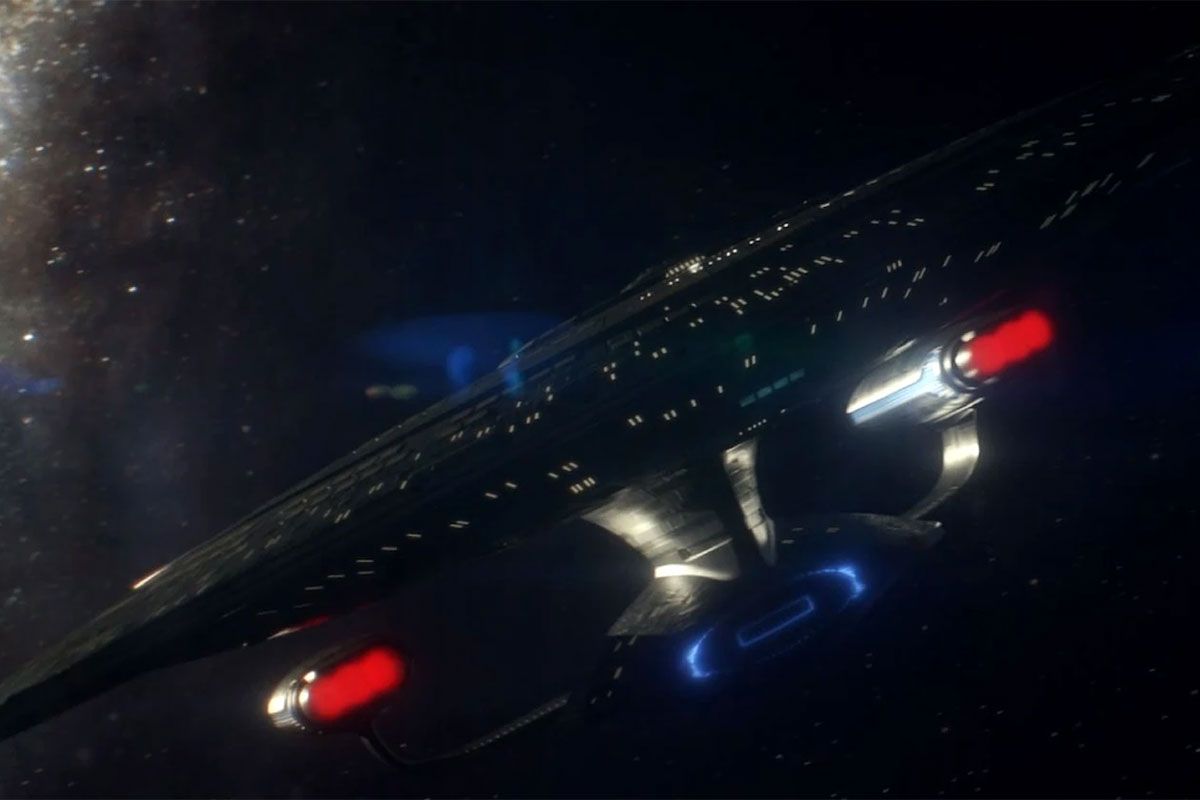
The future of the Star Trek universe is getting an exciting creative hand. Filmmakers Jonathan Goldstein and John Francis Daley, best known for delivering sharp comedy in films like Game Night and blockbuster adventure Dungeons & Dragons: Honor Among Thieves, are reportedly set to take the helm of the next major chapter in the Star Trek franchise.
Their pedigree is well-established. Goldstein and Daley have already demonstrated their talent for storytelling, having penned the script for the first Spider-Man: Homecoming and brought comedic timing to acclaimed projects. Now, they are poised to inject a fresh perspective into the iconic science fiction setting of Star Trek.
When this news first surfaced last November, anticipation was high. It was suggested that their next project would be a completely new take on the Star Trek universe, deliberately detached from any previous television series, movie, or development projects within the franchise. This promise of creative reinvention immediately signaled that fans could expect something entirely fresh.
At a recent appearance at San Diego Comic-Con, Goldstein and Daley offered a glimpse behind the curtain, confirming that the project is actively underway and fueling excitement among those watching the developments. “We’re very excited about it,” Daley shared, indicating a collaborative spirit driving the production forward.
Goldstein elaborated on the vision, emphasizing the need for evolution within the established lore. “It won’t be the characters that you’ve seen previously in your Star Trek movies,” he noted. “So there will be a new take on that. And I think it’ll probably be a little further into the future than we’ve been before. What draws us to it is the opportunity to do a different spin.”
This focus on temporal expansion naturally leads to the big question: how far into the future will this new adventure take us? The Star Trek timeline, spanning eras like TNG through the DS9 and Voyager episodes, established a setting in the late 24th century. With key events like The Burn—which devastated the galaxy—occurring in 3069, this new cinematic direction appears set sometime after the Picard era but before that cataclysm.
While the focus is on a new cinematic vision, the existing television landscape for Star Trek remains active. Both Star Trek: Strange New Worlds and Starfleet Academy are currently in production, with both series scheduled to conclude in 2027. These shows represent the most recent live-action entries into the franchise, following the theatrical release of Star Trek Beyond in 2016.
Buy on Amazon
Credit