Susan Sarandon faces hiring bans over Palestine support
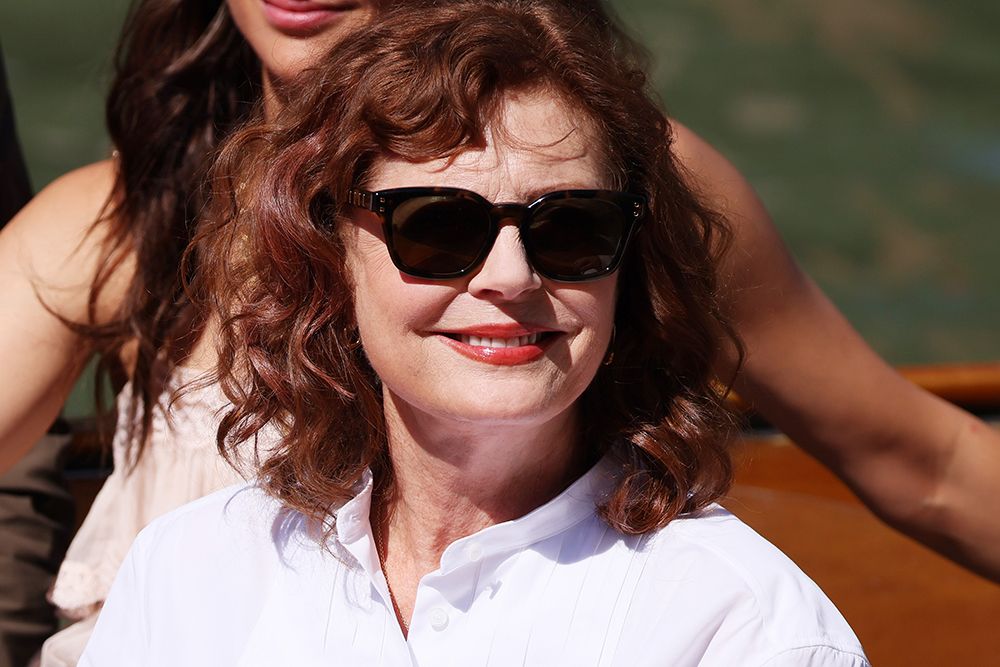
The glamour of the Venice Film Festival stage often masks deeper, more urgent conversations. Amidst the dazzling lights and cinematic prestige, a far more serious subject frequently emerges: the intersection of art, politics, and public conscience. This tension was acutely felt by actress Susan Sarandon recently, as she addressed the evolving landscape of Hollywood concerning the conflict in Gaza.
Speaking at the festival press conference for her new film, The Echo Chamber, Sarandon was asked a pivotal question about the shifting narratives within the film industry. She was asked whether she believed the storytelling in Hollywood is fundamentally changing when it comes to the realities of the conflict in Gaza.
Sarandon offered a poignant reflection on the current climate, hinting at a sense of recent artistic suppression. She commented that she feels that there has been a recent curtailing of artistic freedom, stating that she has “still had movies taken away recently” due to her outspoken support for Palestine.
This statement touches upon a wider debate: the power dynamics between filmmakers, political sensitivities, and the global stage. It raises profound questions about whether artistic expression is being policed, and how the cinematic narrative is being shaped by geopolitical events.
The conversation surrounding the portrayal of global conflicts in mainstream media is constantly evolving. As audiences demand more nuanced and truthful storytelling, the expectations placed on Hollywood creators are growing. Sarandon’s experience underscores the delicate balance many artists navigate when tackling highly charged political themes in a globalized environment.
Her remarks serve as a powerful reminder that behind the cinematic spectacle, there are deeply felt concerns about freedom of expression and the responsibility of artists to reflect the world around them.
Buy on Amazon
Credit
