The best sci-fi TV show began 33 years ago
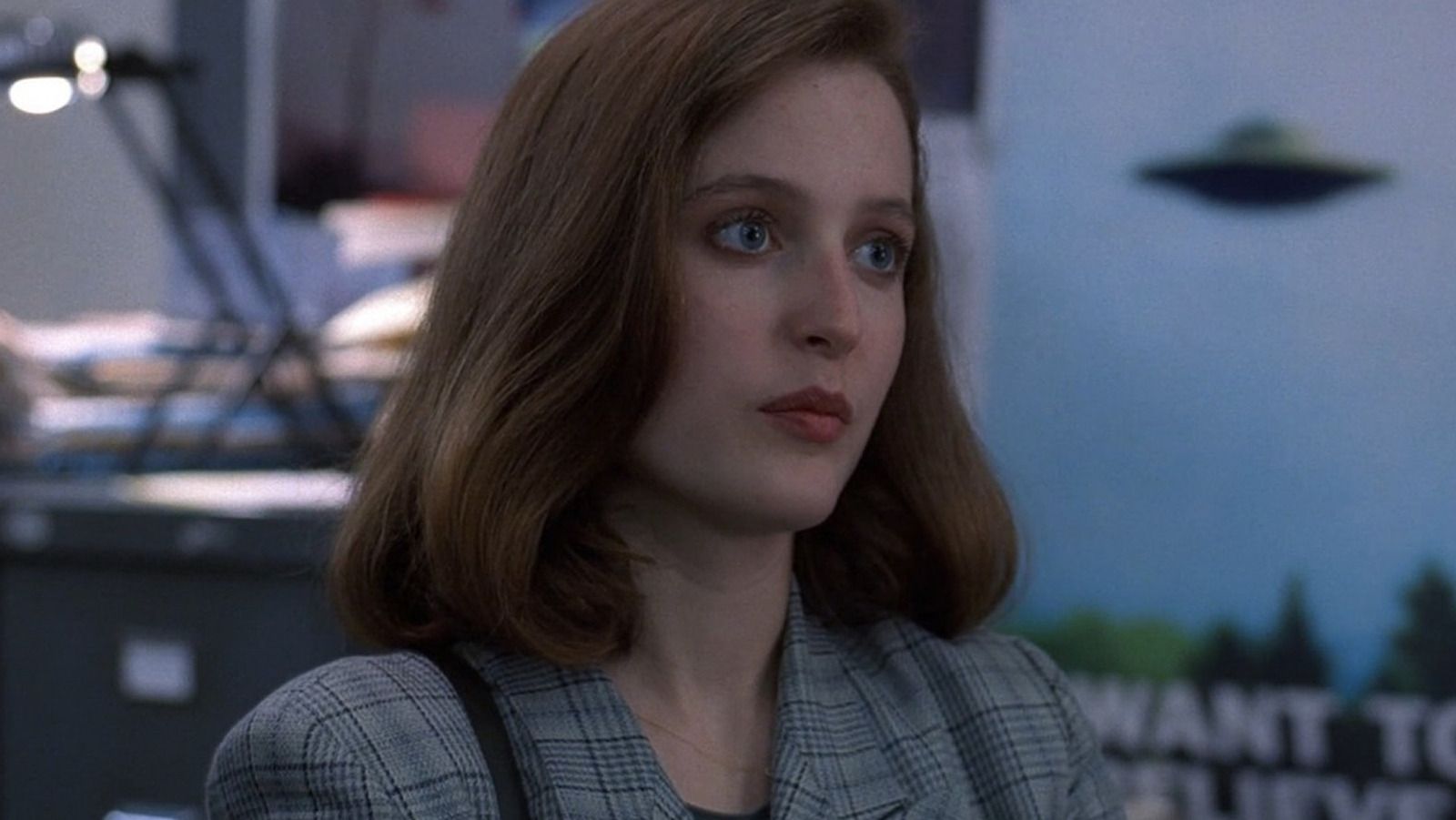
Thirty-three years ago today marks a landmark moment in television history, not just for a simple premiere, but for introducing one of the most enduring and complex cultural phenomena of the modern age: The X-Files.
When the first episode aired, it did more than just introduce a new show; it introduced two figures who would redefine the landscape of speculative storytelling. These were FBI Agents Fox Mulder and Dana Scully, a pairing instantly etched into the collective memory of millions.
Mulder, the passionate believer, and Scully, the skeptical scientist, represented the fundamental tension at the heart of the series. Their dynamic—the clash between faith and fact, the search for the hidden truth amidst shadowy conspiracies—provided viewers with a compelling reason to tune in week after week.
The premise of The X-Files tapped into a deep-seated human fascination with the unknown, exploring themes of government secrecy, paranormal phenomena, and the uncomfortable reality that what we believe to be true might be entirely fabricated. It transformed television from mere entertainment into a vehicle for profound philosophical and investigative inquiry.
The show became a cultural touchstone, sparking endless debate and speculation long after the credits rolled. It solidified the concept of the ‘monster’—not just a creature to be fought, but a systemic, often insidious force that operated just beneath the surface of reality.
The enduring appeal of The X-Files lies in its refusal to offer easy answers. It encouraged audiences to look beyond the obvious, to question authority, and to embrace the unsettling possibility that the deepest mysteries often hide within the shadows of the known world.
Buy on Amazon
Credit
