The Ring Is Sexist Lanterns Producer
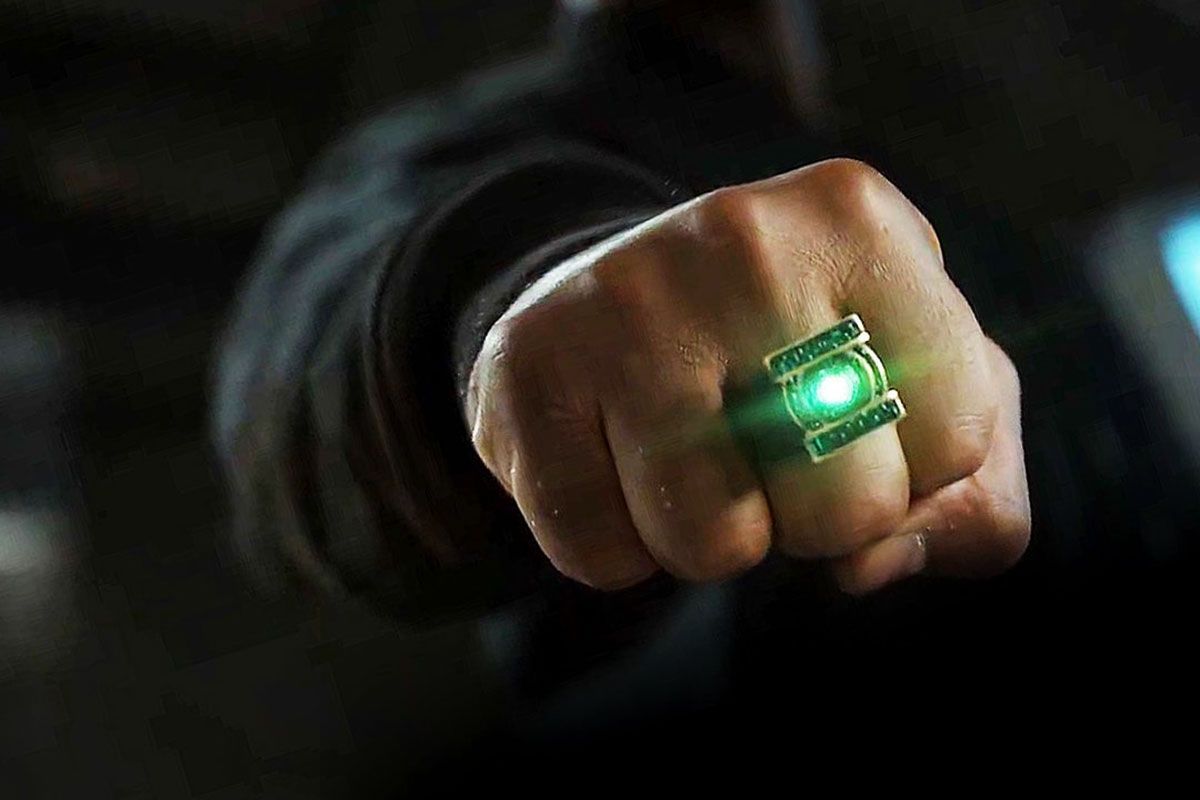
The shimmering world of superhero lore often comes with sharp edges, but sometimes, the sharpest edges are found in the creative choices made behind the scenes. In the world of HBO’s “Lanterns” series, producers and writers have been navigating complex debates about gender and power, and recently, a candid conversation about the very structure of the Green Lantern mythology brought these tensions to the forefront.
One of the key revelations came from writer and co-executive producer Vanessa Baden Kelly, who recently addressed the series and the concept of the power rings in an interview with Collider. She spoke openly about the creative process, noting how invaluable the presence of comic writers like Tom King was in ensuring the narrative honored the source material while offering a fresh, human perspective.
This openness led to a particularly illuminating discussion about the character dynamics. Kelly revealed that a central point of contention surrounded the power rings themselves, prompting a deeper look into whether the framework of the story was inclusive.
The conversation took a surprisingly poignant turn when discussing a specific moment in the lore. Kelly explained the dilemma surrounding the power ring’s selection, noting how the narrative seemingly overlooked a character despite their strength. She questioned why the ring chose John Stewart Sr. over Bernadette, the mother of John Jr., emphasizing that if the ring were not viewed through a sexist lens, a different outcome might have occurred.
She articulated a powerful argument about the difference between willpower and fear in character motivation. In her view, the ring’s choice suggested a flawed understanding of who was being asked for, implying that the selection process prioritized those “dumb enough to not be scared” rather than those demonstrating true bravery. It was a reflection on how narratives construct heroism and power.
These comments sparked significant discussion across social media, drawing attention not only to the show’s unfolding story but also to the underlying thematic questions about gender representation within the superhero genre.
While the ongoing creative debates continue, the series remains a compelling watch. With five episodes still remaining, viewers are encouraged to wait for the full story unfold before jumping to conclusions. Despite the creative friction, the series has maintained strong performance, with the third episode achieving impressive viewership numbers and demonstrating week-to-week growth.
Buy on Amazon
Credit
