Tom Cruise confident in Paramount
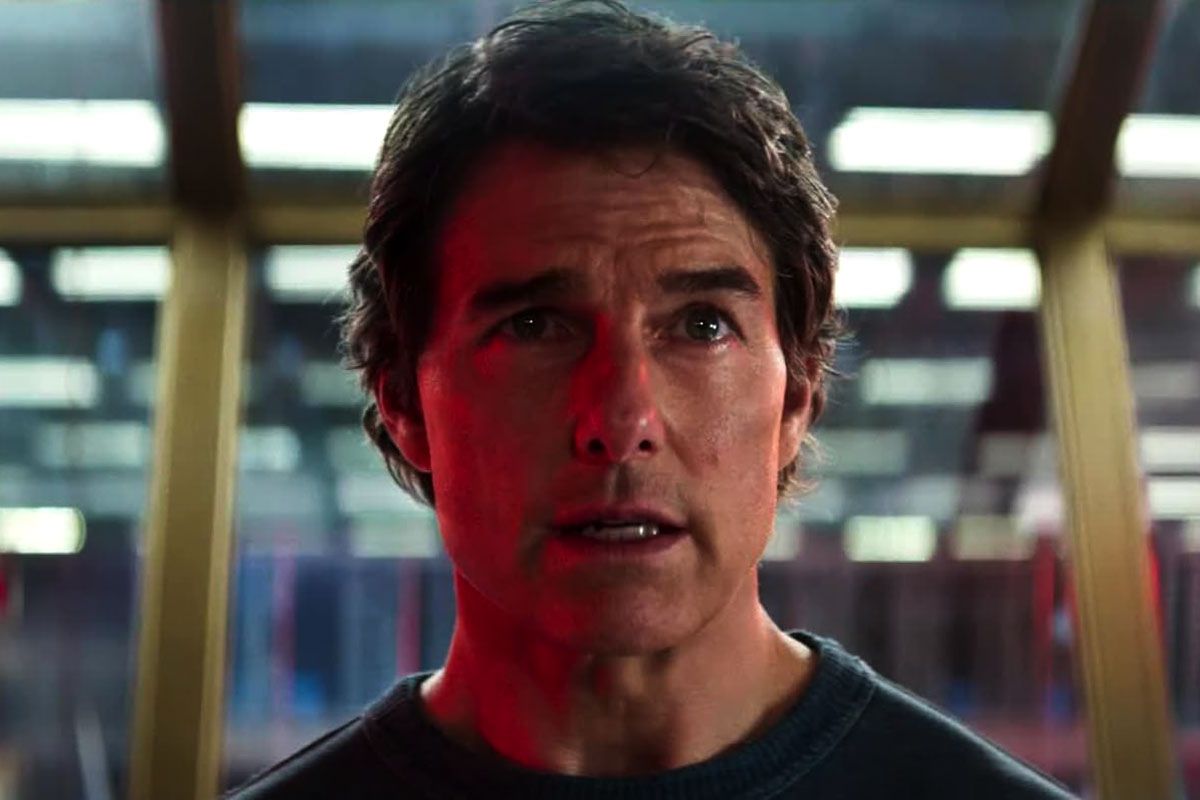
Hollywood is buzzing with shifting promises and industry expectations, and at the center of this conversation is the future of cinematic output. Actor and producer Tom Cruise recently expressed strong confidence in Paramount Pictures‘ ability to deliver a robust slate of films, provided the studio moves forward with its major corporate merger.
The optimism stems from a long-standing pledge: the aim of producing 30 theatrical release movies annually. This target, Cruise suggests, isn’t merely a business metric; it represents a vision for the creative ecosystem.
Speaking recently, Cruise discussed this pledge with Pat McAfee, touching on upcoming projects like the sequel to Days of Thunder production. While the business negotiations surrounding the studio deal continue, Cruise focused less on the ledger and more on the broader opportunity for artists.
He framed the discussion around the idea that the industry needs to cultivate an abundance of opportunities to ensure that film production remains vibrant and sustainable. For Cruise, the focus must shift from a singular studio output to a collaborative community.
“I think it’s awesome. You know, here’s the thing: they’re going to deliver 30 movies. It’s a community to me. It’s not an industry. The people in these studios are not just people in the studios, they’re my family. I know we’re going to get those 30 movies. I want us all to come together as a community to make help those 30 movies.”
Cruise argued that the goal should be about empowering every creative talent, ensuring that writers, directors, producers, and all artists have the opportunity to develop their work. He believes that success in film is rooted in creating a chain reaction: “Production begets production.”
This philosophy extends beyond the studio walls. It is an appeal for an environment where every talented person has the chance to learn, grow, and make their mark, ensuring that the pipeline of great storytelling is constantly flowing.
The weight of this ambition highlights the complex intersection of corporate finance and creative freedom currently shaping the entertainment landscape. As the industry navigates significant financial maneuvers, the conversation remains focused on what truly drives the magic—the collective will of the artists themselves.
Buy on Amazon
Credit