Tom Selleck on ‘Blue Bloods’ Cancellation and Cast Pay Cuts nobody wanted to leave
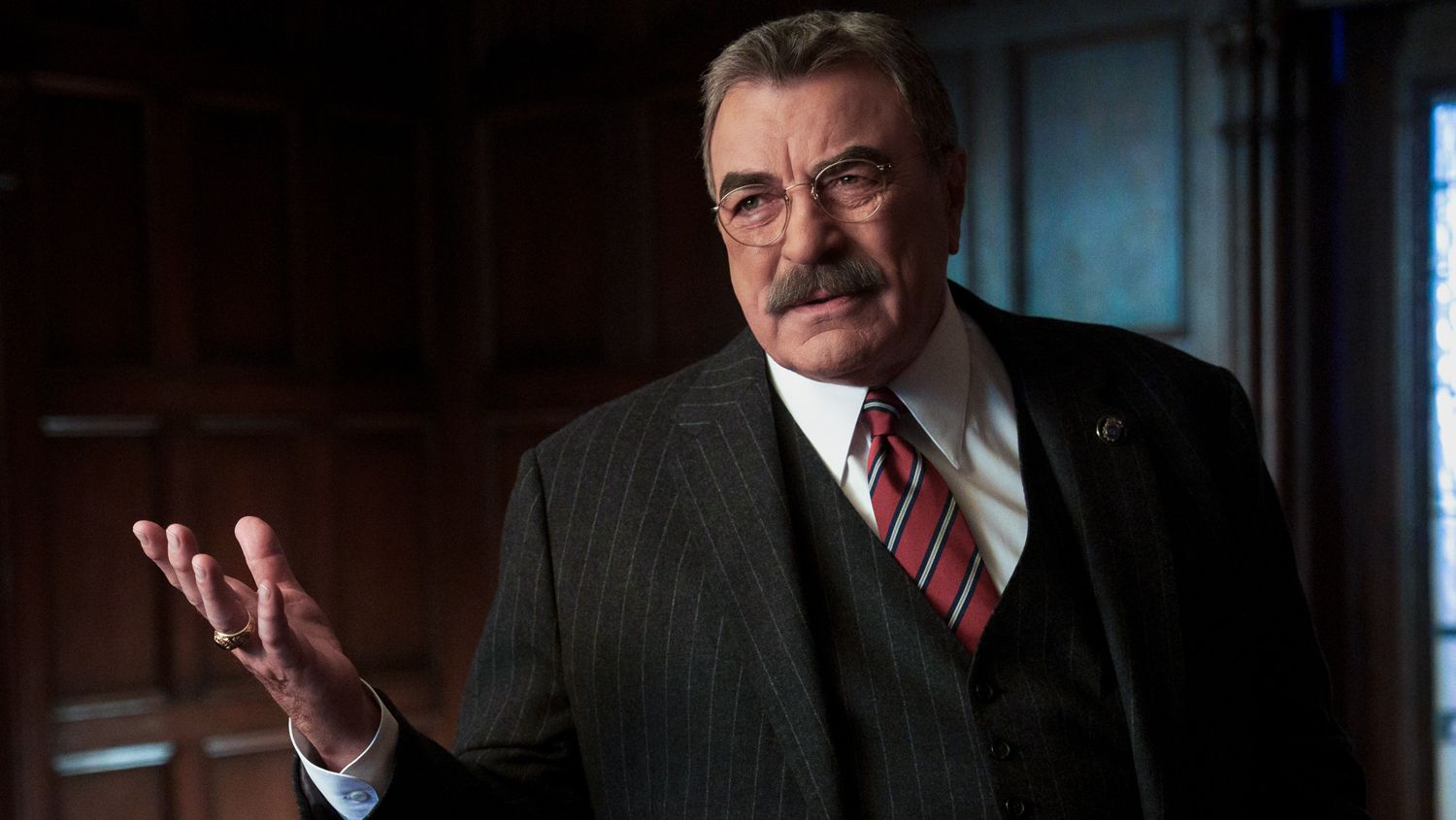
The drama surrounding the cancellation of a beloved procedural often leaves behind more than just empty airwaves; it leaves behind a reckoning over creative decisions and contractual realities. For some stars, the final curtain call of a long-running series becomes a point of lingering frustration, especially when the backdrop involves significant financial shifts negotiated behind closed doors.
Tom Selleck, a Golden Globe winner known for his iconic roles, recently voiced this sentiment regarding the fate of Blue Bloods. Nearly two years after the show ended its run, the feeling remains palpable among those involved, prompting reflection on how long-term creative endeavors are valued—or undervalued—in the competitive television landscape.
The story of Blue Bloods itself is a substantial one, spanning fourteen seasons and running from 2010 through 2024. This extended run cemented its place in television history, but sustaining such a massive project inevitably introduced complex financial negotiations for those who made it a reality.
In an attempt to keep the procedural airing past its final season, the cast faced significant economic adjustments. To extend the show’s lifespan, the actors agreed to a 25% pay cut. This move highlights the often-stark trade-offs required when balancing artistic longevity with commercial viability in modern television production.
For many creative forces, navigating these high-stakes scenarios is less about storytelling and more about sustaining a business model that prizes continuous output over equitable compensation. The episode underscores the tension between creative vision and fiscal responsibility within the entertainment industry.
Buy on Amazon
Credit